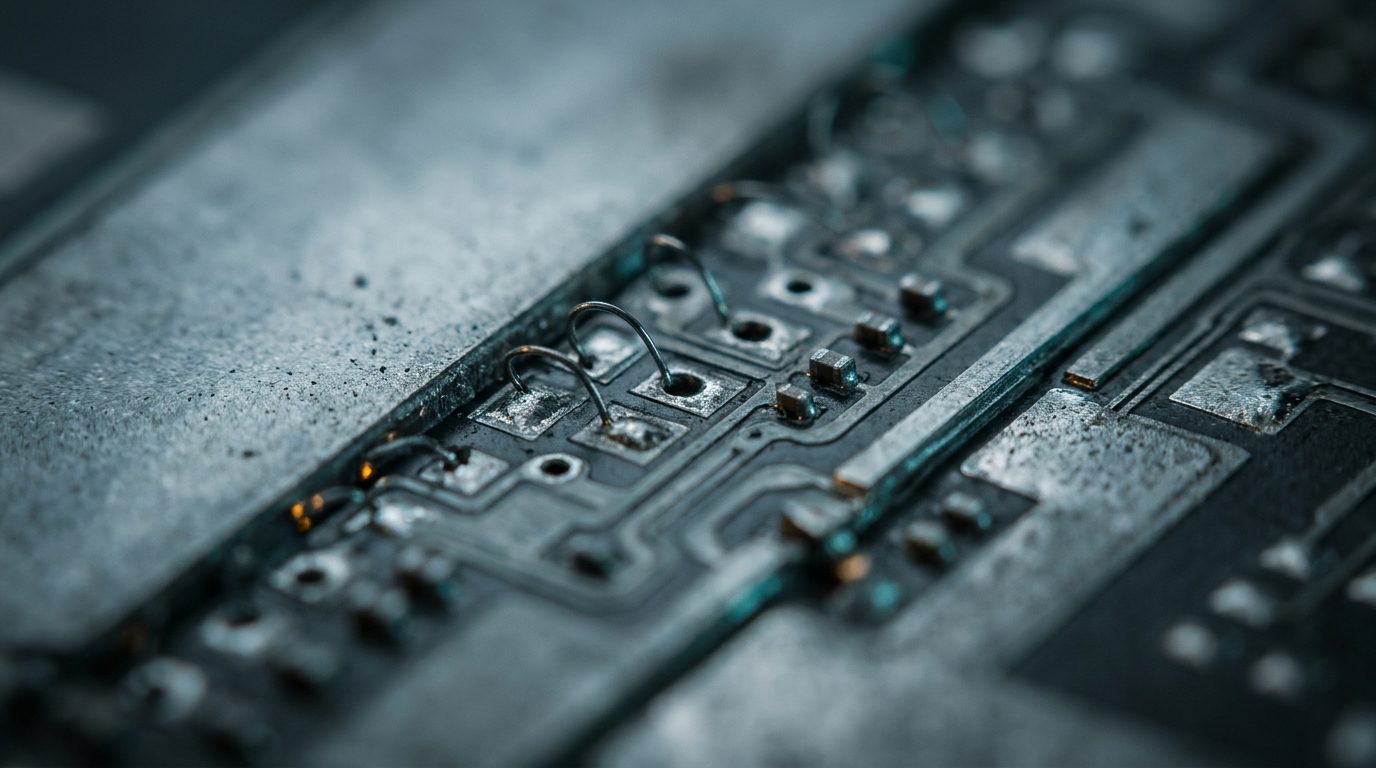
Engineering workflows that once required dedicated CAD teams are shifting into automated model runs: since February, model usage across OpenAI's hardware teams, measured in tokens, has grown 23-fold as systems take on physical design tasks.
OpenAI is now sharing advances in how its models help engineers design, simulate, and build physical products. The push moves generative systems beyond administrative and software tasks directly into mechanical engineering, electrical routing, and manufacturing preparation, changing the cost structure of early-stage prototyping.
The strategic question facing hardware leaders is whether autonomous systems can independently deliver production-ready devices or if physical manufacturing constraints will keep human engineering oversight mandatory. OpenAI's internal hardware and infrastructure teams already rely on Codex and ChatGPT across robotics and compute infrastructure to create and revise computer-aided design models, prepare manufacturing drawings, set up simulations, and review designs.
The Autonomous Prototype Test
To evaluate end-to-end autonomy, OpenAI tested Astra's multimodal and computer use capabilities by attempting to create a physical device without any direct human edits. Using GPT-6, the team defined functional requirements and generated the enclosure, printed circuit board, and software integrations for a standalone device allowing users to talk to Codex. Two team members designed the test device with Astra in under a week as a side project, cutting the traditional preliminary design timeline.
"Astra did not consistently account for the manufacturer’s production limits, tolerances, or details required for assembly."
Contract manufacturing validated the initial speed of the digital workflow, delivering a small batch of physical prototypes in under a month. However, translating the generative output into viable hardware revealed operational friction. Getting the device ready for production required several rounds of review and iteration because the model overlooked fundamental assembly requirements and fabrication tolerances, converting projected labor savings into iterative review costs.
Benchmarks and Industrial Pilots
To address these structural gaps, OpenAI is benchmarking reasoning on tasks that merge software with physical engineering principles. On BenchCAD 2.0, which evaluates whether models can reconstruct 3D parts and assemblies and identify connections in circuit boards, a newer internal model achieved an average score of 0.875, compared with 0.594 for GPT-6 Astra at its highest reasoning setting.
"We view improvements in capability here as early evidence of the ability of AI models to positively impact iteration speed for professional workflows."
OpenAI is testing these capabilities against field requirements through external industry partnerships. The company is expanding its collaboration with Chip Ganassi Racing, where R&D engineers convert 3D scans of existing parts into editable CAD models and 2D manufacturing drawings when original design files are missing, reviewing outputs for accuracy and manufacturability. Simultaneously, OpenAI announced a new research collaboration with Mazda, pairing research and Forward Deployed Engineering teams with aerodynamics and crash-safety specialists to evaluate vehicle designs through airflow and structural simulations.
An autonomous model can design a functioning circuit board and enclosure in days, but physical assembly still requires human engineers to correct basic manufacturing tolerances before the factory floor can run, setting a firm boundary on current operational autonomy.
Against the field
Hardware prototyping once demanded weeks of manual labor from dedicated CAD teams, but now two engineers can design a complete device using the Astra model in under a week. According to OpenAI, token consumption across its hardware divisions surged 23-fold since February as models took over drafting and circuit board layouts. Generating a functional digital design took only days, yet turning it into physical hardware still required engineers to fix the model's basic manufacturing blind spots.