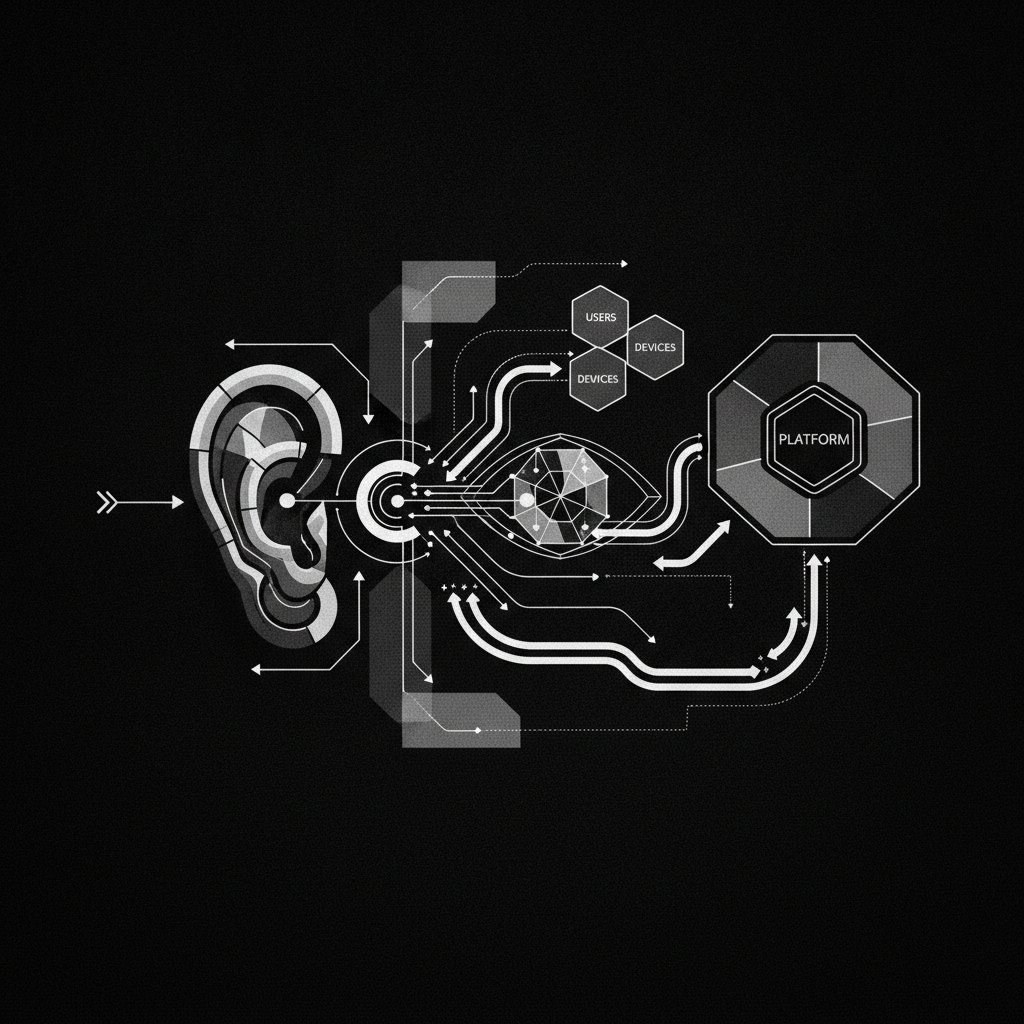
OpenAI is officially ending the era of "textual crutches," transforming ChatGPT from an advanced chatbot into a multimodal operator of reality. The latest update for Plus and Enterprise users is more than just "another feature"; it is a fundamental redesign of input-output logic for corporate AI. According to Sam Altman’s team, the system now applies linguistic reasoning directly to photos, screenshots, and live video streams, effectively pushing the context window beyond the keyboard and into the physical world.
For business, this represents the long-awaited collapse of barriers in field operations and customer service.
Under OpenAI’s vision, there is no longer a need to painstakingly describe why a grill won't start or which of a thousand wires in a server room is sparking. You simply point your smartphone camera, circle the problem in the app, and get a solution. By integrating the Whisper speech recognition system and a new speech synthesis model, AI interaction becomes a seamless dialogue where humans no longer need to act as "translators" between reality and search queries.
In our view, OpenAI is aiming for the heart of traditional SaaS solutions that have survived for years on manual data entry. Here is why this is critical for the market:
When an algorithm can analyze warehouse inventory or technical components from a photo, the competitive edge shifts to those who can instantly ingest real-world context. This marks a fundamental transition to "System 2" interfaces: your employees and customers will no longer fill out forms—a camera lens and a microphone will suffice. Traditional software that forces users to click buttons and type reports risks becoming a digital antique.