OpenAI has officially launched Sora 2, a video-audio system that the company describes as its 'GPT-3.5 moment' for the visual domain. If the first iteration was a hallucinating artist, this version is an aspiring engineer. The focus has moved from simple object permanence to rigorous physical accuracy and controllability. The model now handles complex dynamics like buoyancy and rigidity with noticeable intent—demonstrated through backflips on paddleboards and gymnastics routines where the limbs actually follow the laws of anatomy and gravity.
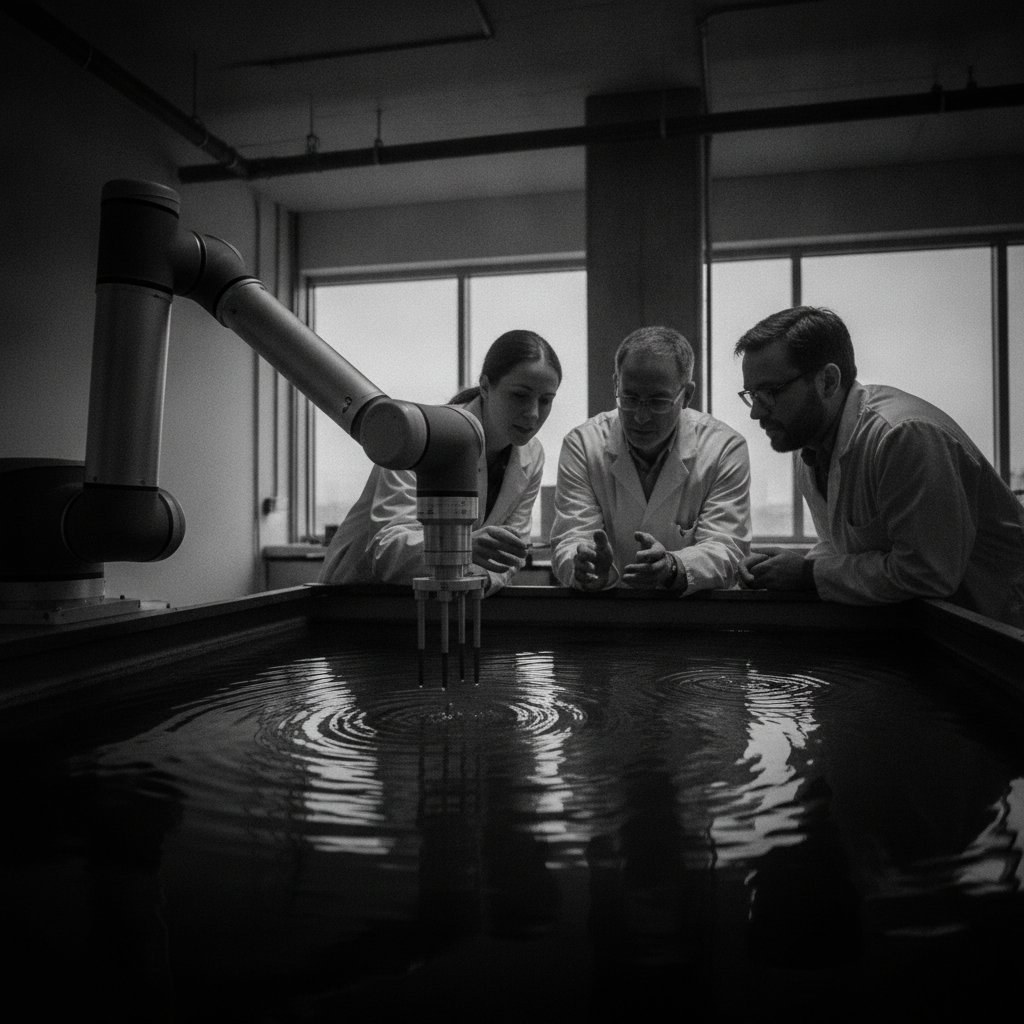
According to OpenAI, Sora 2 is designed to obey physics consistently: a missed basketball shot now rebounds off the backboard as expected, rather than 'teleporting' or morphing into a bunch of pixels. This isn't just about making better movies; it’s a pivot toward building a world simulator. By modeling failure and success with high fidelity, OpenAI is effectively creating a sandbox for training autonomous systems and robotics. The inclusion of synchronized dialogue and sound effects further signals that we are moving past the 'silent film' infancy of video pre-training into an era where AI deeply understands the multisensory reality of the physical world.
However, the release timeline contains a glaring anomaly that suggests either an experimental pivot or a paranoid risk-containment strategy. While the model launched on September 30, 2025, OpenAI claims the product will be sunset by April 26, 2026. This seven-month operational window is far too brief for a standard commercial product, hinting that Sora 2 might be a high-stakes stress test or a data-gathering exercise for a much larger architectural shift.
For technical leads, the takeaway is clear: the era of 'pretty but useless' generative video is over. As neural networks begin to function as reliable proxies for the physical world, the focus shifts to the industrial utility of these world models. We are no longer just looking at pixels; we are watching AI learn the rules of the universe it is destined to operate in.