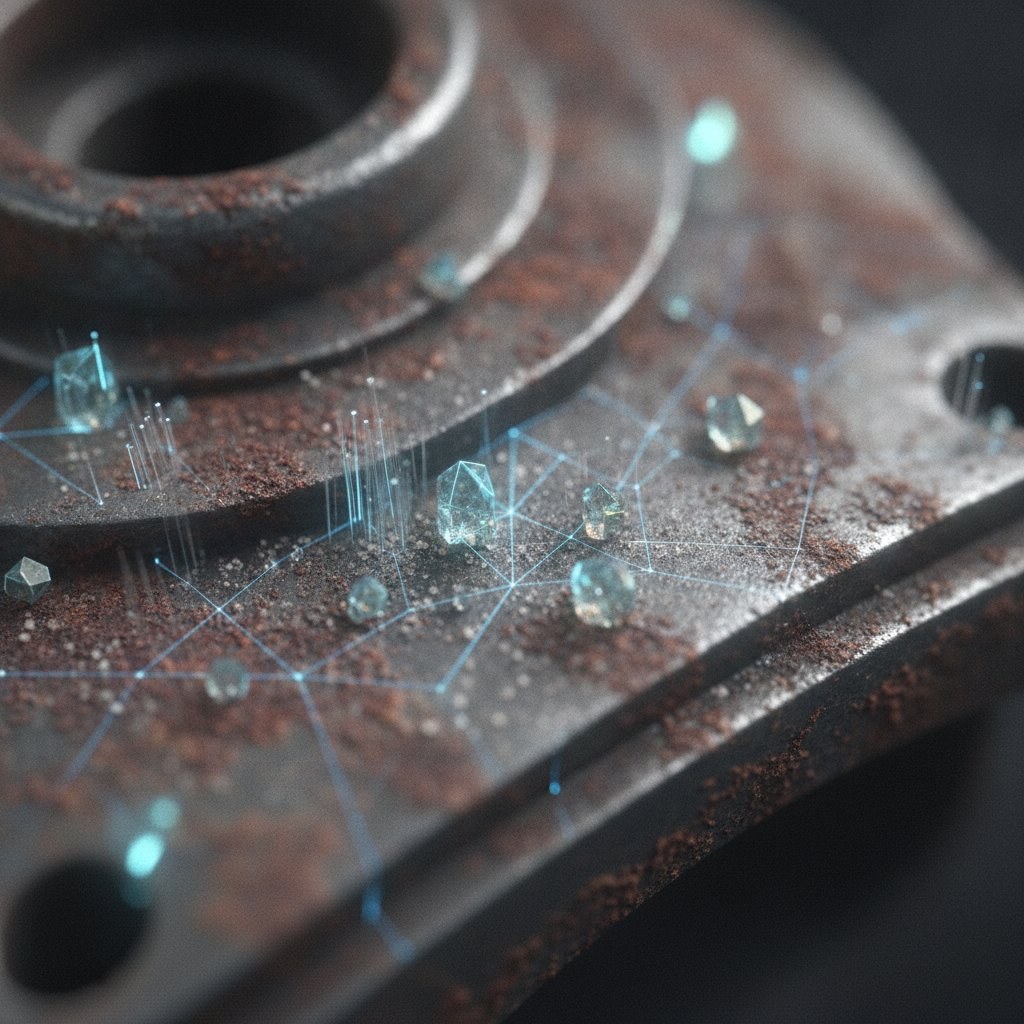
From Visuals to Physics: The New AI Frontier
The industry has decisively shifted its focus from generating pretty pictures to an ambitious new goal: creating universal simulators of the physical world. As reports from the OpenAI team indicate, the development of Sora is more than just another video editing tool; it represents a transition to generative models capable of maintaining context and consistency across dynamic 60-second clips. While casual observers marvel at the realistic texture of cat fur, CTOs and architects see the bigger picture: Sora is a physics engine built on Transformer architecture that operates through spacetime patches.
The Architecture of Spacetime Patches
Developers have moved away from the primitive approach of resizing or cropping video to fit rigid model constraints. Instead, they utilize a method of visual data unification. Just as Large Language Models operate with tokens for text and code, Sora applies patches to process any visual content. The process begins with a video compression network that maps raw data into a lower-dimensional latent space, which is then decomposed into a sequence of spacetime patches.
Sora is a diffusion transformer that operates on patches of latent video and image codes, allowing it to train on data at its native resolution.
This architectural choice gives Sora a distinct advantage in composition and framing. According to researchers, training on original resolutions allows the model to better grasp frame geometry. For businesses, this opens doors for flexible prototyping: you can generate low-quality drafts and then scale them to a final render using the same model. Scaling here is linear: more compute equals higher physical accuracy, outlining a clear path toward complex simulations.
From Pixels to World Simulators
Sora's strategic trajectory goes far beyond disrupting the business models of stock video hubs and production studios. The model's ability to generate a full minute of video provides the foundation for "sandboxes" where autonomous agents and robotics can be trained. If an agent can understand physics within a simulation, transferring it to the real world becomes cheaper and safer. However, the technology is not yet a perfect mirror of reality. Hallucinations persist: the model may confuse cause and effect—such as a glass breaking without spilling its contents—or ignore gravity in complex scenes.
Sora vividly demonstrates that scaling video models is a matter of physical logic rather than aesthetics. By unifying visual data into a system of patterns, the neural network becomes a true world simulator. For executives, the signal is clear: priorities are shifting from simple content cost-cutting to building infrastructure for AI that understands the constraints of physical space. We are entering an era where computing power is spent not on drawing frames, but on calculating the authenticity of digital existence.