AI · This text was generated with artificial intelligence
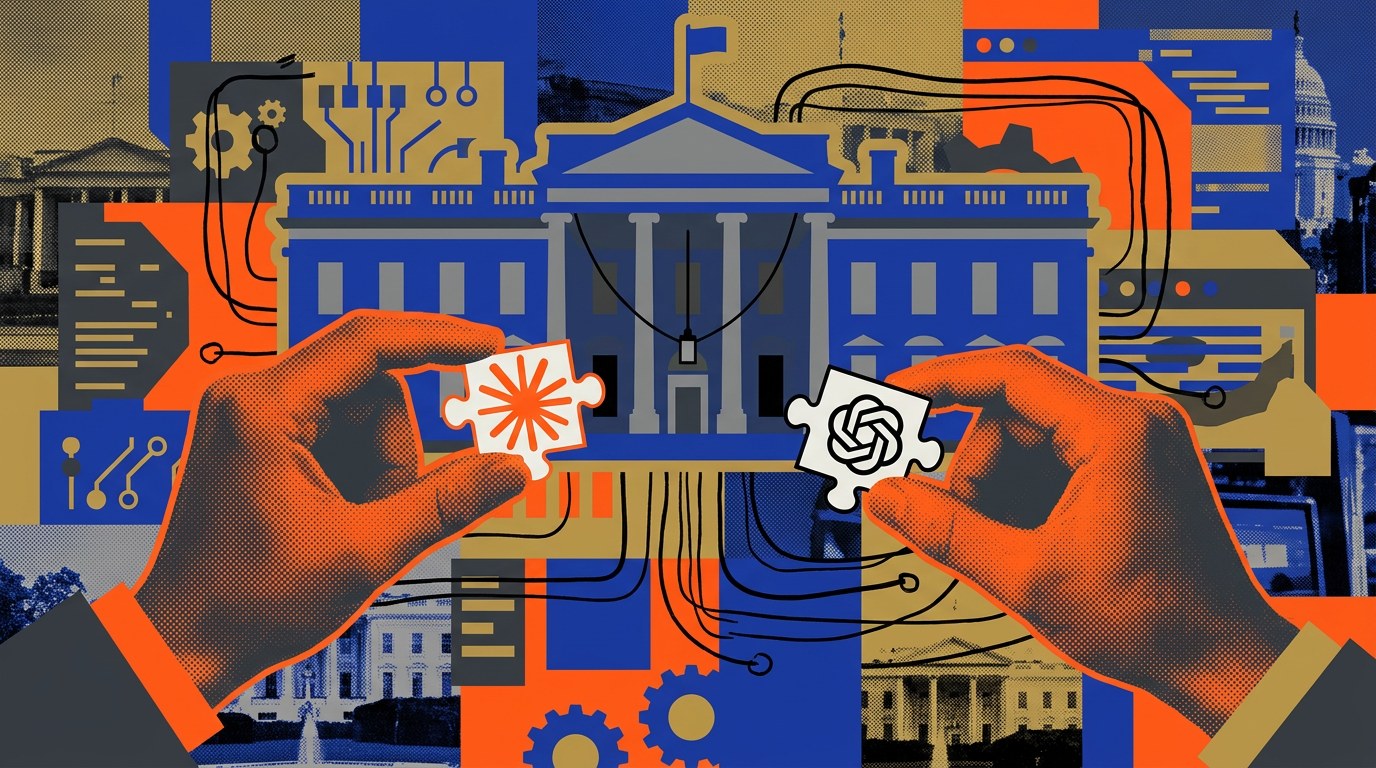
OpenAI and the Trump administration are playing a high-stakes game of profit nationalization. Sam Altman, whose talent for pivoting mid-air deserves its own performance benchmark, is pushing the concept of a "Public Wealth Fund." On paper, it looks like digital communism: AI revenues flowing directly into citizens' pockets. In reality, Altman is trying to buy "national champion" status and lifetime immunity from antitrust lawsuits ahead of an IPO.
The State as Shareholder and Shield
When a company is valued at $850 billion yet remains deeply unprofitable, it needs more than just an investor—it needs a protector. Senator Bernie Sanders has already confirmed he is discussing the "American A.I. Sovereign Wealth Fund Act" with Altman. The plan sounds radical: a 50% tax on the shares of the industry's biggest players in exchange for board seats and voting rights for government officials. This is no longer mere regulation; it is direct state equity participation that would permanently bury the platform's corporate neutrality.
Donald Trump is already signaling interest, stating that the public could "essentially become a partner," and promising to fast-track negotiations in the very near future.
For Altman, this alliance is the ultimate political shield. The Trump administration gains a lever to control a strategic industry while bypassing a gridlocked Congress, reviving the spirit of state capitalism seen during the heydays of Intel and IBM. We are witnessing the birth of a monster that will be "too big to fail." In the event of an OpenAI collapse, taxpayers would automatically become the sponsors of a bailout, echoing the 2008 banking crisis.
The National Champion Trap
Despite upbeat revenue reports, OpenAI and Anthropic continue to burn cash at an industrial scale. By becoming a co-owner, the US government turns itself into a hostage: any market failure for OpenAI becomes a political defeat for the White House. Altman is already aggressively lobbying for grants and loan guarantees, effectively demanding subsidies for his business model. This is particularly ironic given his late-2025 rhetoric that the market should punish failure.
Having the state on the cap table marks the end of the free market in AI. Instead of a competition of algorithms, we risk a lobbying race where the winner is predetermined by their status as a state asset. If the Sanders-Altman plan succeeds, OpenAI will cease to be a tech company and transform into a Ministry of Intelligence—accountable not to its users, but to the current administration.