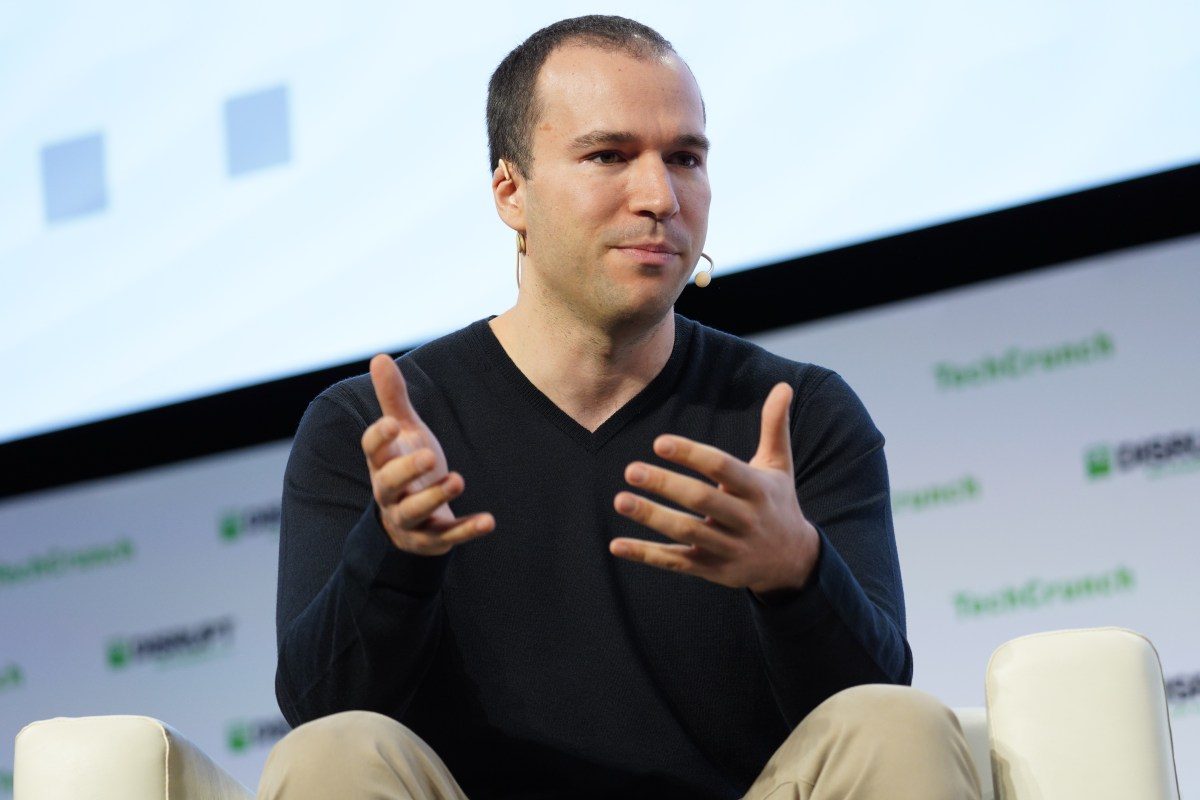
OpenAI co-founder and president Greg Brockman announced that the company would be ready for an initial public offering in 2027. Speaking at a Wall Street Journal tech conference on Wednesday, the executive addressed whether the business could handle public markets next year.
“I think so. Yes.”
When asked directly about being IPO-ready next year, Brockman offered that response, signaling a transition toward public scrutiny. The financial logic remains straightforward: expanding capital requirements for infrastructure demand sustainable revenue streams, which OpenAI now secures through enterprise contracts rather than consumer subscriptions alone. As Brockman confirmed, managing this financial trajectory requires defending market share against entrenched competitors like Anthropic.
Shifting Revenue Streams
OpenAI achieved this operational turnaround after surviving a difficult start to 2026. Greg Brockman detailed how the company's trajectory as an enterprise changed over the course of 2026, noting that the first and second quarters were difficult periods. OpenAI was not even part of the discussion in agentic coding, a domain where Anthropic’s Claude Code had already gained market share. Brockman acknowledged that OpenAI had Codex, but commercial adoption lagged behind at the time.
“A year ago, we weren’t even really in the enterprise game, right? We were really perceived as a consumer company,” Brockman said.
By the third quarter of 2026, commercial activity picked up, producing a 70% quarterly increase in annualized revenue. Brockman attributed this acceleration directly to the enterprise side of the business doubling over the period.
The Enterprise Pivot
The composition of OpenAI's cash flow has transformed significantly over the past year. The majority of OpenAI’s revenue now originates from corporate clients, whereas the enterprise segment previously generated approximately 30% of total revenue. Brockman cited a recent enterprise contract with JPMorgan Chase to illustrate the large-scale clients the company is winning. Competing effectively required demonstrating long-term reliability and helping corporate clients identify key deployment milestones.
Public market investors prioritize repeatable enterprise contracts over volatile consumer adoption. Surviving an IPO in 2027 requires OpenAI to defend its corporate market share against Anthropic and turn rapid quarter-over-quarter revenue growth into a durable balance sheet.
Against the field
The startup entirely missed the agentic coding wave in early 2026, yet accelerated its annualized revenue by 70% in the third quarter. While in early June the company used share sales at $687.69 to keep talent, the strategy has now pivoted entirely toward pleasing Wall Street balance sheets. Going public will test whether this explosive B2B turnaround represents durable enterprise reliance rather than a defensive sprint against Anthropic.
Our stories: OpenAI vs Anthropic IPO: Why Sam Altman is Hesitating (June 11).