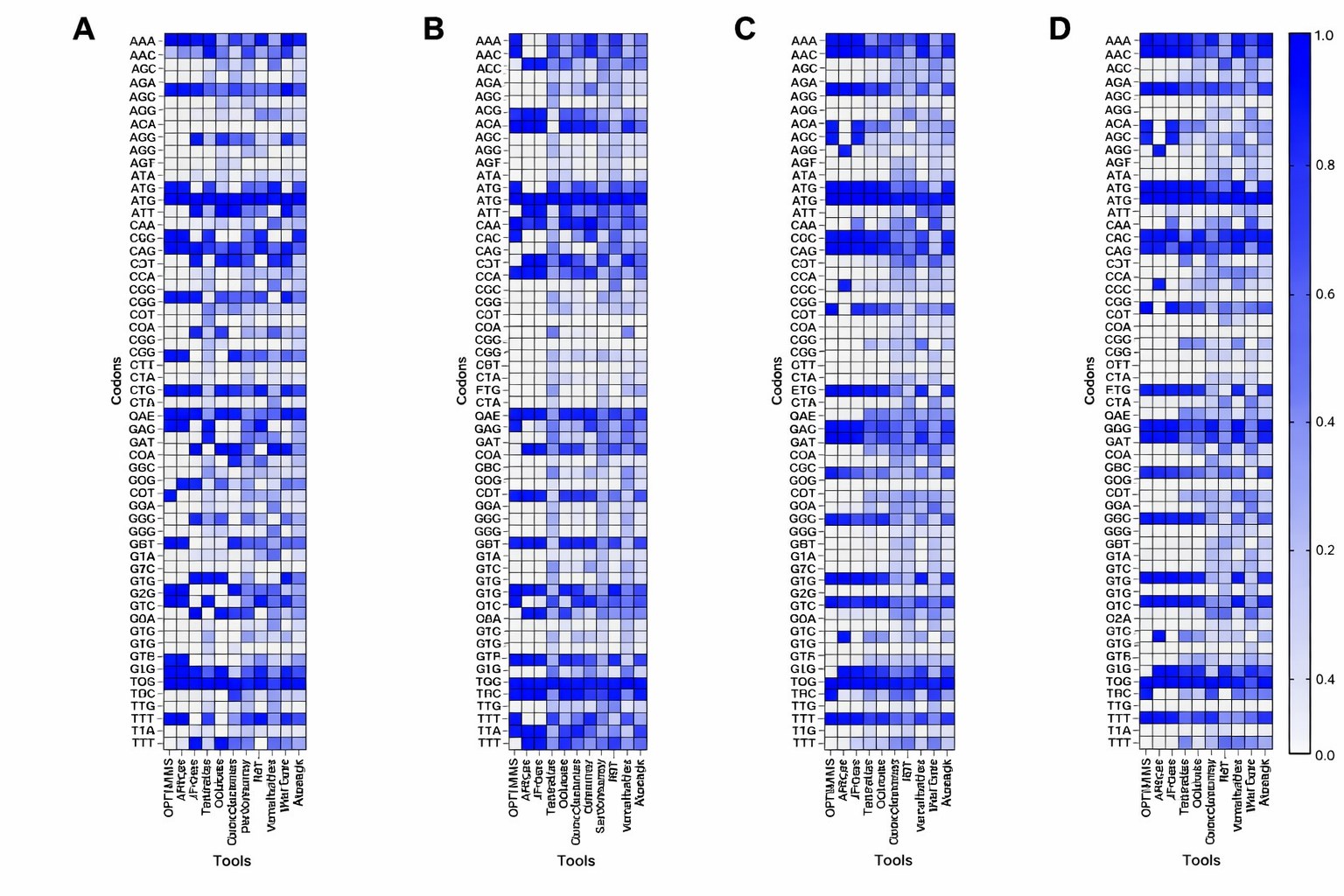
OpenMed has launched an AI pipeline that transforms therapeutic protein concepts into DNA sequences ready for production. The entire cycle, from predicting 3D structures and designing amino acids to optimizing codons for expression in a specific organism, is completed in a single business day. While the process is detailed on the HuggingFace blog, the primary innovation lies in its cost-effectiveness.
Training the models on data from 25 animal species cost a mere $165. Developing four production models required 55 GPU hours. The CodonRoBERTa-large-v2 model achieved a perplexity score of 4.10 and a Spearman CAI correlation of 0.40, outperforming competitors. This level of affordability in advanced research is unprecedented.
This development contrasts sharply with large corporations that possess substantial budgets. Now, startups with limited funding can develop competitive bioengineering solutions. The transparency of publications and open-source code enable rapid adaptation and scaling of existing advancements. This represents a democratization of scientific progress.
The emergence of such affordable AI tools in bioengineering directly lowers the barrier to entry. Accelerated development of therapeutic proteins and personalized medicine is no longer a distant prospect but an imminent reality. The healthcare sector is preparing for widespread innovation, and smaller players now have a clear path forward.