AI · This text was generated with artificial intelligence
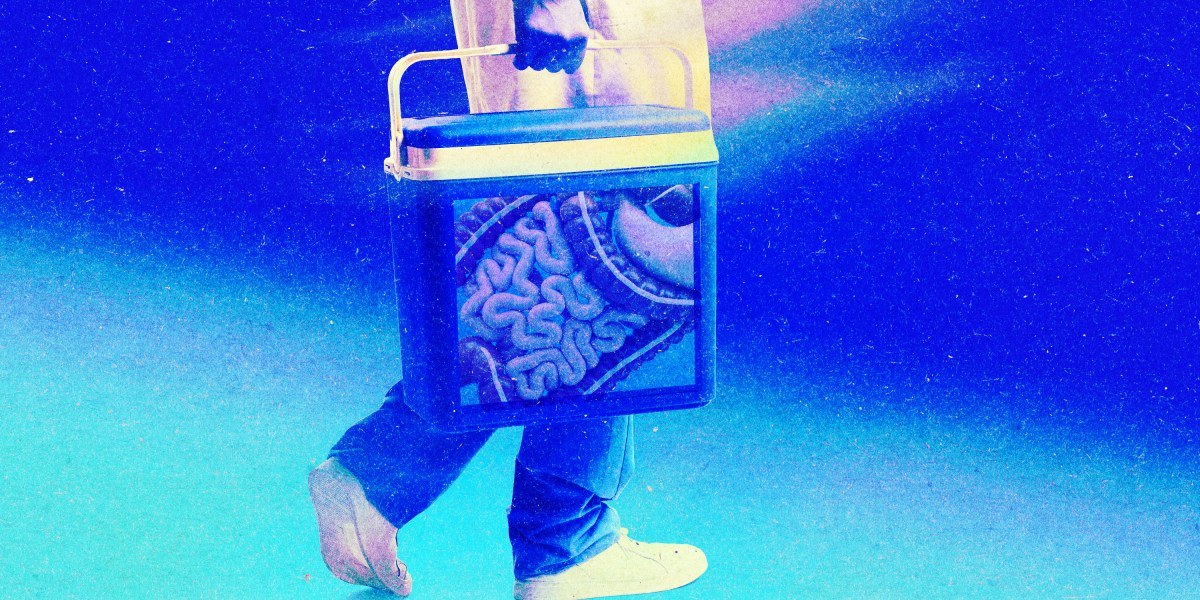
The critical failure point of modern medicine is not a surgeon’s trembling hand, but a ruthless race against time. Today, donor organs remain viable for only a few hours, even when packed in ice. This narrow window turns life-saving surgery into a reactive lottery, where proximity to an airport often outweighs immunological compatibility. However, researchers from MIT and other leading centers are beginning to disrupt this system, replacing "ice-bucket medicine" with supercooling and perfusion technologies. The goal is ambitious: to transform transplantation from emergency chaos into a predictable logistical network.
Breaking the Six-Hour Barrier
The fundamental problem of preservation is simple: once ice forms in tissue, the organ is effectively destroyed. Ice crystals act like a shredder, tearing apart the cellular structure. This is why Matthew Powell-Palm’s work represents a genuine breakthrough. His team successfully supercooled pig kidneys to −4°C, keeping them viable for several days without the formation of fatal crystals. The choice of porcine organs is pragmatic—their anatomical similarity to human organs makes these results easily scalable for clinical use.
"The shortage of donor organs is driven by time: they only survive outside the body for hours. Our task is to turn those hours into days."
Powell-Palm’s method avoids traditional cryoprotectants—essentially chemical antifreezes that are toxic in their own right. Kidneys preserved through supercooling outperformed the "on ice" control group. This paves the way for a world where transplant logistics are dictated not by helicopter flight times, but by data from supply chain optimization algorithms. An extra 48–72 hours grants doctors the luxury of conducting exhaustive tests to find the perfect recipient, rather than simply whoever is next in line geographically.
From Perfusion Systems to Autonomous Life Support
While supercooling handles storage, machine perfusion systems manage metabolism. These devices mimic the human body by pumping a nutrient cocktail through the organ. However, while −4°C storage is now a reality, full cryopreservation—cooling to −196°C into a vitrified state—remains a technological dead end for large organs. We can freeze sperm and embryos, but attempts by gerontologist Stephen L. Coles and specialists at Alcor to preserve the brain are still hindered by the impossibility of gently "thawing" dense tissues.
The immediate business case and clinical profit lie not in century-long suspended animation, but in a reliable one-week window. Establishing organ banks will radically alter the economics of surgery by eliminating the premium paid for "perishable goods." Once supercooling techniques transition from pig models to human trials, the industry's focus will shift from logistical races to deep immunological profiling. We are moving toward a reality where a heart or kidney transplant becomes a scheduled procedure, much like a knee replacement—free from midnight calls and desperate sprints against the dawn.