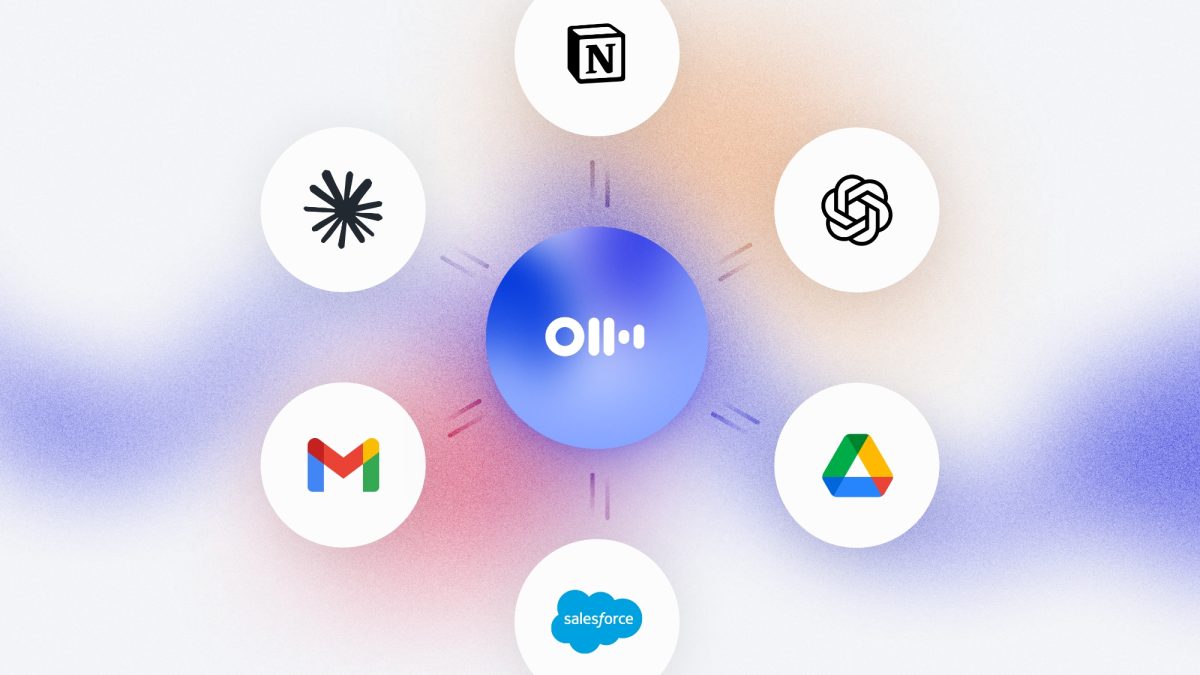
For a decade, enterprise software startups treated massive equity dilution from venture capital as the inevitable cost of doing business, but Otter.ai has decided to rewrite the arithmetic. The meeting note-taking company announced it secured $320 million from General Catalyst’s Customer Value Fund through an alternative financial mechanism tied directly to marketing performance.
Rather than surrendering company equity, the funding structure provides capital while avoiding dilution, tying returns directly to the results of marketing spend, according to Pranav Singhvi, Partner and Co-founder of CVF at General Catalyst. Voice data remains one of the largest untapped opportunities in enterprise AI, and Otter sits at the center of that landscape, a conviction underscored by Singhvi as the startup scales its footprint.
Revenue and User Milestones in a Crowded Market
Commercial reality tells a story of genuine scale. Last year, Otter cleared a major financial milestone by crossing $100 million in annual recurring revenue, accompanied by an expanded user base of 40 million users, up from 25 million the previous year. Yet the competitive trenches are brutally crowded. Well-funded rivals like Fireflies.ai, Granola, and Read AI crowd the market alongside aggressive newcomers such as Calendly, Wispr, and Superhuman, which recently acquired Fathom, not to mention peers like Circleback, Talat, and Quill.
Most of these tools aim to anchor themselves to core enterprise systems and automate workflows based on meeting transcripts. Otter is pushing down the same tracks, having introduced a meeting assistant, a cross-app search engine, and deep integrations with neighboring AI tools. However, the real test for Otter is retention in an environment where switching costs are practically zero, though the company notably declined to share monthly active user counts or churn metrics.
Enterprise Expansion and Product Evolution
Operational deployment of the fresh capital targets strict growth vectors, with leadership directing funds toward enterprise expansion, go-to-market strategies, and product innovation. Alex Gay, Otter’s newly appointed CMO formerly of Superhuman, told TechCrunch during the HumanX conference last month that the company sees a massive opportunity in turning transcripts into actionable insights for professionals who spend their days in back-to-back meetings.
“Meetings are the work for them,” Gay explained, pointing to customer calls and sales sessions where actual strategic decisions happen. Yet the format remains fundamentally broken because participants spend the first twenty minutes of every call merely recapping what was said previously to get everyone on the same page.
To fix that friction, the company is experimenting with pre-briefs loaded with background context from prior conversations, alongside a Live Assist feature allowing users to interrogate the AI assistant in real-time during a call. While Otter approaches new commercial milestones, management kept updated usage figures under wraps. The arrival of $320 million tied strictly to marketing outcomes rather than equity sacrifice signals that performance-based financing models are rapidly becoming a mainstream mechanism for underwriting enterprise software growth.