AI · This text was generated with artificial intelligence
The smart ring market is transitioning from an early niche into a crowded hardware segment. Oura dominated the category for years by pairing subtle form factors with biometric tracking, yet competing device makers are now introducing alternative capabilities to erode that advantage. Against this intensifying competitive landscape, Oura officially filed to go public on September 3, 2026.
Financial Strength Ahead of the Listing
Financial disclosures submitted for the public offering show substantial expansion across both hardware unit volume and recurring customer accounts. For the nine months ended June 30, Oura generated $1.21 billion in revenue, representing a near doubling of its business. The Finnish manufacturer reported selling 3.6 million rings over the past year, supporting an active base of approximately 5 million paid members.
This subscription-heavy footprint represents the core asset Oura aims to monetize as public markets evaluate its longevity. Transforming one-off device buyers into high-margin annual recurring revenue (ARR) through proprietary generative biometric analytics and predictive health insights remains Oura's primary defense against rivals pricing hardware aggressively to undercut margins.
Emerging Rivals Shift Hardware Strategies
Competitors are attacking Oura across multiple hardware fronts, incorporating features ranging from specialized health diagnostics to broader consumer utility. French company Circular announced this week that its upcoming ring will allow users to tap to pay with their ring.
At the same time, regional rivals are pursuing on-device compute capabilities and alternative interaction methods to stand out.
"Indian company Ultrahuman separately announced this week that it raised $70 million with backing from Qualcomm’s venture arm as it looks to build a ring that it says will be able to run software directly on the device and eventually power everything from AI interactions to games."
Ultrahuman's push into local processing follows significant regulatory resistance in the U.S. In October 2025, the U.S. International Trade Commission ruled in Oura's favor in a patent dispute, barring Ultrahuman from importing new ring inventory into the country. To circumvent that restriction, Ultrahuman developed its third-generation $479 Ring Pro, scheduled to begin shipping in the U.S. in mid-September.
Ecosystem Pressure and Hardware Diversification
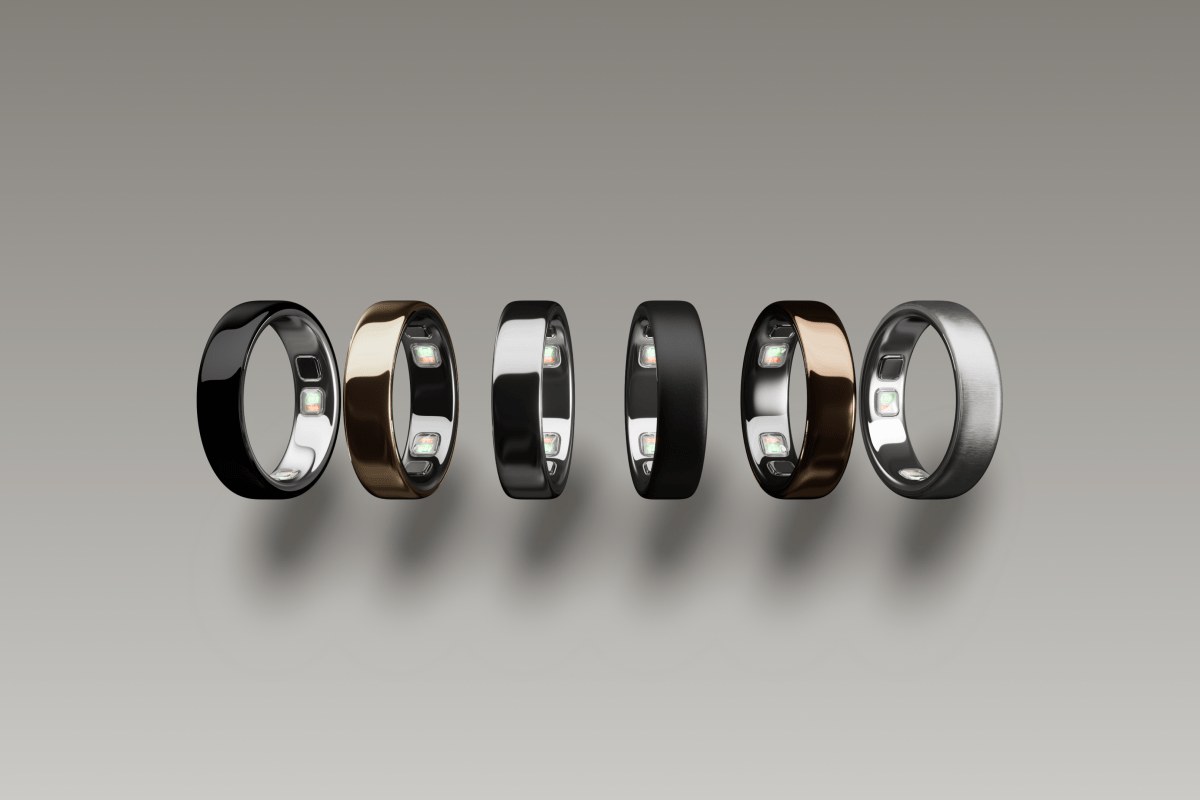
Other manufacturers are layering specialized biometric sensors or manual controls into titanium shells. Chinese company RingConn debuted a ring this year that added haptic vibrations. Meanwhile, Dreame promised a touchpad with its Dreame Ring.
For B2B health-tech operators and executive leadership, Oura’s public debut serves as a litmus test for vertical AI assistants. Without the broader ecosystem lock-in commanded by platform giants like Apple and Samsung, pure-play AI wearables face strict retention ceilings once the underlying hardware sensors inevitably turn into commoditized titanium shells.