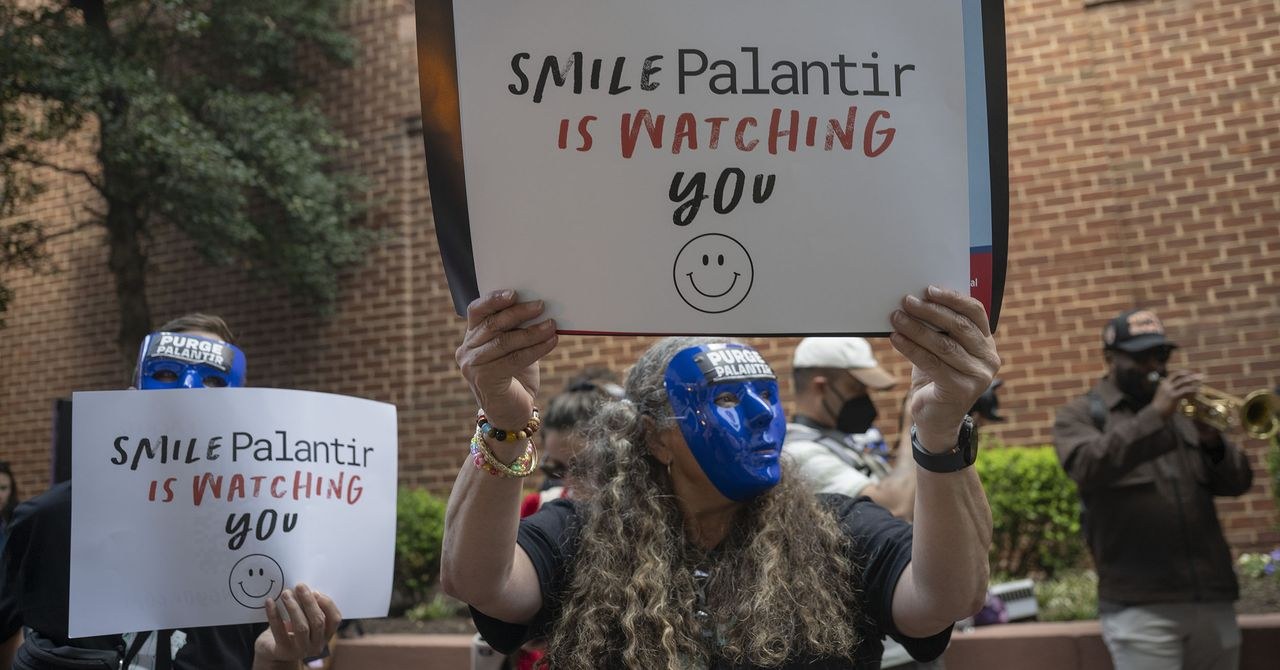
A deepening internal rift within Palantir threatens to transform the technology giant into an operational shell. According to a WIRED investigation, employees are increasingly alarmed by the evolving role of their developments: Palantir has shifted from a self-proclaimed protector of civil liberties to the technological backbone for mass deportations under the U.S. Department of Homeland Security. The irony is palpable—Peter Thiel founded the company with CIA venture capital specifically to combat terrorism while publicly pledging to uphold human rights. Today, testimonies from current and former staff suggest the corporate trajectory is drifting toward what some describe as 'digital fascism.'
This ethical dissonance is more than just water-cooler talk; it represents a critical risk to employer branding and top-tier talent retention. While leadership maintains the mantra that Palantir is 'not a monolith of opinion,' engineers are left wondering why they are building systems that fundamentally contradict their core values. Sources told WIRED that the original promise to prevent the abuse of power has been replaced by the technical facilitation of it.
For clients and business leaders, the situation is troubling. When the engineers responsible for AI critical to national security begin to view their work as immoral, the risk of 'quiet quitting' or a mass exodus becomes a tangible threat. The moral erosion of a development team is more dangerous than any technical glitch. A decaying internal culture inevitably leads to the degradation of technical support and update quality. Ultimately, a provider’s ethical crisis is a long-term risk to the stability of your tech stack—one that cannot be fixed with a software patch or a press release.