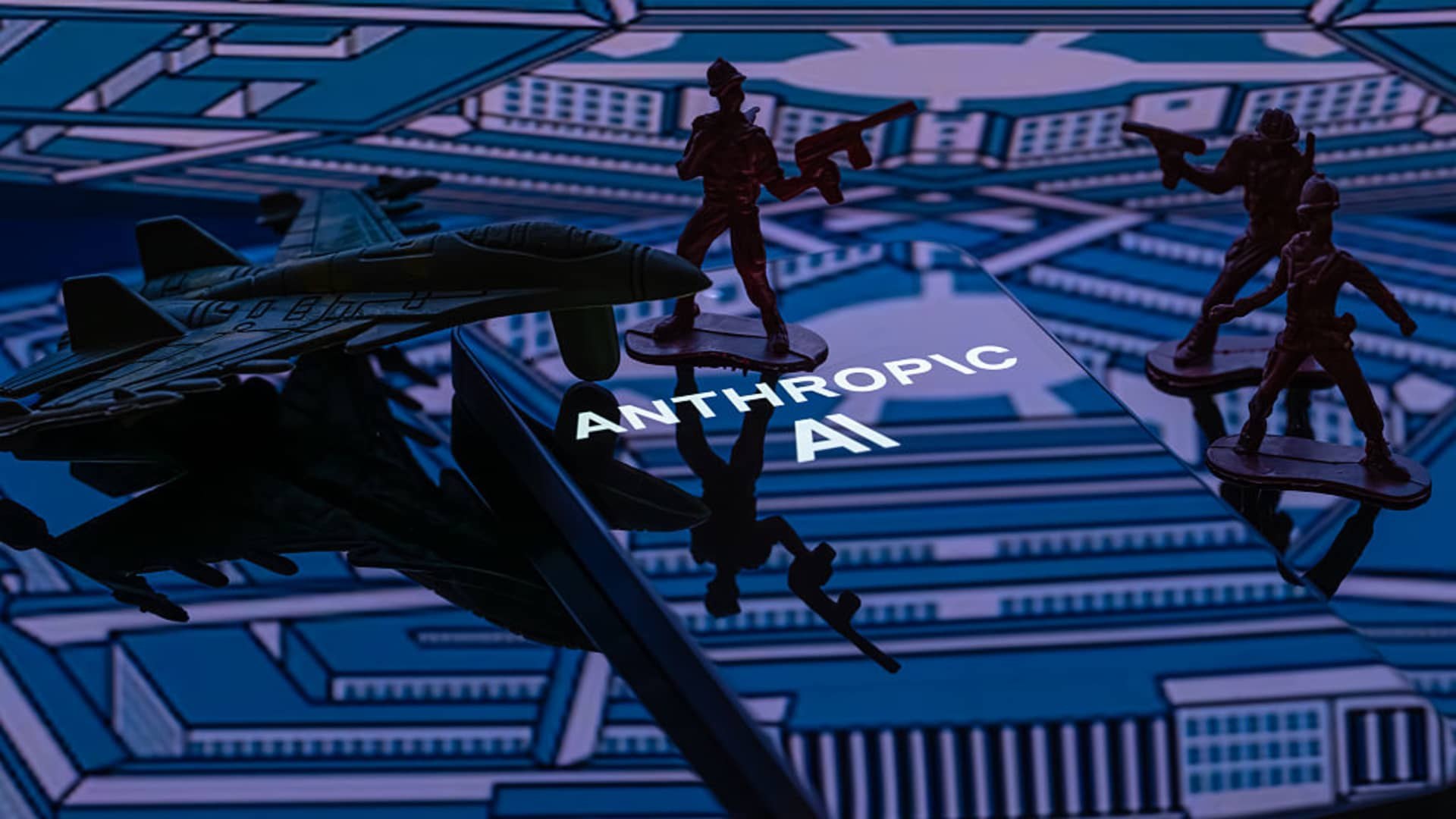
The legal fiction that commercial artificial intelligence exists above sovereign geopolitics has just collapsed in a Washington, D.C. courtroom. By a 2-1 vote, a federal appeals court panel upheld the Department of Defense's decision to blacklist Anthropic, swatting down the company's protests that the military ban on its Claude models was arbitrary or unconstitutional. Judge Gregory Katsas authored the majority opinion, backed by Judge Neomi Rao, while Judge Karen LeCraft Henderson delivered a dissenting note.
The appellate panel conveniently delayed the ruling's immediate effect, offering Anthropic a brief window to beg for a rehearing. But the damage is done. The core of the decision grants defense officials near-infinite statutory latitude over procurement and operational safeguards, effectively handing the executive branch a blank check to torpedo any AI vendor under the banner of national security.
"The Department had ample support for its conclusion that the continued integration of Claude into the Department's information systems, by the Department or its contractors, presented a statutorily covered national-security risk," Judge Gregory Katsas wrote in the majority opinion.
This legal validation establishes a grim precedent: military leadership can excise commercial AI providers on a whim, backed by vague security invocations and zero public burden of proof.
Contracting Clashes and Risk Labels
When the Department of Defense slapped Anthropic with a supply chain risk label in March, it did more than bruise corporate egos. The administrative action legally bars the U.S. military from touching Anthropic's models and explicitly blocks defense contractors from deploying them anywhere near agency work.
Anthropic rushed to federal courtrooms, taking the Trump administration to task in both San Francisco and the D.C. Circuit. While a San Francisco federal judge briefly declared one designation illegal last month, this D.C. appellate win hands the Pentagon the definitive legal weapon it needed.
For enterprise buyers, this is a wake-up call wrapped in a subpoena. When a national security designation can vaporize multi-million-dollar partnerships overnight, relying on a single third-party model vendor is no longer an innovation strategy—it is an existential compliance disaster waiting to happen.