AI · This text was generated with artificial intelligence
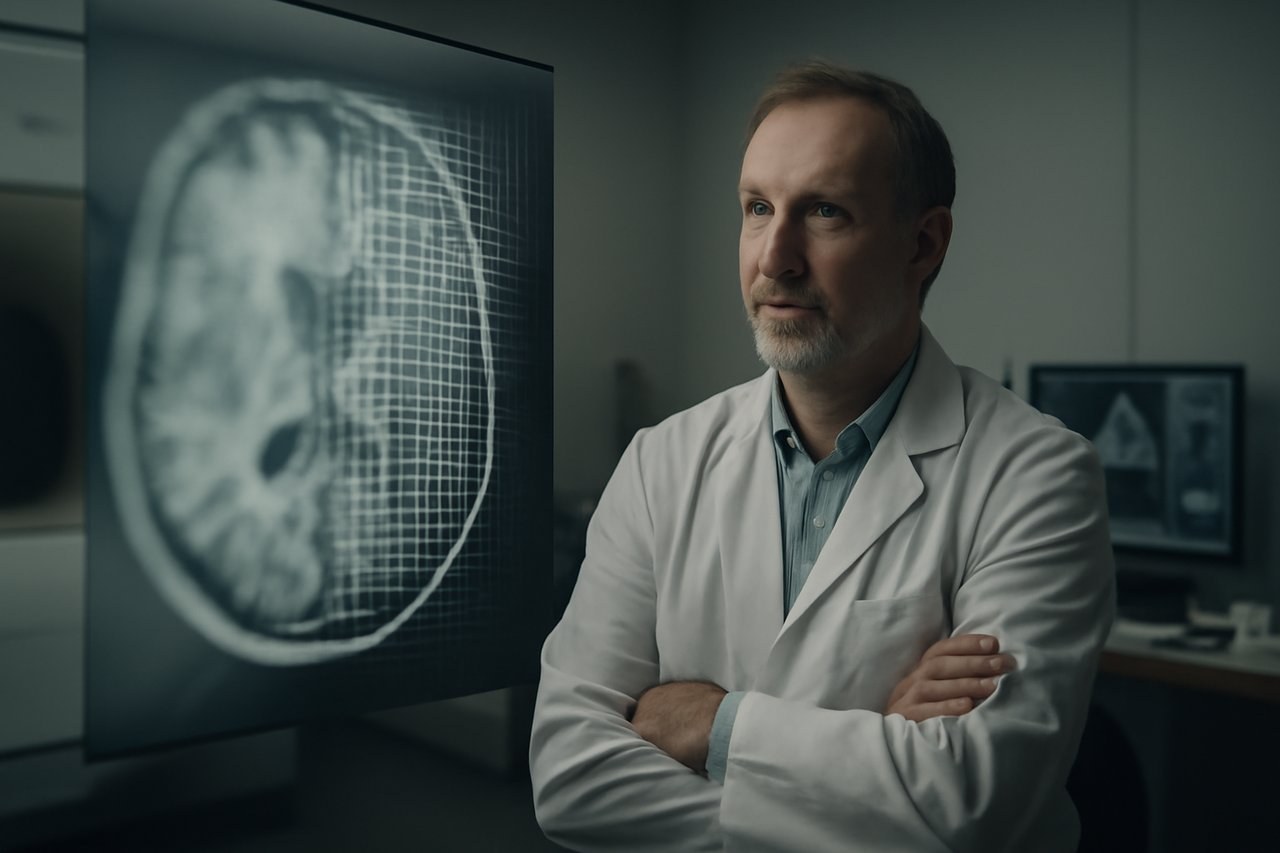
Magnetic Resonance Imaging remains the primary bottleneck in diagnostics: slow scanning speeds drive up procedure costs and severely limit patient throughput. A team led by Arda Atalık at the NYU Grossman School of Medicine has introduced a solution that turns archived medical images into tangible capital. Their technology, L-TGVN (Longitudinal Trust-Guided Variational Network), reconstructs MRI scans by using a specific patient’s historical data as context.
Instead of relying on generalized models of a "typical human"—which often fail during accelerated scanning—L-TGVN extracts fine details from the subject's previous scans. This allows the system to reconstruct a diagnostic-grade image even with an extremely limited set of sensor data. The operational impact is clear: the less k-space data required, the faster the patient leaves the machine. Experts estimate this can increase scanner throughput by 30–50%, a decisive factor for ROI given that these machines cost millions of dollars.
Key Advantages of L-TGVN Technology
"Utilizing longitudinal data transforms a patient's medical history into a direct driver of clinical margins."
No Data Bureaucracy: The system does not require perfect alignment between old and new images. Resilience to Change: Accuracy is maintained even as pathologies progress or research protocols change. Reliability Control: The algorithm ensures that "historical" hints never contradict current real-time measurements. Cost Reduction: Minimizing the risk of artifacts eliminates the need for no-charge re-scans.
The shift from universal algorithms to personalized models is more than a technical upgrade; it is a pragmatic business move. Rather than forcing expensive hardware to idle during long scan cycles, medical networks can now transform diagnostics into an efficient pipeline without sacrificing image quality.