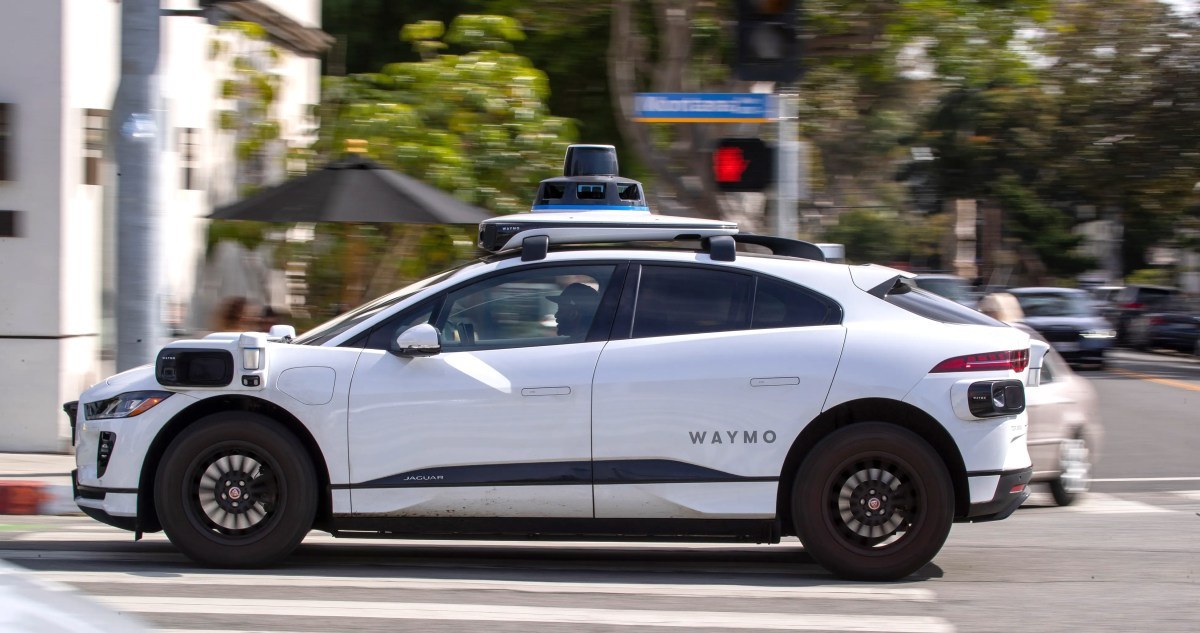
Commercial autonomous vehicle deployment is routinely marketed as a linear victory lap measured in fleet headcount and geofenced square miles. Yet, regulatory records show that aggressive geographic expansion carries a direct physical cost. Human safety drivers validating the software on public roads are absorbing the impact of conservative motion planning algorithms—quite literally.
According to OSHA filings analyzed by TechCrunch, safety drivers for Alphabet's Waymo (contracted through Transdev) and Amazon's Zoox suffered more than two dozen workplace injuries across 2024 and 2025. The documented incidents include severe cervical strains, torn ligaments, and whiplash caused by abrupt phantom braking and erratic swerves, leaving several operators incapacitated for weeks or months. Transdev logged 16 injuries across three municipal depots directly caused by Waymo's automated driving system executing violent stops, while Zoox recorded at least eight injuries linked to identical deceleration spikes.
The Mechanics of Phantom Braking
These injuries reveal a fundamental architectural compromise in autonomous driving software. When perception models face sensory ambiguity or high-entropy edge cases, motion planners default to maximum defensive braking. From an algorithmic risk-minimization standpoint, prioritizing a sudden stop over a potential low-probability collision protects external road users. For the human inside the cabin, however, recurring 0.8G deceleration events without prior warning create severe kinetic trauma.
Waymo opted to issue generalized safety platitudes while dodging direct inquiries regarding its OSHA logs, a standard corporate deflection that glosses over the underlying engineering trade-off.
Fleet Scaling and Regulatory Visibility
Public disclosure of these injuries is largely an artifact of legacy labor classifications rather than specialized AV safety oversight. Waymo and Zoox appear in OSHA's Injury Tracking Application only because their testing operations are filed under taxi, limousine, or transit codes—triggering mandatory disclosure thresholds for facilities with 100 or more employees. In emerging test markets where local depot staffing falls below that headcount, injuries go unrecorded in federal databases, masking the true operational injury rate.
At Zoox, where autonomous systems are validated on modified Toyota Highlander testbeds, internal accounts confirm that violent braking remains an unresolved bottleneck. Test drivers reported persistent hard-braking events through late 2024. Zoox defended the metrics by arguing that sudden stops represent a minuscule fraction of total miles driven. That defense collapses from an occupational health and commercialization perspective: scaling fleet miles exponentially without fixing phantom deceleration directly scales worker compensation liabilities, insurance premiums, and regulatory exposure.
Phantom braking is not an edge-case quirk; it is an algorithmic crutch. Until perception stacks can disambiguate actual hazards from phantom noise without slamming the brakes, robotaxi operators will continue passing the technical debt of autonomous driving onto the necks and spines of their lowest-paid contractors.