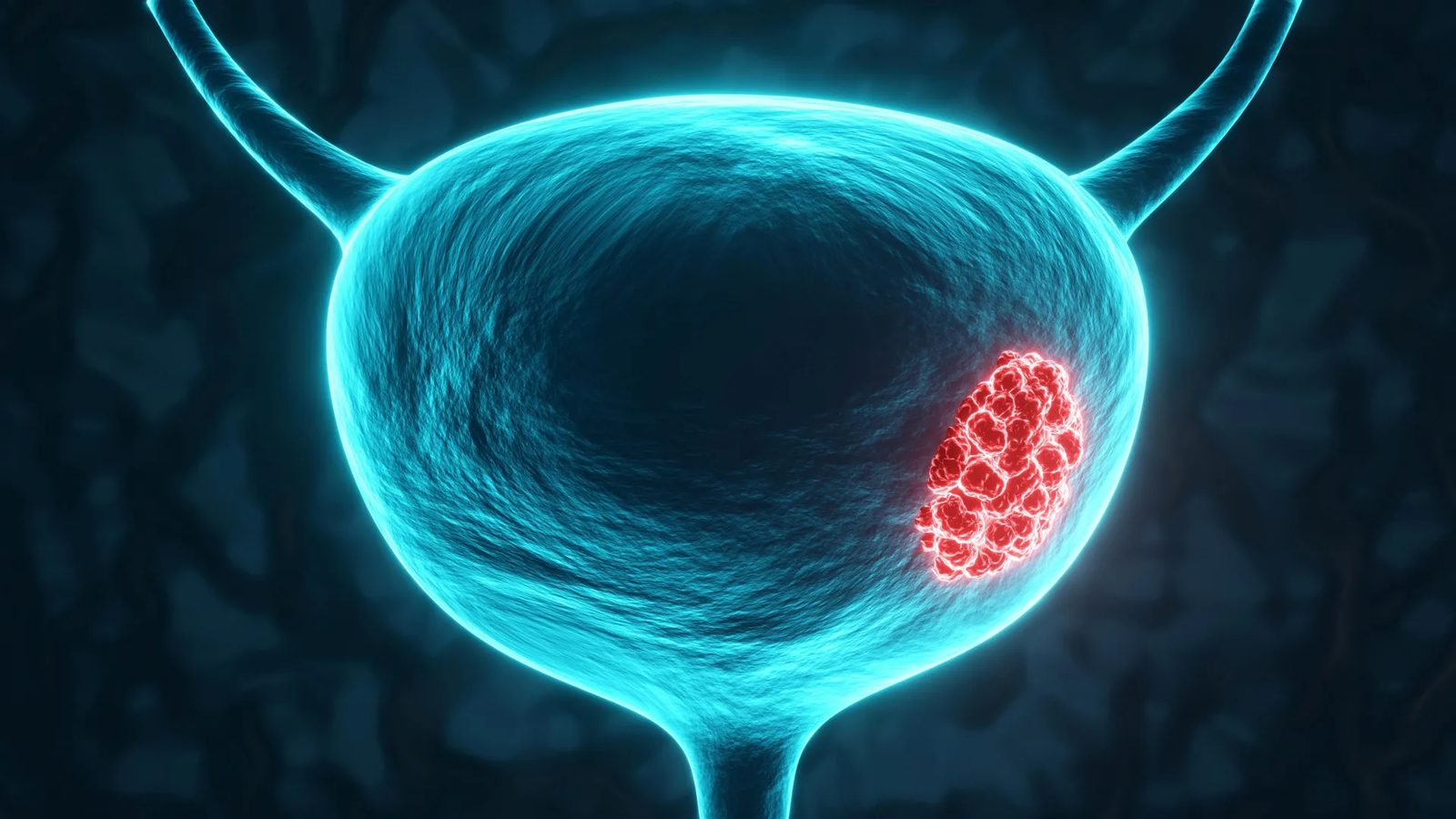
Healthcare systems track 48,261 possible health indicators across routine records, yet bladder cancer kills approximately 220,000 people worldwide each year. Diagnosing the condition in its initial stages remains difficult because early warning signs frequently resemble those of kidney stones or benign conditions. When doctors suspect malignancy, confirming the diagnosis requires a cystoscopy, a procedure where a long, thin tube with a small camera is moved up the urethra and into the bladder. This reliance on invasive testing alongside ambiguous symptoms creates clinical delays and burdens healthcare resources.
Predictive machine learning models offer an alternative pathway by identifying pathological risks directly from electronic medical records years before visible symptoms trigger formal referrals. As Professor Shang-Ming Zhou at the University of Plymouth's Centre for Health Technology stated, research teams developed an artificial intelligence model called PRECISE-AGZ to evaluate long-term patient records. By filtering tens of thousands of routine data points down to actionable predictors, the system detects hidden physiological trajectories, identifying 85% of bladder cancer cases up to five years before standard diagnostic confirmation.
Screening Mechanisms and Feature Reduction
To build the predictive architecture, the team examined electronic medical records from nearly 70,000 patients spanning a 25-year period between 1995 and 2020. The researchers evaluated 48,261 variables per individual, incorporating lifestyle metrics such as smoking and exercise habits alongside medication history and clinical visits. According to the researchers, the algorithm subsequently condensed this pool into 38 key predictive features.
The PRECISE-AGZ system narrowed down 48,261 recorded health indicators to 38 key predictive features, demonstrating that focused clinical subsets can reveal long-term pathological patterns across historical records.
As the report shows, the resulting system correctly identified 85% of patients who had bladder cancer and accurately classified 91% of those who did not have the disease. Effective detection occurred as early as 12 months before official clinical diagnosis, with subtle indicators detected up to five years prior.
Reassessing Risk Indicators and Diagnostic Triage
Evaluating predictive correlations often raises concerns regarding clinical validity, as non-obvious statistical associations can be mistaken for direct biological causation. Skeptics might argue that correlations with unrelated conditions like dementia or tamoxifen use could lead to false positives rather than true biological insights. The PRECISE-AGZ model affirmed known variables like smoking and hematuria, but it also revealed that visible blood in the urine carries different diagnostic weight depending on underlying conditions. In men diagnosed with benign prostate enlargement, blood in the urine was associated with a lower bladder cancer risk rather than an increased probability.
The algorithm identified unexpected clinical patterns, showing that long-term use of the breast cancer medication tamoxifen was associated with higher bladder cancer risk, whereas diagnoses of Parkinson's disease or dementia correlated with lower risk.
These associations do not establish that neurodegenerative disorders protect against bladder cancer or that tamoxifen directly causes it. Instead, they indicate biological interactions that warrant further investigation while assisting clinical risk stratification. The PRECISE-AGZ system assigns patients to three tiers based on estimated probability: low-risk at below 7%, an uncertain grey zone between 7% and 55%, and high-risk above 55%. Deploying multi-variable risk stratification tools allows clinical providers to spare low-risk individuals from invasive cystoscopy while directing diagnostic priority toward patients exhibiting high-probability profiles, directly reducing unnecessary procedures and associated costs. Filtering out low-probability cohorts curtails the volume of invasive cystoscopies, mitigating procedural expenditures and clinical bottlenecks while optimizing resource allocation across healthcare systems. How healthcare systems will integrate these multi-tier probability thresholds into standard clinical workflows without inflating false-positive referral rates remains the operational question for administrators.
What doesn’t add up
The PRECISE-AGZ model developed by researchers at the University of Plymouth attempts to eliminate this blind spot by compressing that massive dataset down to 38 key predictive features. Instead of trying to eliminate cystoscopy entirely, the system assigns patients into three risk tiers based on long-term patterns hidden in routine visits. Clinicians nevertheless remain skeptical of relying on statistical correlations like tamoxifen intake that could easily mimic true biological causation. Transforming routine health records into predictive risk tiers solves the patient triaging bottleneck, but its clinical adoption hinges entirely on whether doctors accept indirect statistical signals.