AI · This text was generated with artificial intelligence
The brain-computer interface (BCI) industry has finally emerged from the cozy cocoon of academic labs into the harsh reality of the commercial market. While competitors measure their success by the number of electrodes crammed into gray matter, Max Hodak’s Science Corporation—founded by Elon Musk’s former Neuralink partner—has opted for a flanking maneuver. Securing a CE Mark in the European Union for the PRIMA chip is not just another medical gadget update; it is the first real precedent of turning a neural implant into a mass-produced product.
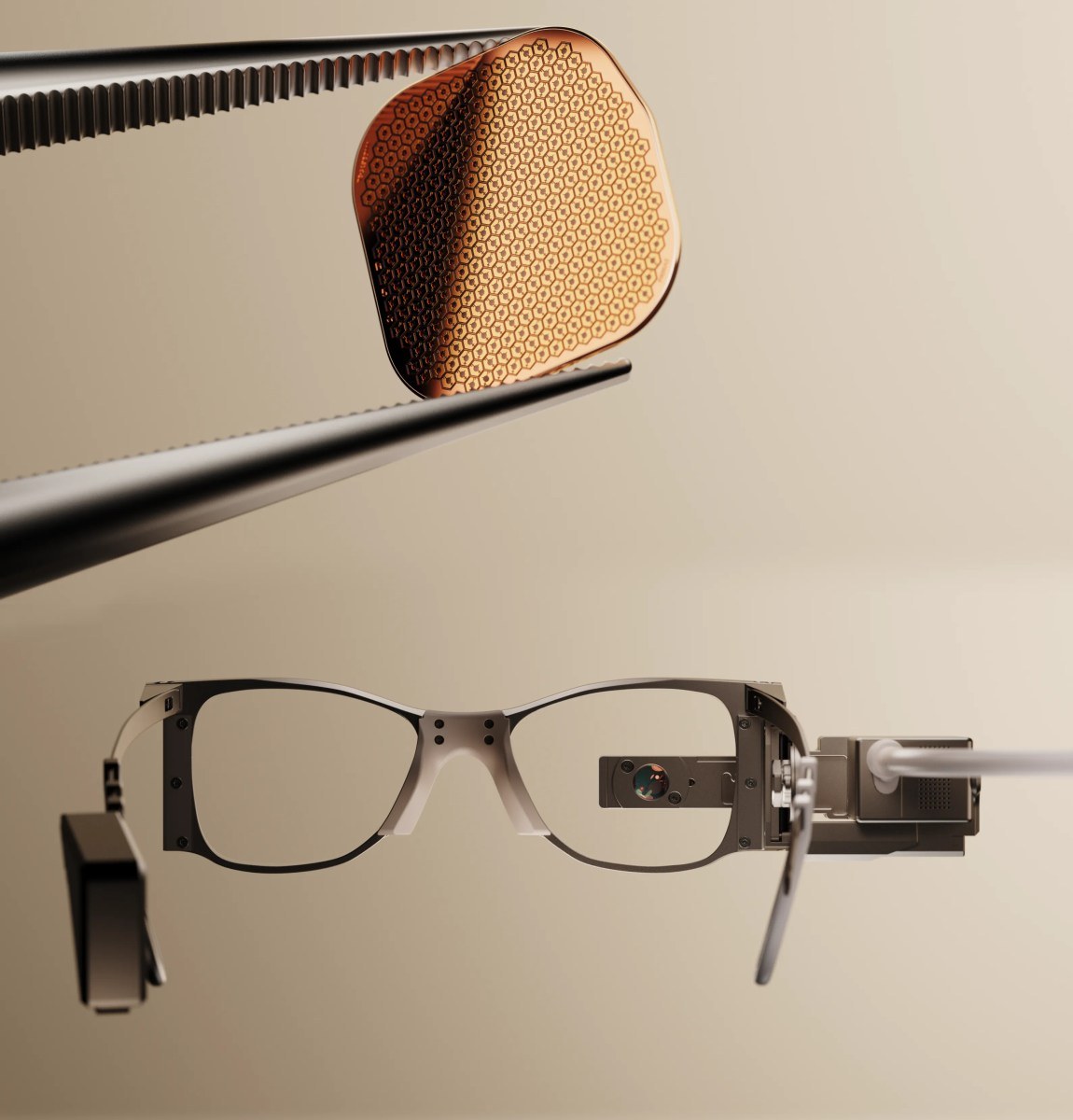
Hodak’s strategy is pragmatically cynical: instead of storming the cerebral cortex, Science Corporation is entering through the "back door"—the retina. The technical mechanics of PRIMA are a hybrid of silicon and biology. A tiny chip is implanted under the retina during a one-hour outpatient procedure, which then translates data from external camera-equipped glasses. The clinical validation results are more impressive than any keynote presentation: patients with age-related macular degeneration, who lived in darkness for years, are beginning to read books and even play Sudoku. This is exactly what the industry needs to thaw the investment winter—proven, repeatable functionality.
The Economics of Sight and Regulatory Arbitrage
"This field needs a company with $100 million in annual revenue," Max Hodak stated in an interview with TechCrunch.
This thesis explains why Science Corporation wasn't afraid to take the M&A route, acquiring the French firm Pixium in 2024. While Neuralink battles FDA bureaucracy and ethics committees in the US, Hodak is effectively using the European market as a scaling ground. Yet, behind the technological triumph lies cold economics: the system's cost reaches into the six-figure range. The primary barrier to mass adoption won't be the complexity of the surgery, but the willingness of insurance companies and EU national healthcare systems to include such devices in their reimbursement schedules.
In our view, PRIMA is a financial battering ram. The success of this "visual" chip is intended to provide the capitalization necessary to develop far more invasive and ambitious neurosensors. Currently, the company is actively penetrating the German market, where clinical tests were conducted, while simultaneously advancing in the US via the FDA's Breakthrough Device Designation. This grants accelerated review but does not waive the requirement to prove the economic efficiency of every implant.
Watching a patient in France finish a 300-page novel thanks to a chip makes one thing clear: the era of neurotechnology in non-medical sectors will become a reality the moment insurance analysts and surgeons figure out how to make these procedures routine. For now, Science Corporation’s success is a story of how the BCI race isn't won by the one promising telepathy, but by the one who first learned how to bill for restored vision.