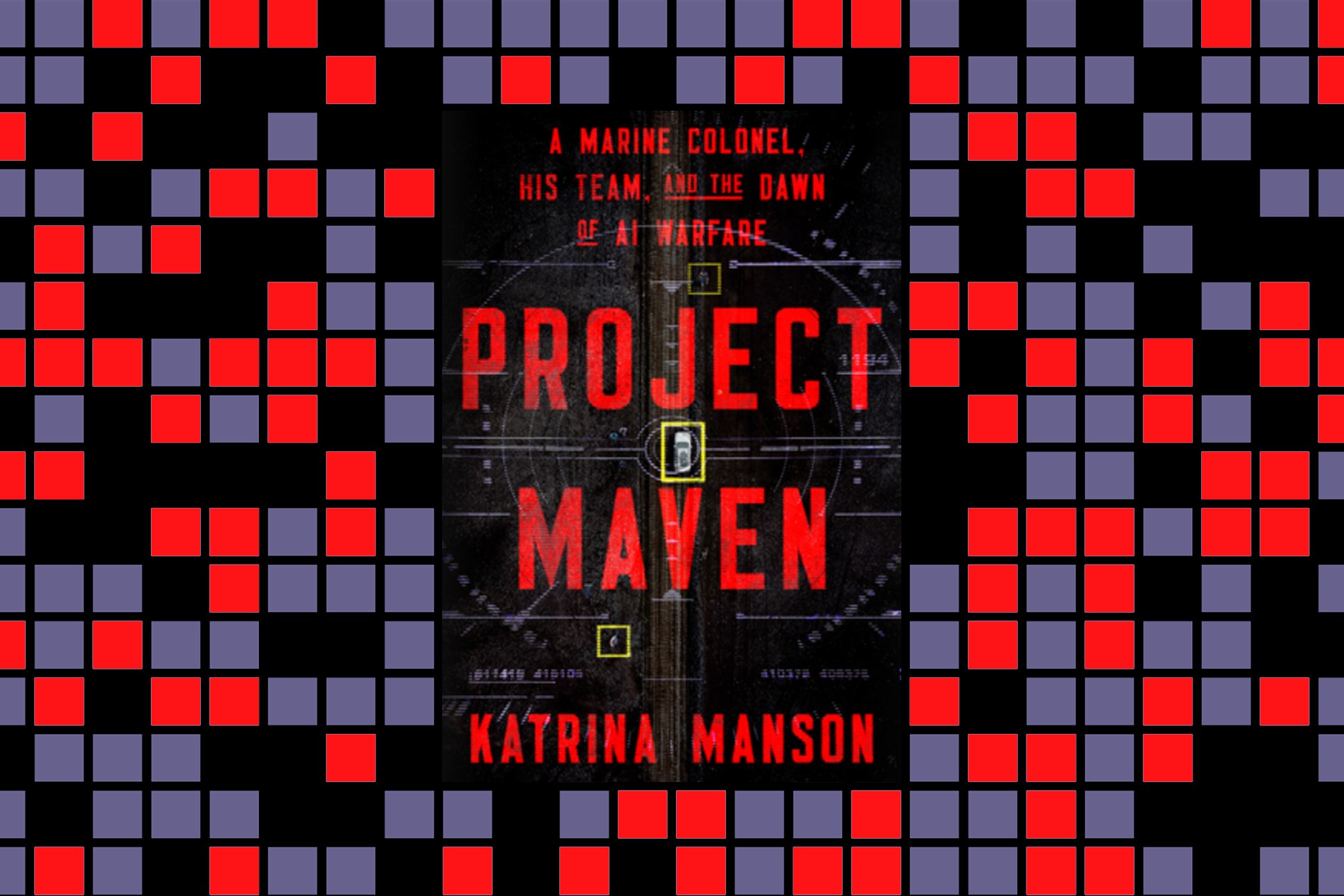
The benchmark for operational efficiency has shifted from human capability to the rigorous metrics of Project Maven. In the first 24 hours of operations against pro-Iranian groups, the U.S. military struck over 1,000 targets—nearly double the scale of the 2003 invasion of Iraq. As journalist Katrina Manson notes in her book *Project Maven*, this acceleration was driven by a system that synthesizes satellite imagery, radar data, and social media feeds, reducing decision-making cycles from hours to mere seconds. Although Google famously exited the project following employee protests, the work was completed by Palantir, leveraging infrastructure from Microsoft, Amazon, and Anthropic. What we are seeing is no longer a Silicon Valley experiment, but a battle-tested architecture for converting massive data streams into concrete actions.
For the business world, the evolution of Maven signals a transition from 'smart cameras' to autonomous asset management. The system does not merely recognize objects; it functions as a workflow engine, instantly matching the right resource to every task. According to Manson’s sources, the integration of Large Language Models (LLMs) has increased the system’s capacity to 5,000 targets per day. However, the price of this speed is the risk of catastrophic data latency. Manson describes an incident where a strike hit a girls' school—killing 150 people—simply because the database had not been updated; the building was still listed as a naval base. As tech historian Kevin Baker noted, this wasn't a chatbot 'hallucination,' but a standard data error amplified by the system's extreme velocity. This creates a direct precedent for corporate risk: in an autonomous environment, your reliability is strictly limited by the quality of data input at the lowest level.
The management takeaway is clear: implementing such systems is not about perimeter security, but about radically accelerating the OODA loop (Observe, Orient, Decide, Act). If your business can process 1,000 operational anomalies per day, you gain a colossal competitive edge, but you simultaneously inherit military-grade responsibility. Database synchronization is no longer just 'IT hygiene'; it is a critical safety protocol. An autonomous engine will make a decision and strike—whether financially or operationally—based on outdated data faster than a human can reach for the cancel button.