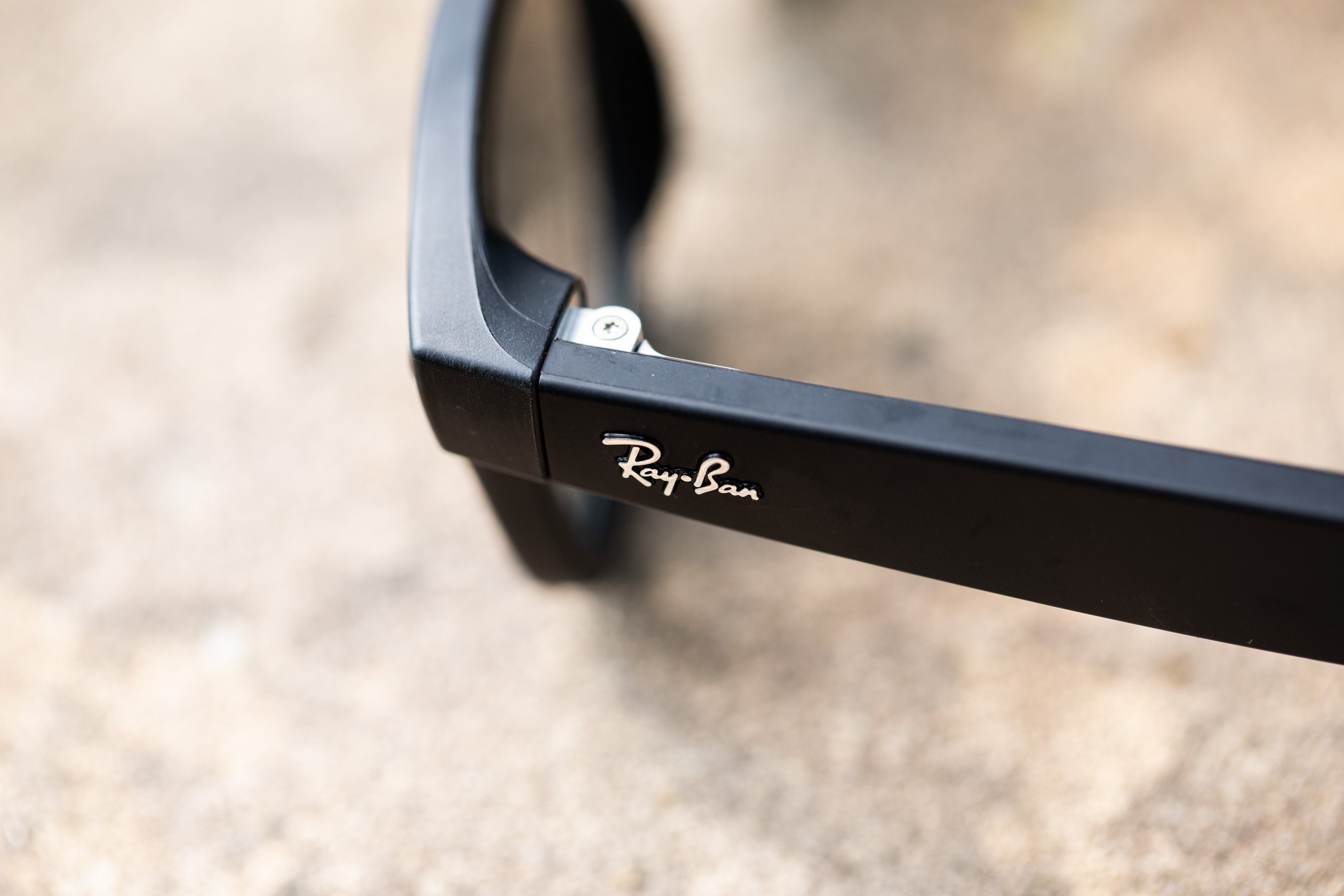
Meta is attempting once again to normalize the idea that artificial intelligence can exist beyond smartphones and be integrated into everyday items. The current focus is on the second generation of Ray-Ban AI smart glasses. Recent FCC certification for models codenamed 'Scriber' and 'Blazer' suggests a release is approaching. It's no secret that the first version of these glasses did not prove to be a breakthrough. However, Mark Zuckerberg appears determined not to retreat, maintaining a strong belief in a future where AI seamlessly integrates into our lives rather than requiring users to learn new, complex instructions.
While details from the FCC filing are sparse, they hint at significant hardware upgrades. New model numbers (RW7xxx compared to the older RW4xxx) and likely a different chipset indicate more than just cosmetic changes. Support for Wi-Fi 6 UNII-4 is expected to improve data transmission stability, which is crucial for AI functions like real-time video streaming and processing. Wireless charging remains a feature, which is a welcome consistency.
Sales of last year's Ray-Ban Meta glasses, estimated by EssilorLuxottica at over seven million pairs, sound impressive. However, without figures on profitability and actual development costs, these sales volumes do not definitively signal commercial triumph. If Meta continues to invest heavily in this area, the second generation, with its promised updates, could potentially mark a pivotal moment for the entire smart optics industry and, consequently, for the development of the metaverse. Meanwhile, Google and Apple are likely studying these developments closely, learning from Meta's experiences as they prepare their own strategies.
Why this matters: The success or failure of Ray-Ban AI 2.0 will indicate whether investors and corporations are ready to commit to wearable AI solutions. This outcome will directly influence the pace at which AI transitions from being a domain for enthusiasts to becoming an integral part of our daily lives. Meta appears committed to seeing this through, and the results of this second attempt will provide a clear signal to the entire industry.