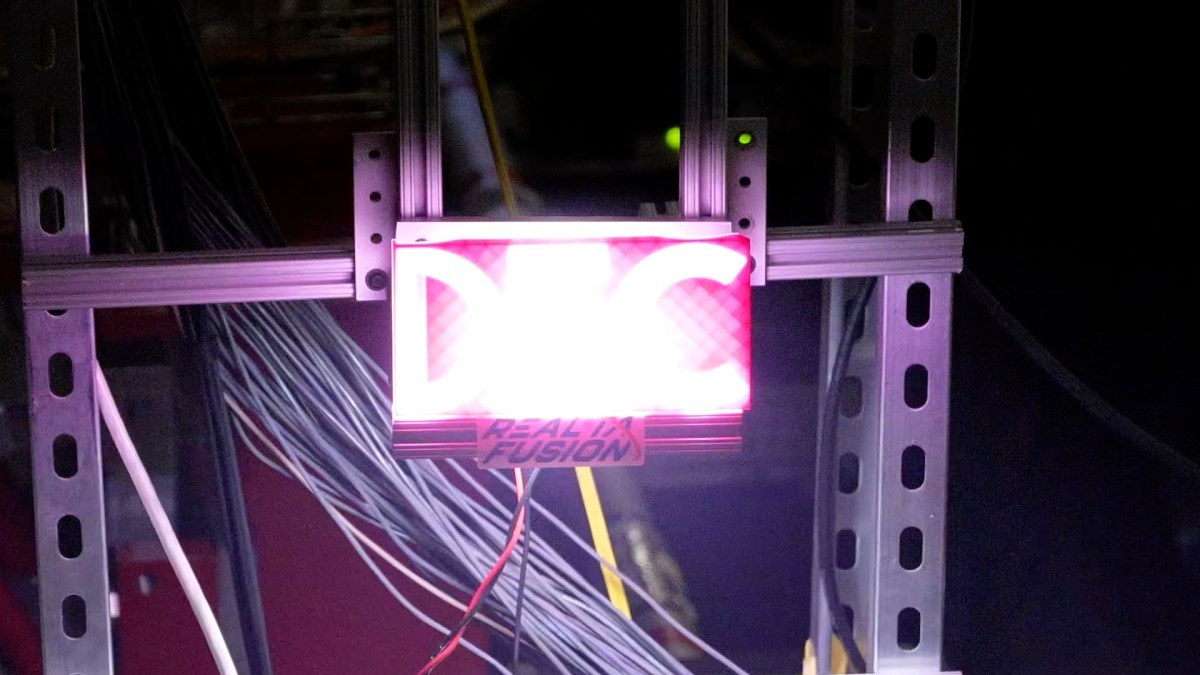
Modern energy production, for all its high-tech window dressing, still painfully resembles a giant teakettle: we burn something expensive or dangerous just to boil water and spin a steam turbine. Wisconsin-based startup Realta Fusion is determined to consign this archaic cycle to the scrap heap of history. On June 19, their experimental WHAM device successfully lit a bulb by drawing electricity directly from plasma. According to co-founder and CEO Kieran Furlong, they have managed to harness the energy of charged particles while bypassing the thermal barrier entirely.
For AI infrastructure strategists, this milestone is more significant than the latest LLM release. The math here is unforgiving to traditional solutions: modern nuclear fission reactors operate at roughly 33% efficiency, wasting two-thirds of their potential heating the atmosphere. In an interview with TechCrunch, Furlong estimated the efficiency of direct conversion at a staggering 90%. The secret lies in recirculation: Realta Fusion plans to funnel captured energy back into heating its own plasma, which is projected to increase the total output of a commercial station by 20–30%. A current of several amps at 100 volts is no longer a theoretical calculation; it is physical proof that the "closed loop" is viable.
Key Takeaways from Realta Fusion’s Technology
Direct conversion of plasma energy into electricity without steam turbines. A jump in generation efficiency from 33% to a record-breaking 90%. The ability to recirculate energy to sustain the fusion reaction. Potential for autonomous power units dedicated to data centers.
"We are witnessing a fundamental shift in the unit economics of computing. Energy is ceasing to be an external commodity and is becoming a recyclable asset."
In an era of exponential demand for data center power, purchasing electricity from the public grid is becoming an operational dead end. When conversion efficiency leaps from 33% to 90%, the architecture of AI systems changes fundamentally. The future of AI infrastructure isn't about scouting locations near hydroelectric dams; it’s about designing data centers around autonomous reactors, where the cost of inference is no longer tethered to fossil fuel prices or the whims of the power grid.