AI · This text was generated with artificial intelligence
The Shift to Point-to-Point Autonomy
In 2005, a Stanford team led by Sebastian Thrun won DARPA’s $2 million Grand Challenge when a customized Volkswagen named Stanley crossed 212 kilometers of Mojave Desert without human intervention. That era relied on handcrafted rule-based robotics. Today, autonomy is executing a hard pivot toward end-to-end neural networks and on-board edge compute optimization, taking the fight from barren sand to dense urban corridors across the U.S. and Canada.
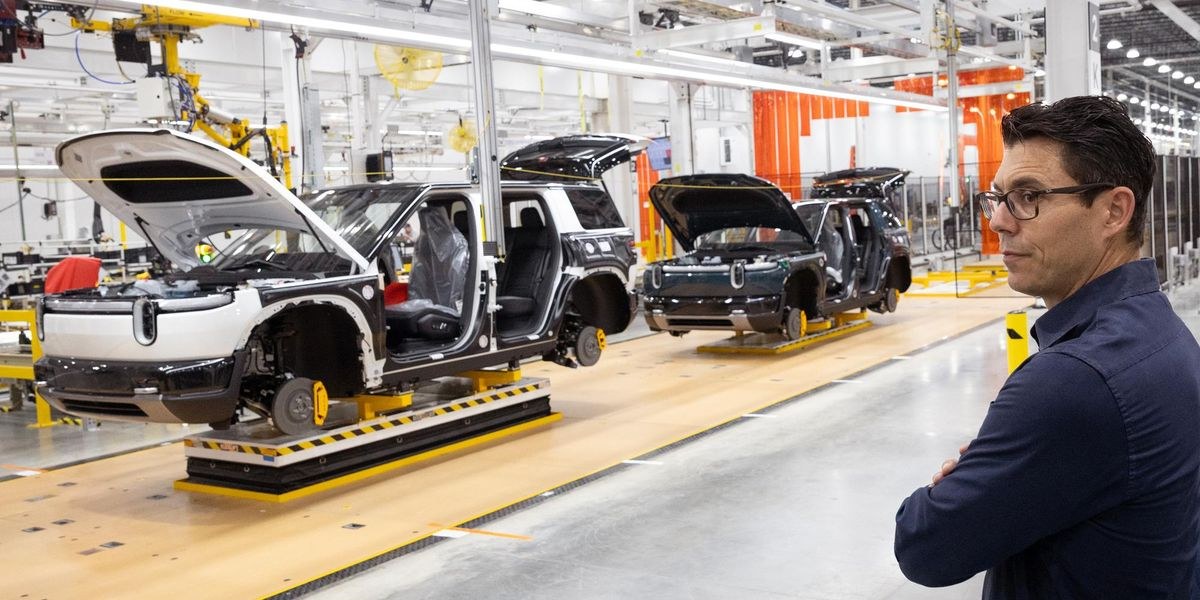
Rivian is now validating its point-to-point Autonomy+ architecture on the roads of Palo Alto, gearing up to ship the stack on the upcoming R2 SUV alongside over-the-air rollouts for refreshed R1S and R1T fleets. The system moves Rivian past highway lane-keeping toward handling complex surface streets, crosswalks, and traffic signals under driver supervision.
Rivian plans to introduce this self-driving system to compete with Tesla's offering before the end of 2026.
Software Monetization
Automakers are learning the hard way that selling electric hardware alone burns capital. Rivian’s response is software margin expansion: Autonomy+ will be priced at $49.99 a month, or $2,500 upfront. That dramatically undercuts Tesla’s $99 monthly FSD tax and outprices Mercedes-Benz’s $3,950 three-year package for MB.Drive Assist Pro.
Yet executive teams shouldn't confuse pricing disruption with commercial autonomy. Classified strictly as Level 2+, Autonomy+ still delegates ultimate liability to the human driver. For enterprise fleets and B2B operators, fragmented state regulations and liability bottlenecks mean consumer-grade L2+ subscriptions remain high-margin software experiments rather than true autonomous labor replacement.