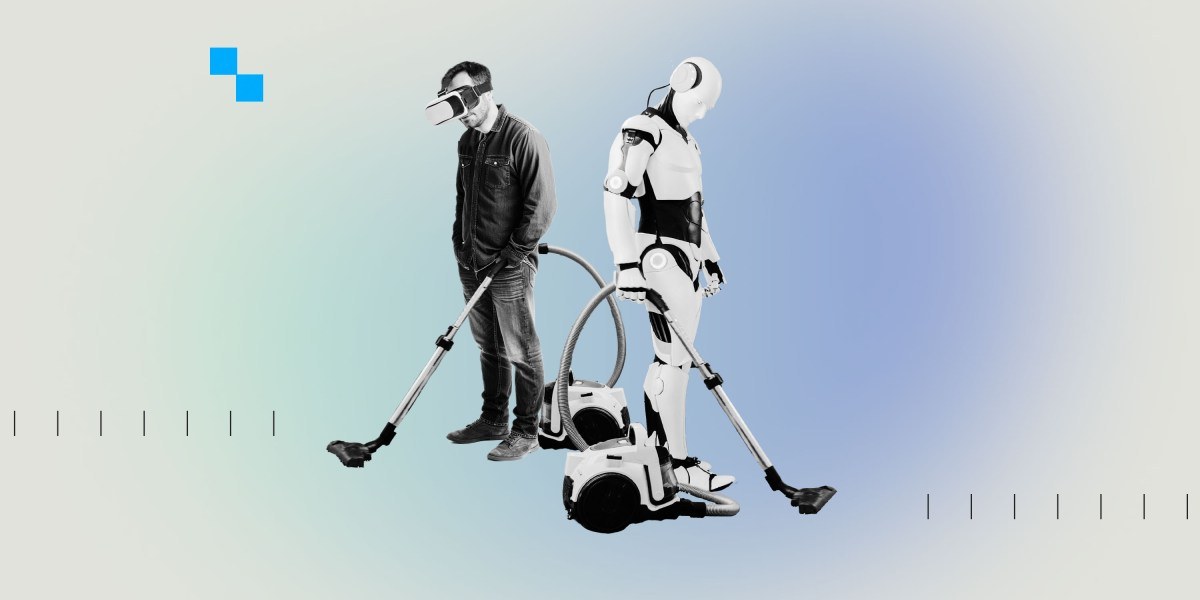
While giants like Tesla and Figure AI are investing billions in developing humanoid robots, their training often occurs far from the glitz of Silicon Valley, in developing nations. Tasks that once required costly simulations or extensive testing grounds are now reduced to smartphone recordings. Workers, contracted through platforms, such as a Nigerian student earning $15 per hour—a significant sum in his region—record themselves performing household chores like washing dishes or ironing clothes, creating invaluable datasets. American firm Micro1 has already established this process in over 50 countries, transforming everyday actions into fuel for AI aiming to imbue machines with human dexterity.
This outsourcing model is a clear way for tech titans to accelerate development and curb expenses. Instead of waiting years for results from their own expensive experiments, they receive 'live' datasets demonstrating real-world scenarios. However, beneath the surface of simplicity lies a complex web of ethical and operational issues. The privacy of personal data, the perfunctory nature of 'informed consent' from contractors, the absence of even a hint of standardized labor contracts, social security, and basic rights protection—all currently remain in a nebulous gray area. Residents of emerging economies get a chance to earn, risking their role as cogs in a global gig machine where the acute need for cheap labor easily devolves into exploitation and a lack of prospects.
Thus, a new class of remote workers is emerging: essentially 'trainers' for AI. Their work is monotonous, and their pay is negligible by Western standards. For companies choosing this path, the main headache is controlling the quality and consistency of data gathered by thousands of contractors under vastly different conditions. This is where intermediaries like Micro1 attempt to bring order, taking on some of the operational burdens. Yet, the task of maintaining uniformity and accuracy remains monumental. In our view, the ability to effectively manage these distributed armies of micro-tasks will become one of the key competitive advantages in the robotics market.
This model of distributed data collection is already doing more than just transforming the development of humanoid robots, making it faster and cheaper for industry leaders. It is actively shaping a new, potentially vulnerable segment of the global gig economy, drawing in developing countries. For CEOs, this means strategic investments may shift from building ever more powerful computing systems to constructing truly effective, and importantly, ethical networks for collecting real-world data. Ignoring the reputational and legal risks associated with contractor working conditions could lead to serious problems. Conversely, thoughtful management of these processes offers a direct path to sustainable competitive advantage.