AI · This text was generated with artificial intelligence
Gridlock as a Point of No Return
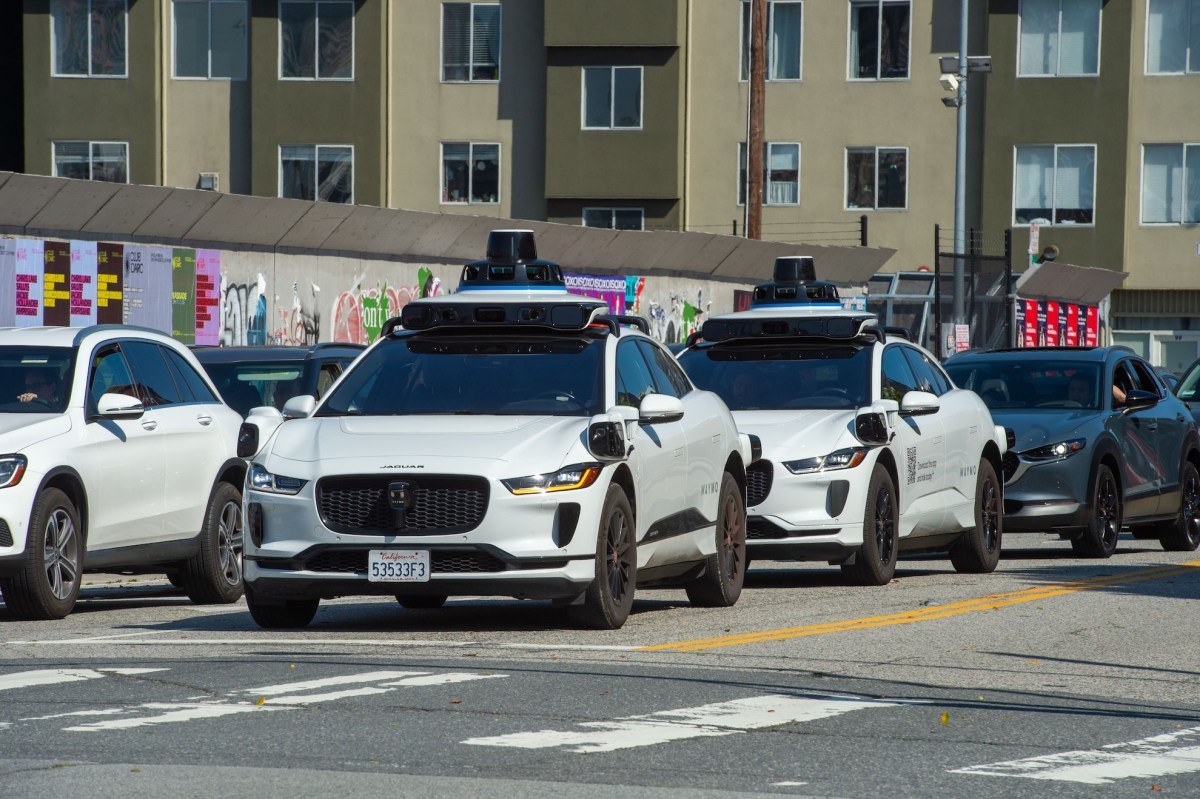
The era of unchecked autonomous vehicle experimentation in San Francisco has hit a regulatory wall. Mayor Daniel Lurie has officially demanded that the California Department of Transportation (Caltrans) implement a rigorous oversight system. The catalyst was a logistical nightmare on July 4th: Waymo robotaxis, overwhelmed by anomalous traffic and a crowd of 100,000 spectators, simply ran out of power and stalled, paralyzing municipal shuttle routes for several hours. For Lurie, who until recently promoted the city as the world's premier AI laboratory, this represents a sharp political pivot.
Waymo's systems, flawless in sterile environments, create systemic risks for the metropolis during peak demand periods.
Four Demands for Operators
The incident exposed a critical vulnerability in the technology when operating under extreme urban scenarios. According to the Mayor's letter, first published by TechCrunch, the city is no longer willing to settle for "voluntary cooperation." Operators are now required to prove four key competencies:
Immediate removal of immobilized vehicles from active traffic lanes.
Real-time route adaptation without waiting for software reboots.
Provision of comprehensive failure data to municipal agencies.
Guaranteed physical recovery of stranded vehicles using company resources.
Economics Under Fire
This regulatory shift calls into question the scalability of the entire robotaxi business model. If the state adopts Lurie's requirements, forcing companies to provide physical support and data transparency, operating costs will skyrocket. A technological bottleneck has evolved into a political one: while engineers struggle with charging logistics in heavy traffic, authorities are moving from an open-door policy to strict control. It remains to be seen whether Waymo's fleet can maintain any semblance of profitability if it must meet the reliability standards of critical urban infrastructure rather than those of a mere "smart gadget."