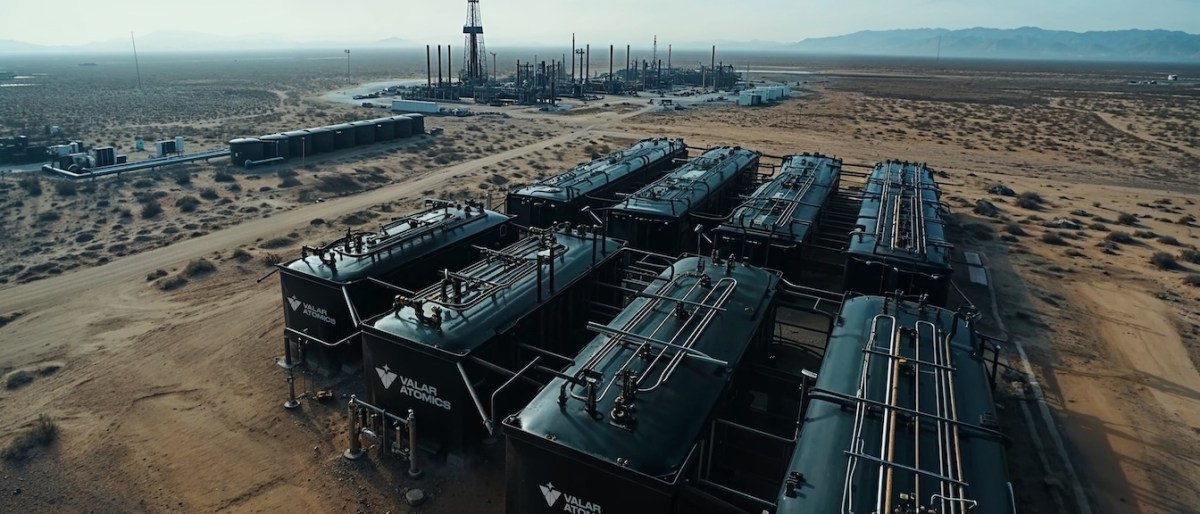
Silicon Valley is finally admitting that software cannot fix a broken power grid. Sequoia Capital is leading a massive $1 billion pivot into heavy infrastructure, anchoring a round that values Valar Atomics at $6 billion. Partner Shaun Maguire isn't just cutting a check; he’s taking a board seat to oversee what looks like a desperate, yet calculated, attempt to prevent the AI boom from hitting a physical ceiling. With an additional $200 million credit line from Erebor, this isn't just another startup investment—it is a strategic land grab for the primary energy source of future data centers.
The thesis is simple: traditional grids are too slow and too regulated to keep up with Nvidia’s roadmap. Valar Atomics isn't building another bespoke civil engineering nightmare. Instead, they are pitching the Ward 250 as a factory-made product, treating nuclear reactors like iPhones rather than cathedrals. The company claims their NOVA core took two years to develop, while the Ward 250 went from assembly to critical in just seven months. To prove it’s more than a PowerPoint deck, they’ve already powered an Nvidia Blackwell system and signed a deal with Jensen Huang’s empire to develop a 30MW waterless AI factory.
By bringing in heavy hitters like Point72 and Valor Equity Partners, Sequoia is attempting to bridge the gap between venture-scale returns and the grueling reality of nuclear regulation. The vision of producing thousands of reactors annually sounds like classic tech hubris, especially in an industry where safety margins are written in blood and red tape. However, the economic link is undeniable: if you don’t own the power, you don’t own the compute.
We are moving toward a vertically integrated future where 'Energy + Compute' is a single stack. While Valar Atomics talks about manufacturing energy as a commodity, they are still navigating a world far removed from high-margin software. Celebrating the powering of a single rack is a start, but the real test lies in whether factory-floor efficiency can survive the friction of the real world. For Sequoia, a $1 billion bet suggests they believe the alternative—waiting for the grid—is a guaranteed losing hand.