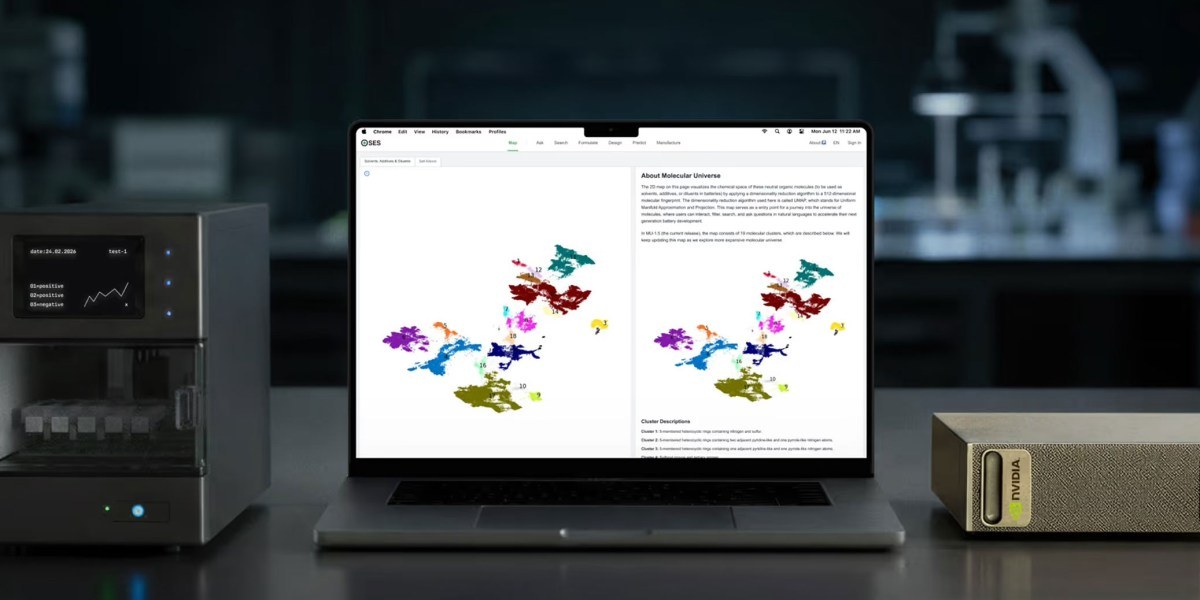
SES AI was founded by former MIT researcher Qichao Hu as a producer of lithium‑metal batteries for electric vehicles and the oil‑and‑gas sector. Rising raw‑material prices and stringent infrastructure requirements in Western markets made the traditional OEM model financially unsustainable, triggering a string of setbacks and forcing a complete strategic overhaul. The company abandoned plans for its own factories and pivoted to an AI‑discovery platform. The technology generates and validates chemical formulations 30–50 % faster than conventional laboratory methods, shortening new‑material development cycles and cutting capital outlays for pilot lines. Today SES AI sells small batches of batteries only to niche customers such as drone manufacturers, while the bulk of its revenue comes from licensing the AI platform. A steady stream of license fees has replaced the margin pressure of mass production and has virtually eliminated the need for costly factories. For you as a CEO this means that licensing AI‑discovery can slash CAPEX, accelerate market entry for novel chemistries, and shift focus to recurring service revenue rather than capital‑intensive manufacturing. Why this matters: Licensing transforms a high‑cost, low‑margin production model into a scalable, software‑driven business. It reduces upfront investment risk and creates predictable cash flow. You can redeploy resources from plant construction to customer support and rapid product iteration.
© The Value Engineering 2026
From Factories to Software: How SES AI Turns Battery R&D into a Licensing Goldmine
Former MIT researcher Qichao Hu pivots SES AI from costly lithium‑metal battery factories to a fast chemical‑formulation AI platform, boosting revenue through licensing and cutting CAPEX.
★
★
★
★
★