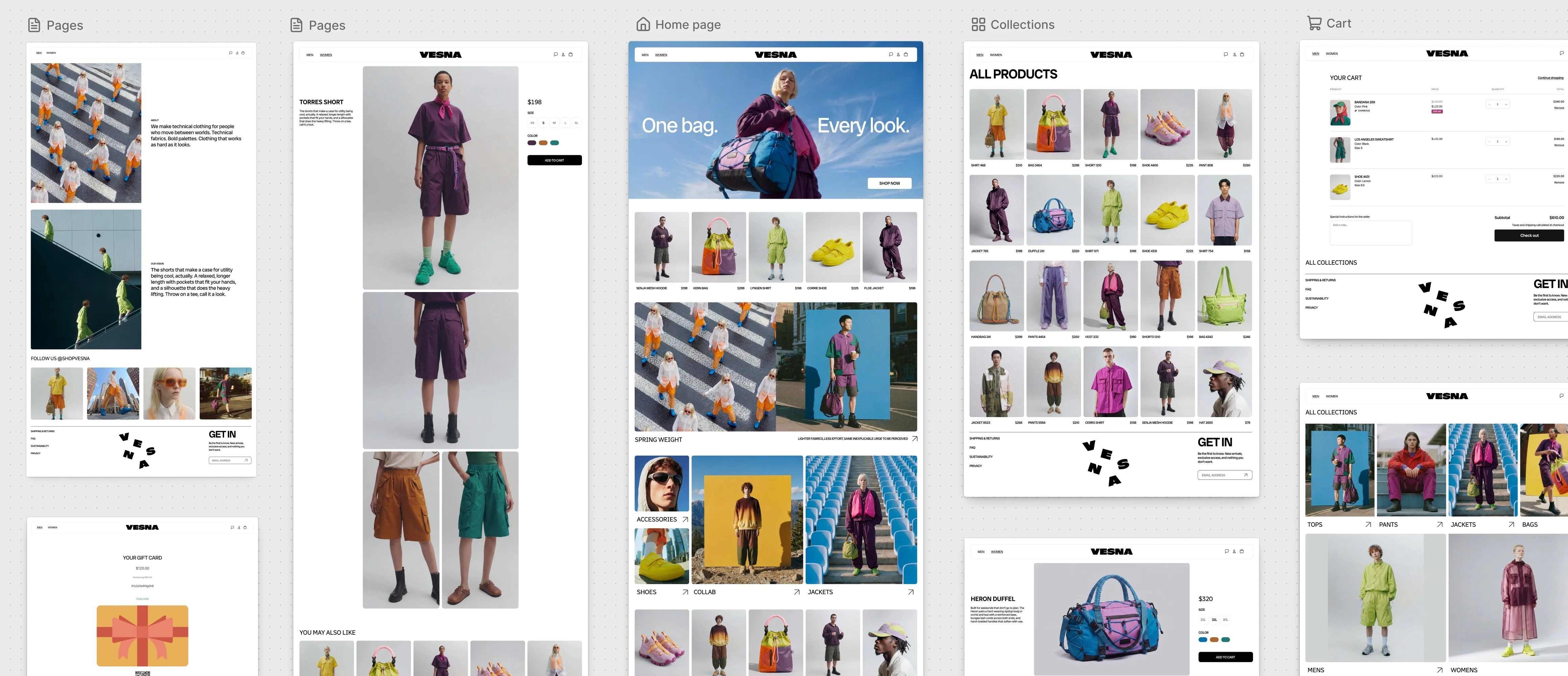
Shopify has rolled out Canvas, a site-building tool that lets merchants spin up entire storefronts through a conversational AI interface. This isn't just another incremental update to their existing dashboard. It marks a decisive technical departure from traditional modular page builders that rely on dragging and dropping pre-configured blocks, shifting the paradigm entirely toward prompt-driven code editing.
Real Code Rendering and Agent Vision
Canvas relies on Shopify's AI agent, Sidekick, which has already cut its teeth on writing code, building apps, and executing theme customizations. But instead of generating a disconnected mockup, Canvas renders real-time results so merchants can inspect the actual storefront as it takes shape. As Shopify frames it, this setup generates the real code behind the store rather than a static preview.
"this isn’t a static preview, but the real code behind their store being rendered, according to Shopify."
To keep the model synchronized with the visual output, Sidekick relies on a vision loop, taking screenshots of its own work to verify what the merchant sees. It’s a pragmatic way to close the feedback loop between raw code execution and visual verification during a live conversation.
Simplified Theme Architecture and Launch Boundaries
To make this conversational workflow actually function, Shopify had to radically simplify underlying theme architecture and grant Sidekick direct access to file systems. When file modification happens via natural language queries, routine storefront assembly stops being a billable service. Traditional web development agencies relying on basic theme customization retainers are staring down a rapidly shrinking market.
To be fair, Shopify has kept the initial rollout within strict technical boundaries. Canvas is strictly a desktop-only affair at launch, and third-party theme support, app blocks, extensions, markets, translations, and theme updates are entirely absent from the initial release.
Basic theme customization has officially completed its journey toward becoming a commoditized platform feature. If you run a small web agency that lives off basic setup fees, your business model is on borrowed time. Custom development will have to retreat entirely into heavy backend business logic and complex technical integrations, because pushing pixels around via chat is about to cost nothing.