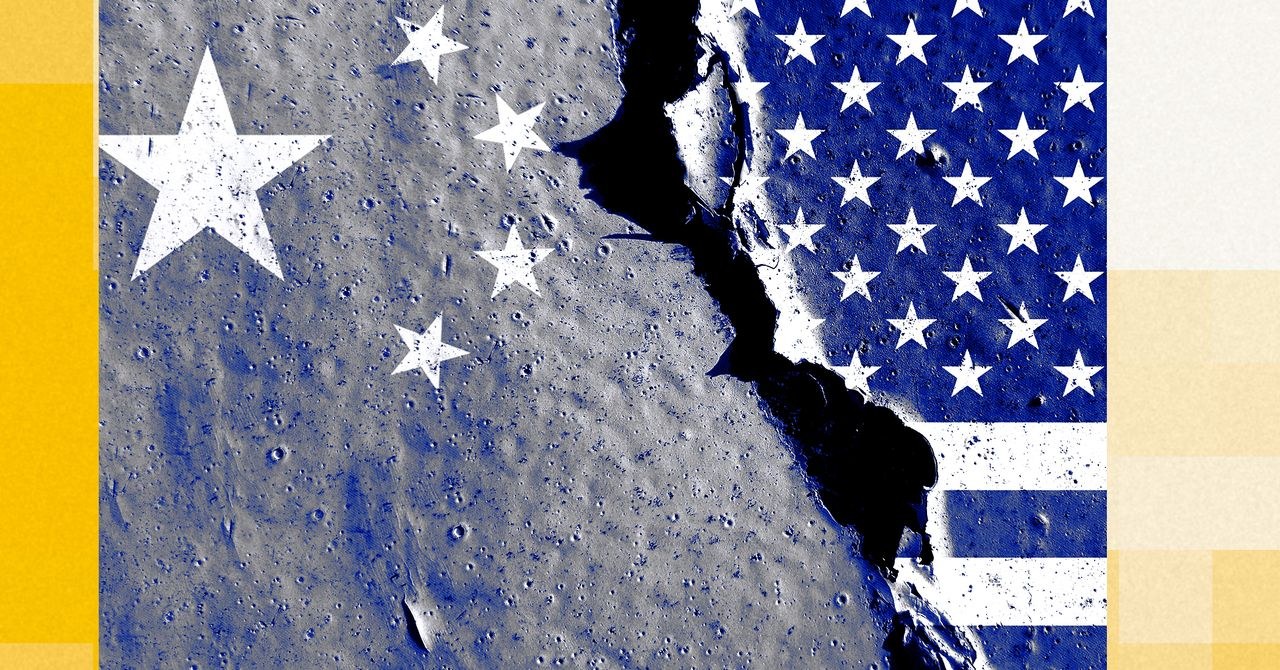
Silicon Valley is fracturing over a dirty little secret: the engines powering many of its hottest startups aren’t coming from San Francisco, but from Hangzhou and Beijing. Developers are increasingly caught between regulatory loyalty and the raw efficiency of Chinese open-weight models like Alibaba’s Qwen and DeepSeek. These systems don't just rival Western counterparts; in many benchmarks, they are simply eating their lunch.
This eastern surge has triggered a defensive reflex from the domestic incumbents. In June, Anthropic explicitly accused Alibaba of intellectual property theft via distillation—essentially training smaller models on the high-cost outputs of American proprietary systems. The White House has since turned up the heat, signaling its belief that Moonshot AI built its Kimi K3 model by mining Western tech. This creates a toxic environment for any CTO trying to integrate Eastern weights without being branded a security risk or an IP thief.
The industry is now split into two hostile camps. Frontier labs like OpenAI and Anthropic, hiding behind the veil of safety and guardrails, are lobbying for stricter regulations that conveniently protect their closed-source moats. Meanwhile, the 'Little Tech Association'—a coalition of over 200 startups backed by YCombinator—is fighting a desperate rearguard action. They recently lobbied the incoming Trump administration against a ban on foreign open-weight models, knowing full well that local innovation often relies on these high-performance, low-cost alternatives.
Investors are losing patience with the 'security' narrative. Benchmark Capital’s Bill Gurley argues that capital-constrained startups need these models to avoid terminal vendor lock-in. Chamath Palihapitiya was even more blunt on X, warning that using a 'China boogeyman' to protect the equity of a few thousand investors in elite labs is a strategic blunder that would hollow out the broader US startup ecosystem.
We are likely witnessing the birth of two isolated AI stacks. If regulators succumb to the pressure of the big labs, the market will segetate: one side will have 'sanitized' but expensive domestic models, while the other—likely global—will leverage the ruthless efficiency of Chinese weights. For the American business owner, the choice is becoming a zero-sum game: fall behind technologically by following the rules, or risk federal scrutiny by choosing the best tool for the job.