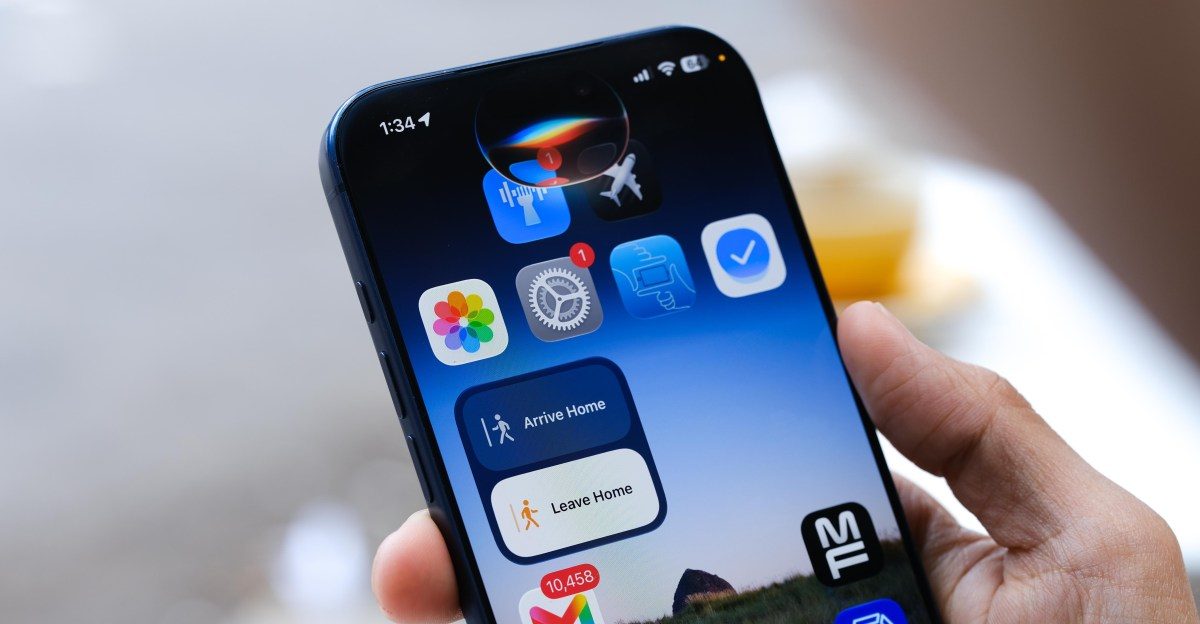
Apple announced that developers can integrate Siri AI's new capabilities across all applications as part of the iOS 27.3 update rolling out on Tuesday. The deployment allows the system voice assistant to perform actions directly across third-party software, drawing on personal user context, processing natural language prompts, and relying on on-screen awareness to carry out instructions.
According to the assessment of 9to5Mac, prior to this update Apple provided third-party software developers with only a limited set of features. Moving execution layers to a platform-level agent dismantles traditional app navigation and isolates end users from direct brand touchpoints.
Automated Skills and Brand Dilution
Under the new Developer Preview architecture, engineers gain access to an app skills capability that bundles several distinct tasks into a unified execution flow. In Apple’s developer documentation, the company states that customers will no longer have to speak an application's name when issuing a command if the service is already active in the foreground, operating via a Live Activity, or involved in an ongoing dialogue with Siri AI.
"For example, a person might request a ride with a ride share app, follow updates to the app’s Live Activity while they wait for their ride to arrive, then request to move the pickup location to a different address by saying 'Hey Siri, change my ride pickup to a new address,'"
Apple detailed this execution flow to illustrate how users can alter parameters without identifying the underlying provider. Will software companies willingly trade interface visibility for autonomous API calls?
Developers face the reality of losing direct engagement metrics and branded interface exposure, yet opting out risks exclusion from the primary operating system execution loop.
Native Integration Across the Core Ecosystem
Apple is simultaneously deploying Siri AI's expanded toolset across its own native suite. The integration covers Calendar, Files, Finder, Journal, Mail, Maps, Messages, Music, Notes, Photos, Preview, Reminders, Safari, Shortcuts, and Weather.
"Users can do things like find a coffee shop they visited last week or archive files that haven’t been opened in over a year,"
According to Apple, these system queries demonstrate how deep contextual indexing handles tasks across core utilities. Apple also notes that users can directly ask Siri AI what actions it can execute inside each application.
While Apple pitches a frictionless operating system where users trigger complex multi-step workflows without remembering brand names, the actual framework requires third-party builders to maintain backend logic while the platform owner captures user intent, context, and operational control.
What came before
The platform owner takes full control over the user dialog, leaving businesses with backend compute costs and zero interface visibility. Service providers are forced into a brutal trade-off between losing direct engagement and facing total exclusion from the system workflow. Will software businesses find a way to preserve brand value and direct customer relationships when iOS 27.3 hides their interfaces behind autonomous API calls?
Our stories: Apple to Charge for Advanced Siri via iCloud Plus (August 1).