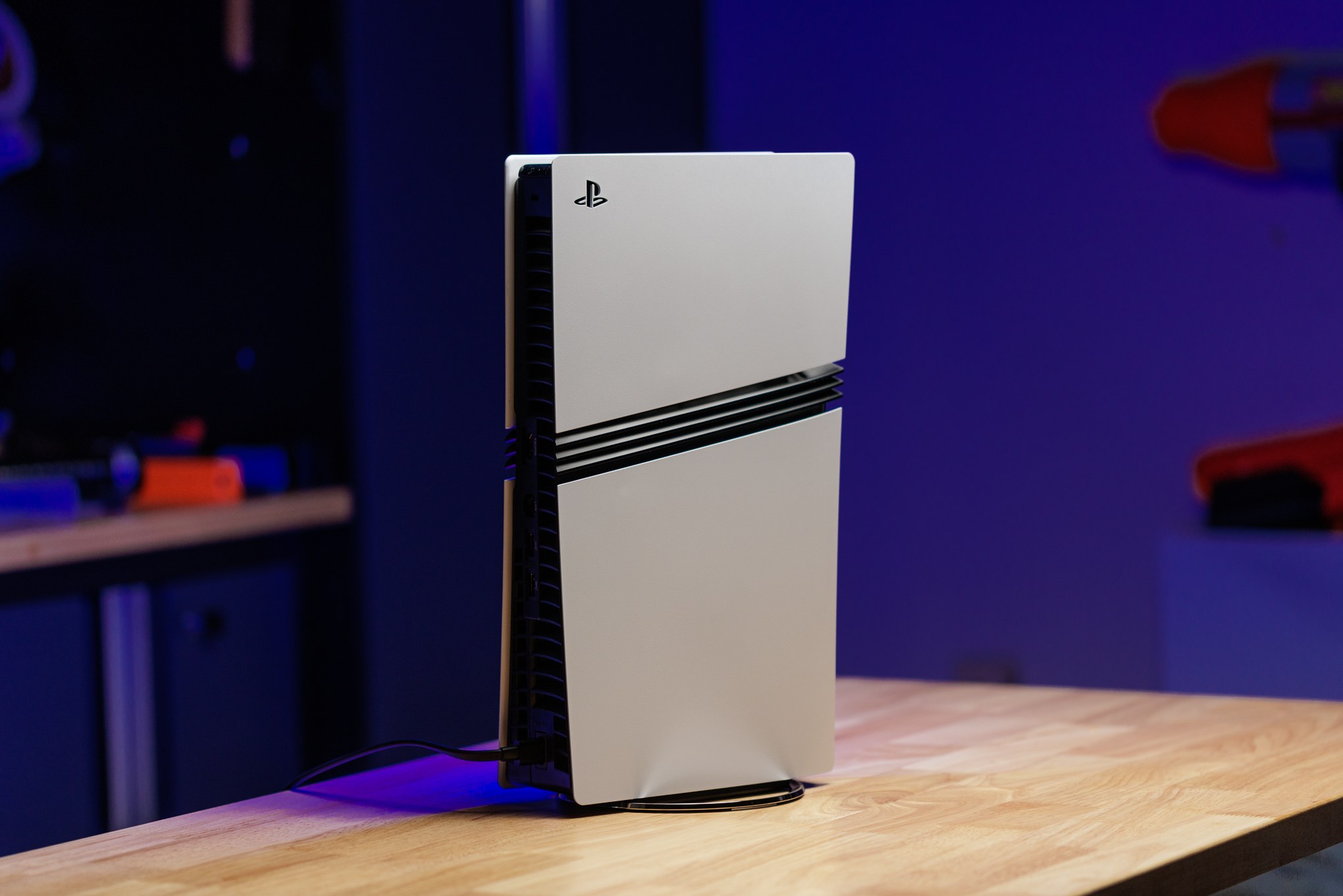
Sony has officially acknowledged that current AAA development budgets are unsustainable, prompting a strategic pivot toward integrating generative AI across PlayStation Studios. This shift comes as the Japanese giant faces a 46% year-over-year slump in PS5 console sales—a decline exacerbated by controversial pricing decisions. Leadership now views automation as the primary lever for protecting margins, transforming the bespoke craftsmanship of studios like Naughty Dog and Santa Monica into a high-tech industrial pipeline.
At the heart of Sony’s tech stack is "Mockingbird," a tool designed to instantly process motion capture data and generate facial animations. What used to take artists weeks is now handled in seconds. The Horizon Zero Dawn remaster served as an early test case for this automated workflow. Beyond animation, the company is targeting quality assurance (QA) and 3D modeling for optimization, aiming to slash production cycles that have bloated to an industry-standard 5–7 years.
However, the corporation is walking a tightrope: enforcing industrial-scale automation without alienating its creative elite. Official reports claim AI is merely a tool to empower talent, insisting that the "emotional core" of games remains a human endeavor. Yet, these assurances feel like a preemptive strike against labor unions as the trend toward reducing billable hours accelerates. Collaborative tests with Bandai Namco further underscore this direction; while neural networks currently lack pinpoint precision, their sheer speed already justifies the implementation costs.
For investors, the central question remains: will AI fuel more ambitious world-building, or is it simply a mechanism for radical downsizing? As animation production time shrinks from hours to seconds against a backdrop of falling hardware sales, the priority seems clear. We are witnessing a classic Total Cost of Ownership (TCO) optimization play, where the drive to cut operational expenses is beginning to outpace gameplay innovation.