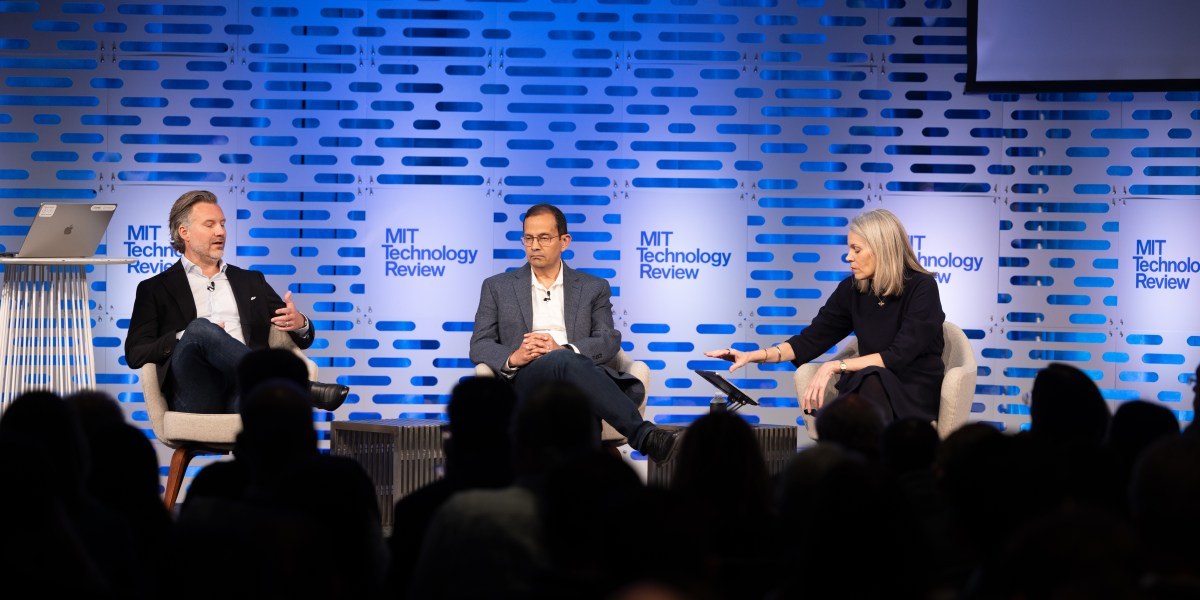
The era of mindless AI outsourcing to the cloud is drawing to a close. What began as a convenient way to "test the waters" with neural networks has evolved into a risky dependence on proprietary APIs and the whims of tech giants. Today, data control is no longer a technical preference; it is a matter of survival. As HPE Vice President Chris Davidson notes, major enterprises are increasingly opting for the "AI Factory" model. This shift involves more than just purchasing servers—it is an effort to build sovereign infrastructure where every byte of information remains under lock and key rather than feeding a competitor's models.
In our view, the concept of Sovereign AI is far from a buzzword reserved for the public sector; it is a pragmatic response to the threat of vendor lock-in. When you build your business on a third-party API, you are building a castle on rented land. Arjun Shankar of Oak Ridge National Laboratory emphasizes that modern research is focused on scalable computing that bridges the gap between data science and physical production. In business terms, owning the full data stack is the only way to guarantee the accuracy and security of AI outputs. Without in-house hardware and control over information flows, the reliability of neural network results remains questionable.
However, one shouldn't be misled: buying a rack of GPUs doesn't automatically transform a company into a tech leader. The pitfall of the "AI Factory" is that owning infrastructure and knowing how to manage it are two very different challenges. Tech vendors are aggressively selling promises of total autonomy and seamless management, but the reality is harsher. Most companies stumble when trying to establish high-quality internal data pipelines. Shifting the stack to on-premises facilities transforms AI from an operating expense into a strategic asset—but only if leadership is willing to invest in human talent rather than just hardware. Cloud naivety is finally giving way to harsh infrastructural realism.