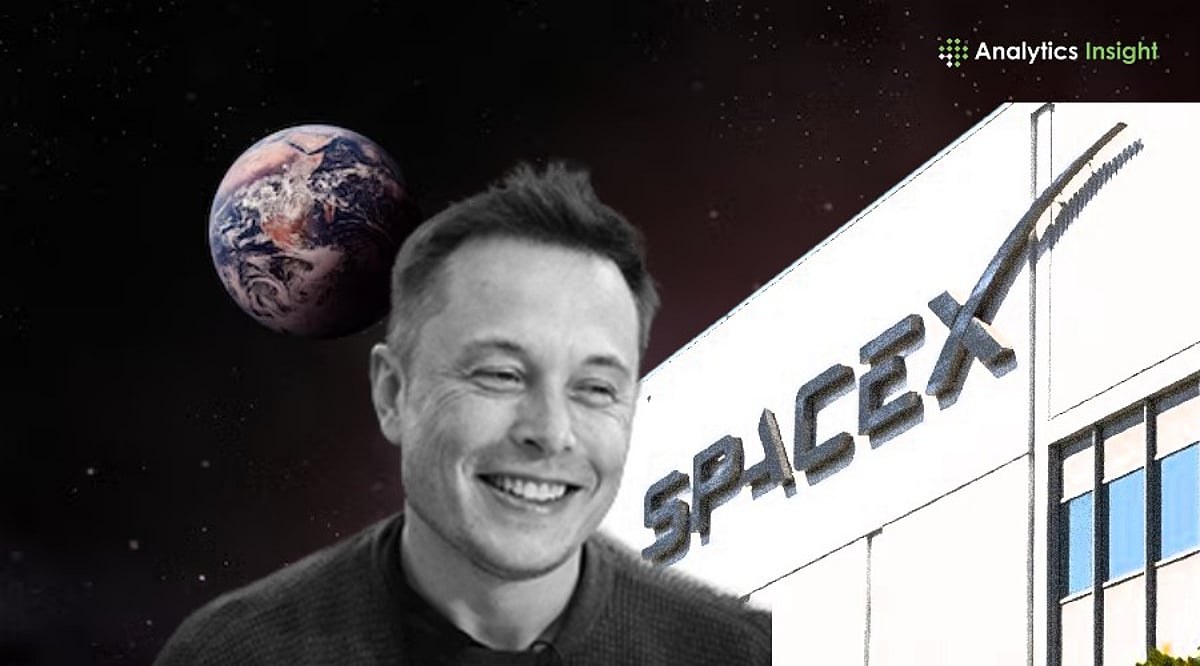
In Texas and Tennessee, a closed three-day marathon for analysts is concluding — SpaceX is laying the groundwork for the largest IPO in history with a $75 billion target. As reported by Reuters, the market debut is scheduled for late June, and it is not just an attempt to raise capital, but an official change of role. Following the February merger of SpaceX with xAI, Elon Musk has definitively turned the company from a space carrier into the foundation for his neural network empire. The combination of rocket power, Starlink satellites, the X social media platform, and the Grok chatbot turns the orbital constellation into a global data bus for distributed computing.
Financial reports presented to Wall Street look like a classic Musk-style all-in gamble. The company carries liabilities of more than $50 billion despite having approximately $24.7 billion in cash on hand at the end of 2025. Operating losses are rising alongside construction, but investors are being persuaded that these expenditures are the inevitable price for creating infrastructure for autonomous systems. A key element of the presentation was the "Macrohard" project at the Tennessee data center, which is intended to evolve Starlink from a simple internet provider into a decentralized computing environment. Musk no longer wants to just trade traffic — he plans to sell capacity.
In our view, we are witnessing the birth of a vertically integrated AI giant. For business, this is a clear signal: the race for AI dominance has moved into space. The speed and reach of autonomous systems will now depend on the ability to process data at the edge of the global network. Investors must decide if they are ready to sponsor Musk's giant financial vacuum for the sake of owning a one-of-a-kind hardware stack on which next-generation intelligence will run.