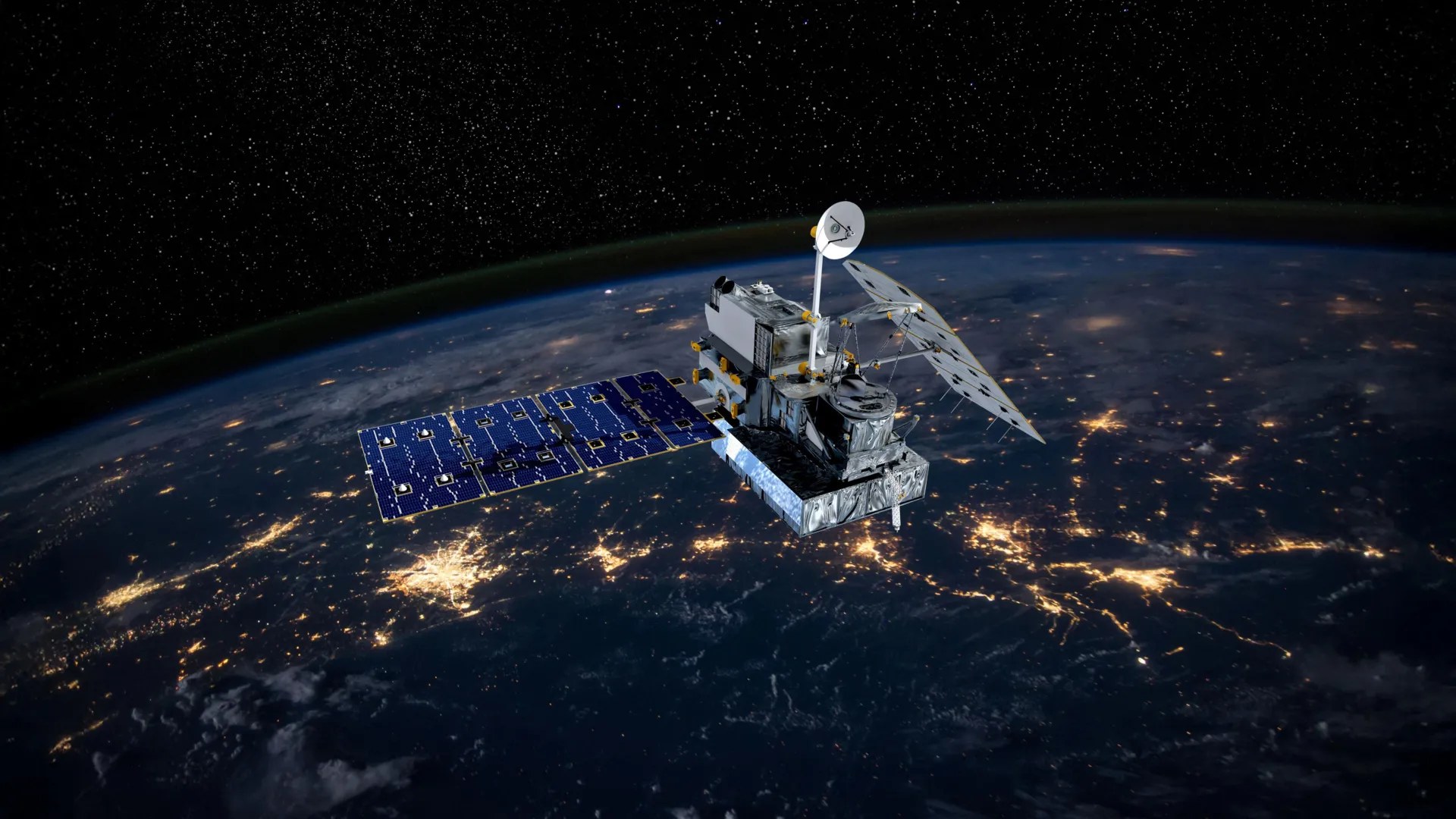
SpaceX is methodically evolving beyond its role as a mere launch provider. The company is transforming into a full-cycle monopolist, aiming to control energy, connectivity, and compute within the burgeoning space economy. According to experts cited in a report for *The Conversation*, the race to deploy orbital data centers isn't about the novelty of the location; it's a strategic move to bypass terrestrial limitations. As ground-based data centers struggle with power grid shortages, water scarcity for cooling, and the weight of carbon taxes, space offers unlimited solar exposure and zero land-use conflicts.
However, deploying industrial-scale AI inference in a vacuum is a brutal engineering challenge, not just a logistical one. The central paradox is that while energy is abundant in space, disposing of it is catastrophically difficult. Electronics generate immense heat, and the absence of convection in a vacuum turns cooling into a technological nightmare. Factor in radiation-induced chip degradation and the risk of a high-cost server turning into a cloud of orbital debris, and the venture is far from a walk in the park.
The goal is to process data directly in orbit, providing autonomous systems with minimal latency by eliminating the need to "ground" traffic on congested terrestrial servers.
Investor excitement surrounding a potential SpaceX IPO is fueled precisely by this bet on integrated infrastructure, rather than just the launch frequency of Starship. By combining power generation, Starlink connectivity, and local edge computing, Elon Musk is building a vertically integrated utility platform.
Key Pillars of the Space Computing Strategy:
Energy Sovereignty: Moving away from terrestrial grids toward the direct conversion of photons into tokens in orbit. Latency Minimization: Processing data at the point of generation without relying on ground-based infrastructure. Solving the Cooling Crisis: The primary hurdle where the vacuum must be transformed into an efficient radiator for silicon.
For the tech industry, space is transitioning from a distant destination to a functional computing layer. The winner of this race will be the one who solves the thermoregulation equation first, turning the cold void into an ally for high-performance systems.