AI · This text was generated with artificial intelligence
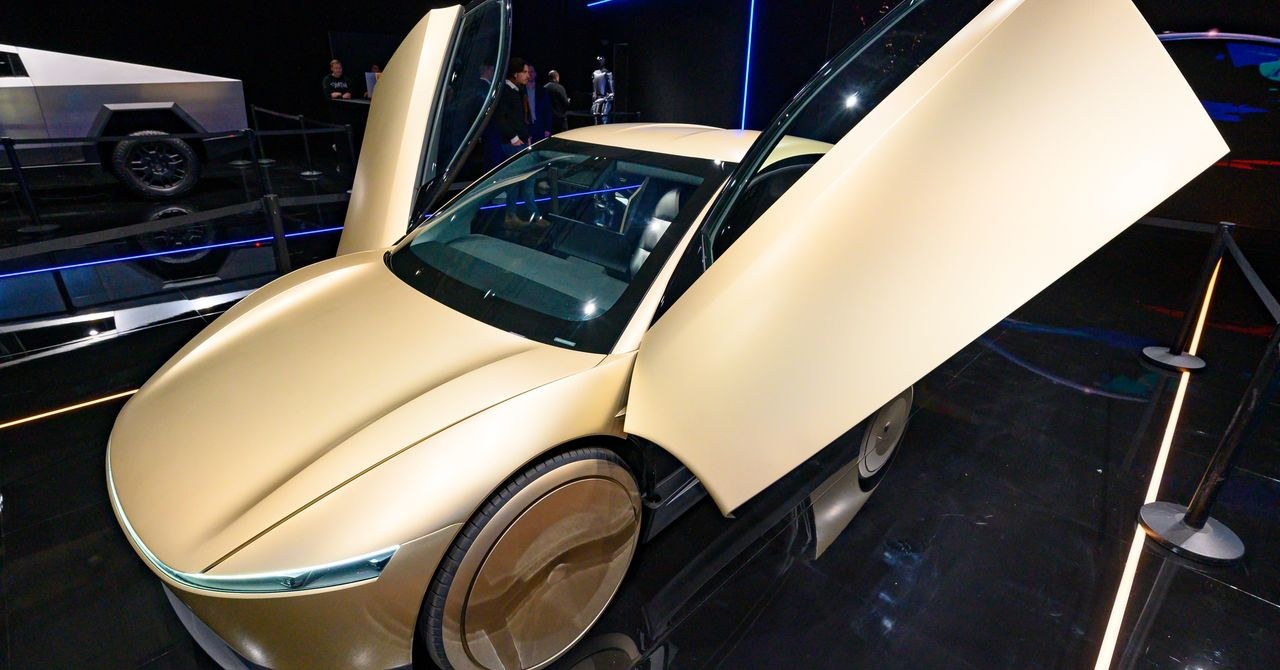
Tesla is pushing its bespoke Cybercab onto public roads in Austin, betting that brute-force deployment will outpace federal safety bureaucracy. The vehicle—a purpose-built two-seater stripped of steering wheels and pedals—serves as the flagship hardware for Tesla's commercial Robotaxi network across Texas and Florida. Yet while Tesla aims to undercut rivals like Waymo and Cruise through unconstrained fleet scale, the US National Highway Traffic Safety Administration (NHTSA) is demanding proof that the cabin design actually meets federal crash and operating standards.
Regulatory Frameworks and Compliance Clash
Federal automotive safety benchmarks remain fundamentally anchored in legacy mechanical architecture. NHTSA is in the process of overhauling standards to ease driverless commercialization by rewriting rules governing manual controls, windshield wipers, and physical rearview mirrors. Until those statutory reforms clear the register, however, the old baseline governs the pavement.
Amazon-backed Zoox took the orthodox route, securing an official federal waiver that capped its pedal-free fleet at 2,500 vehicles this year. Tesla, true to form, bypassed the exemption petition entirely, asserting its hardware complies with all existing safety mandates as engineered. That unilateral posture triggered NHTSA's formal Audit Query to dismantle the data and internal methodology behind Tesla's self-certification.
NHTSA Administrator Jonathan Morrison made the agency's baseline clear:
"We need to ensure that all of our laws are followed."
Ann Carlson, former acting NHTSA administrator and current UCLA law professor, described Tesla's refusal to pursue a standard exemption pathway as gobsmacking, signaling growing regulatory fatigue with Austin's shoot-first-and-settle-later posture.
Enforcement Precedents and Fleet Scale
For enterprise operators, regulatory exposure translates directly into balance-sheet liabilities. NHTSA holds statutory authority to force physical redesigns, mandate software overhauls, or levy civil penalties severe enough to derail unit economics. Precedents illustrate the cost of noncompliance: Volvo Group North America took a $130 million fine in 2023 over recall process failures, coupled with three years of mandatory third-party operational auditing.
Elon Musk has pitched Tesla's valuation on its transition from legacy auto manufacturing to pure-play robotics and autonomous software. State records indicate Tesla has just 45 Cybercabs operating in Texas against an internal target of millions. If NHTSA forces retrofit mandates or caps fleet sizes, the cost curve of Tesla's autonomous ride-hail economics will buckle long before the network achieves density.