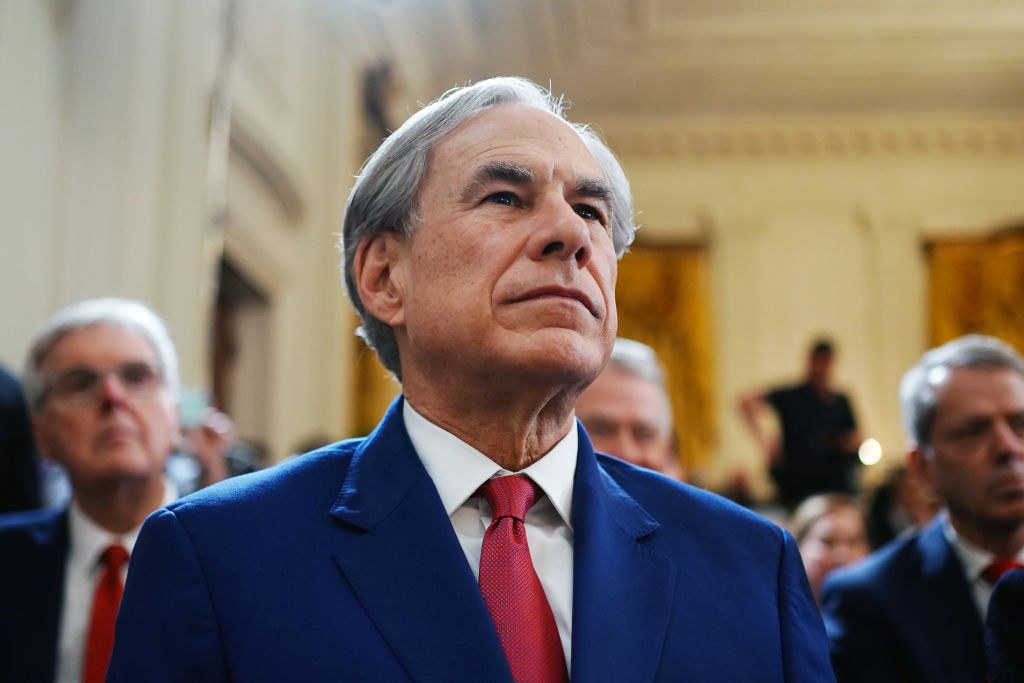
Texas is officially closing its doors to the era of 'frictionless' infrastructure growth. Governor Greg Abbott has pulled the plug on the state’s wild-west expansion by mandating that the Public Utility Commission of Texas (PUCT) and ERCOT audit every new data center project. For the AI industry, this isn't just another regulatory hurdle; it is a tactical pause that signals the end of Texas as a predictable sanctuary for cheap, unchecked scaling.
The state’s isolated power grid is buckling under the sheer weight of AI-driven demand. After a voluntary survey on resource usage was met with stony silence from the industry, the governor shifted to a forced disclosure regime. Companies must now hand over granular data on electricity and water consumption, ownership structures, and their use of tax incentives. This isn't about transparency for its own sake—it's about survival for a grid that wasn't built to sustain the silicon gold rush.
The numbers from ERCOT describe a system in a state of administrative collapse. The interconnection queue has more than doubled since January, ballooning from 233 GW to a staggering 474 GW. Data center requests represent 90% of this backlog, a volume five times larger than ERCOT’s total peak demand. Despite a fourfold increase in solar capacity over the last four years, the math simply doesn't add up for civil stability and industrial appetite to coexist without friction.
For executives, the message is clear: the Texas discount has expired. The transition from a deregulated mecca to a strictly audited zone forces an immediate rethink of CAPEX strategies. Relying on a single, fragile regional grid is no longer a viable plan. Diversifying site selection across independent power jurisdictions is the only way to hedge against a regulatory environment that has finally realized its resources are finite.