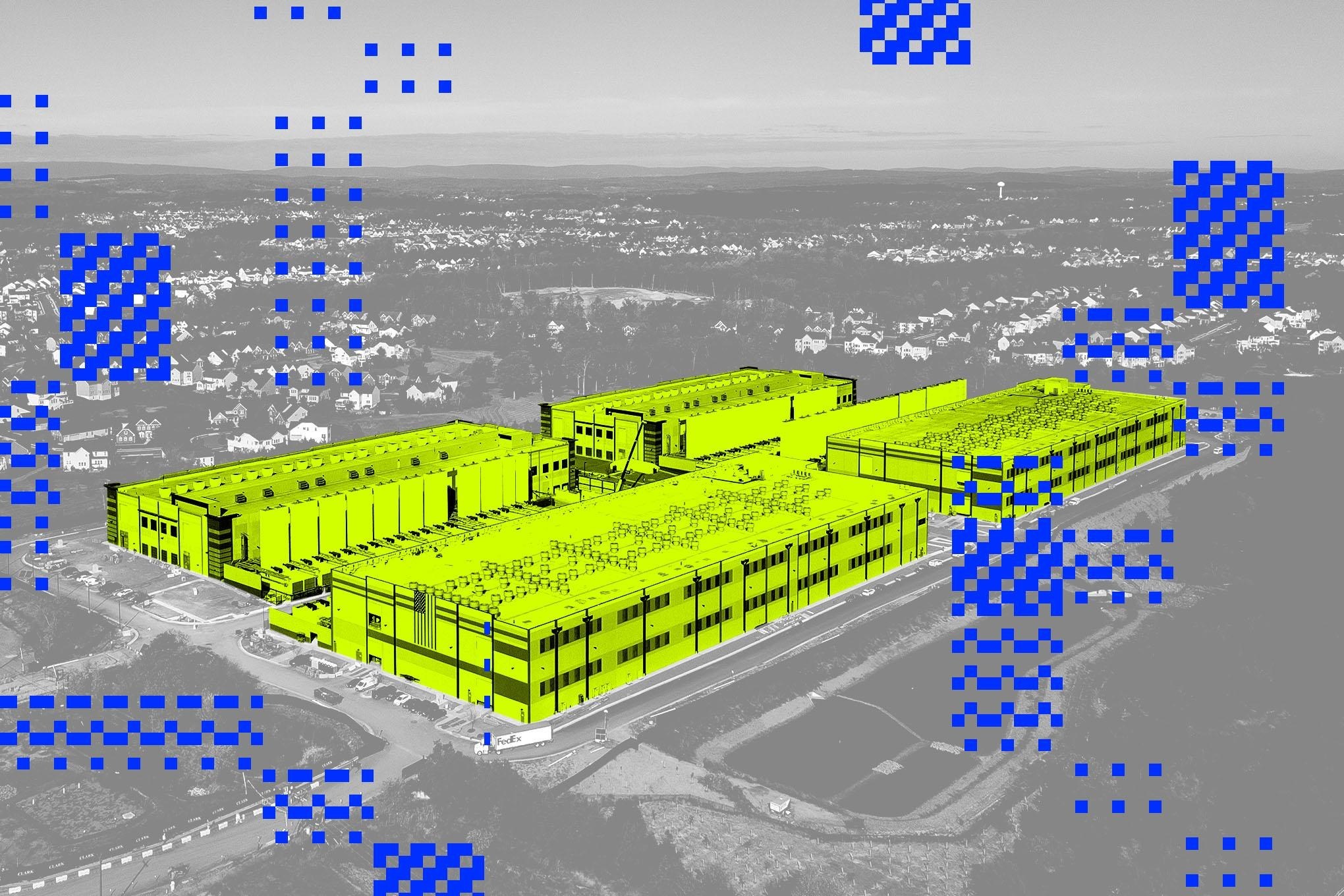
Texas is officially closing its doors to the era of unchecked digital sprawl. Governor Greg Abbott has ordered the Public Utility Commission of Texas (PUCT) and ERCOT to subject every new data center proposal to a mandatory audit. For years, the state parlayed minimal regulation into becoming the second-largest data center market in the U.S., but the math no longer adds up. For enterprise leaders and infrastructure investors, the 'Texas miracle' of frictionless scaling has hit a regulatory wall built to prevent a total collapse of the state’s fragile energy grid.
The Mechanics of Infrastructure Friction
The Abbott directive effectively turns the ERCOT connection process into a forensic investigation. Developers can no longer hide behind vague projections; they must now disclose granular data on water consumption, specific cooling sources, and every state or local tax incentive they’ve managed to pocket. This isn't just about resource management—it’s a move to strip away the anonymity of hyper-scalers. By forcing operators to outline community impacts like noise and local grid strain, the state is introducing the kind of 'red tape' it once mocked in other jurisdictions. This shift introduces massive lead-time uncertainty for high-performance computing projects that need to be online yesterday.
The review is needed to keep the grid stable and reliable as ERCOT considers over 474 gigawatts of requests to connect to Texas’ grid.
To put that figure in perspective, 474 gigawatts is more than five times the state’s all-time peak demand. It is a mathematical hallucination to think the current infrastructure can absorb this. With data centers accounting for roughly 90 percent of all new power requests, the state has realized that the industry’s hunger for AI compute is cannibalizing the grid's stability. While a few outliers in El Paso or those opting for total on-site generation might dodge the audit, the 248 planned projects currently in the pipeline are now stuck in an undefined regulatory purgatory. This bottleneck will inevitably inflate the cost of compute for any business relying on Texas-based clusters.
Market Shifts and Energy Autonomy
Texas following New York’s lead on data center moratoriums signals a rare moment of bipartisan consensus: the tech industry’s utility demands have become a liability. The requirement to audit tax incentives suggests the fiscal honeymoon is over. Texas is no longer viewing these facilities as 'must-have' economic engines but as resource-heavy burdens that must justify their existence. This tightening of the environment will likely trigger a capital flight to regions with faster permitting or, more interestingly, accelerate the industry's pivot toward radical energy independence, such as small modular reactors and off-grid nuclear power.
There are currently at least 335 data centers operating in Texas, with another 248 facilities in the planning stages facing this new regulatory hurdle.
The strategic takeaway for the C-suite is clear: the days of relying on a single, low-regulation geography to host the backbone of AI transformation are finished. If Texas, the bastion of deregulation, is pulling the emergency brake, the cost of infrastructure is no longer just a CAPEX line item—it’s a geopolitical and stability risk. Businesses must now bake 'grid unpredictability' into their long-term AI roadmaps or prepare to pay a premium for the remaining stable capacity in the market.