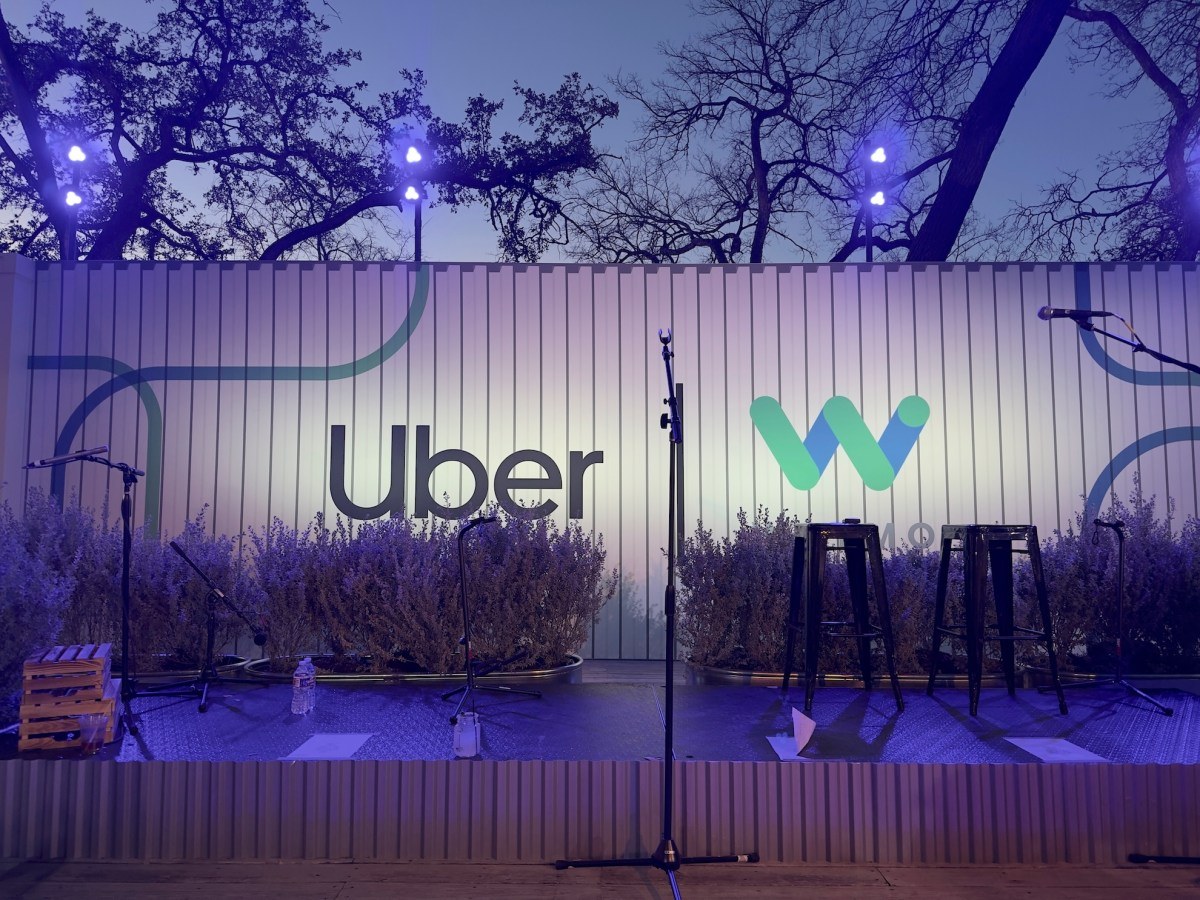
Uber has officially pivoted from autonomous driving enthusiast to the industry’s chief saboteur. In Washington, D.C., a bill designed to legalize commercial driverless rides has become a battlefield between Uber and its nominal partner, Alphabet-owned Waymo. The legislation, introduced by Councilmember Charles Allen, seeks to update a 2012 law to allow autonomous vehicles (AVs) to operate without safety drivers. While Waymo views this as a path to scaling, Uber has launched an aggressive lobbying campaign to legislatively cement its role as the "eternal middleman."
The Forced Hybrid Strategy
Uber is no longer satisfied with simply hosting Waymo vehicles on its app. The company is now demanding that all AV developers be legally mandated to operate exclusively through hybrid platforms. According to public reports and TechCrunch data, Uber is pushing for regulations that would effectively ban robotaxis from operating as independent services. Javi Correoso, Uber’s head of U.S. public policy, stated during a D.C. Council hearing that a "first-party only" approach—where an AV maker launches its own proprietary app—would allegedly destabilize the urban environment. Under the guise of protecting driver livelihoods, Uber is attempting to codify a system where no autonomous vehicle can take an order without paying Uber a commission.
"I believe that needs to be part of the regulatory framework for the industry. There should be a requirement that a consumer always has the choice of an Uber with a human driver," argues Uber's Javi Correoso.
This ultimatum is a classic defensive maneuver against the creation of autonomous networks unburdened by aggregator fees. Uber’s argument relies on a manipulative premise: claiming that one robotaxi displaces four human drivers and increases congestion by roaming empty. By insisting on the user's right to choose between a robot and a human within a single interface, Uber is trying to outlaw business models that simply have no use for Uber's services.
Regulatory Barriers and the Economics of Survival
The events in Washington are not a local bureaucratic skirmish; they represent a precedent that will define the future of the entire U.S. autonomous transport industry. The conflict exposes a fundamental question: will urban regulation protect legacy platform monopolies, or will it allow for the emergence of vertically integrated services? While Waymo maintains that the bill should support transit accessibility without Uber’s restrictive mandates, the political scales are tipping toward a forced market divide.
If the bill is passed with Uber’s amendments before Mayor Muriel Bowser leaves office in January, robotaxi operators will find themselves held hostage by aggregators. Instead of technological competition, we will see a market where the right to innovate is granted only to those willing to feed the middleman. For investors, this is a clear signal: the value of autonomous driving technology could be neutralized by regulatory barriers built to salvage the loss-making model of traditional ridesharing.