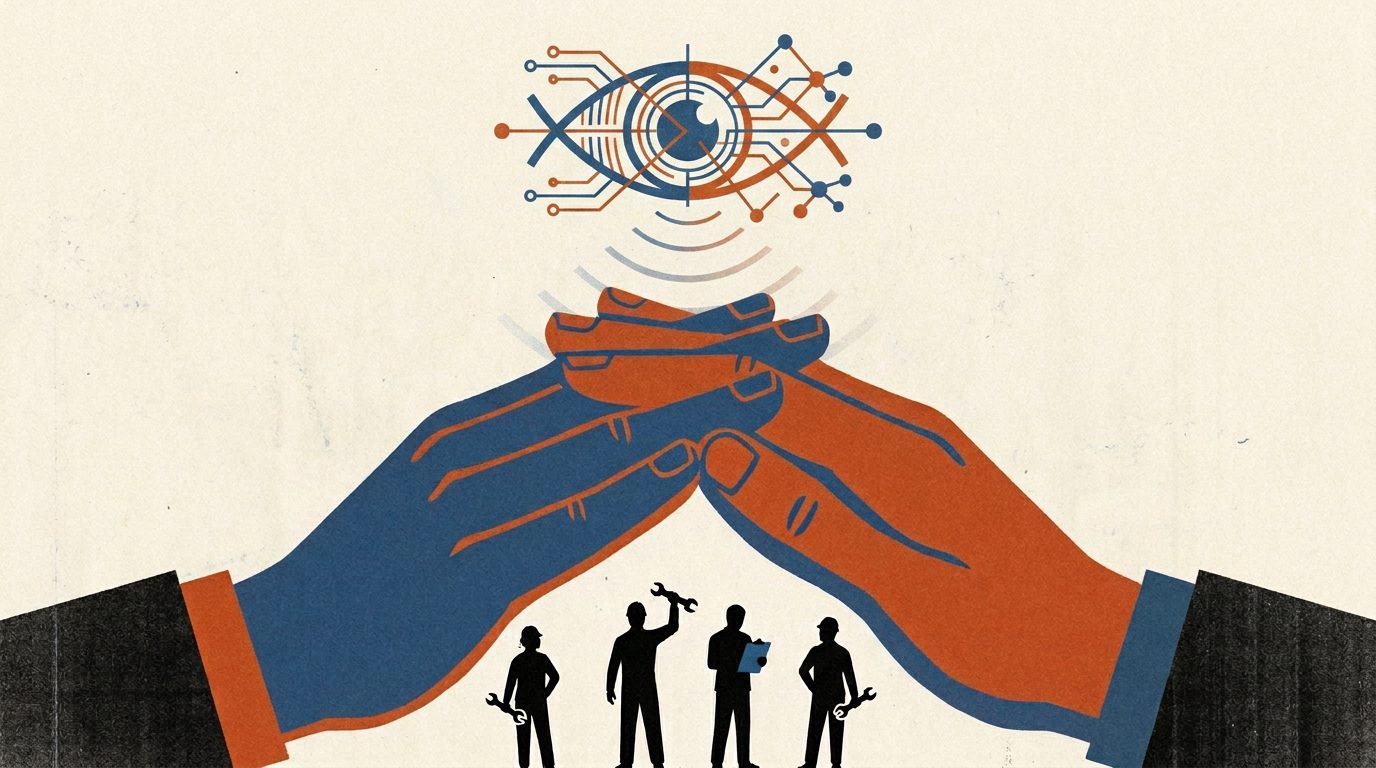
Nearly 70 percent of US government agencies already use generative AI, according to an Ernst and Young survey, moving software pilots directly into public administration. Employers are pushing automation to cut costs, as labor researcher Kung Feng at UC Berkeley notes. Yet this operational rollout has triggered an organized legal and contractual counter-offensive across jurisdictions.
US public-sector unions are winning more protections against AI surveillance and automation-driven job losses. What remains unresolved for administrators is whether operational automation can actually cut expenditures when public-sector unions enforce mandatory oversight on each tool. The rush to secure software efficiencies is transforming into legal obligations that redirect administrative spending into compliance frameworks, leaving the core question of headcount cost reduction largely unanswered.
Union Pushback and Statutory Limits
Contractual concessions are already reshaping operations across municipal and state offices. After a strike vote in October, IFPTE Local 21 in Oakland secured retraining programs instead of AI-related layoffs. In Pennsylvania, Governor Josh Shapiro guaranteed SEIU Local 668 human oversight during a pilot of OpenAI's ChatGPT Enterprise.
In Pennsylvania, Governor Josh Shapiro guaranteed SEIU Local 668 human oversight during a pilot of OpenAI's ChatGPT Enterprise.
Similar limits have curbed hardware rollouts. The Transport Workers Union in Ohio won veto power over autonomous vehicles. Union leaders like Liz Shuler of the AFL-CIO, Lorena Gonzalez, and TWU's John Samuelsen support AI safety systems where they help workers, but they insist on mandatory human control over every AI application in the workplace, as the Guardian reports.
State legislatures are codifying these restrictions. California Governor Gavin Newsom banned AI surveillance software, often called "bossware," along with automated firings in September. New York has protected state employees from AI displacement by law since late 2025. Employers pursuing labor savings discover that every automated seat retains a mandated human operator, transforming projected budget reductions into ongoing payroll obligations.
Against the field
While private firms quietly saw junior headcount shrink by 9 percent after adopting generative algorithms, public agencies ran headfirst into collective bargaining agreements. Officials banked on quick budget cuts from routine automation, yet unions pushed back with mandatory human-oversight clauses for every single deployed system. Rather than reducing staff costs, municipal balances now shoulder retraining budgets and round-the-clock compliance monitoring. The hope of trimming payroll through corporate software licenses ended in a legal mandate to pay human supervisors for watching the algorithms work.
Our stories: AI Automation Cuts Junior Jobs by 9 Percent in Enterprises (September 10).