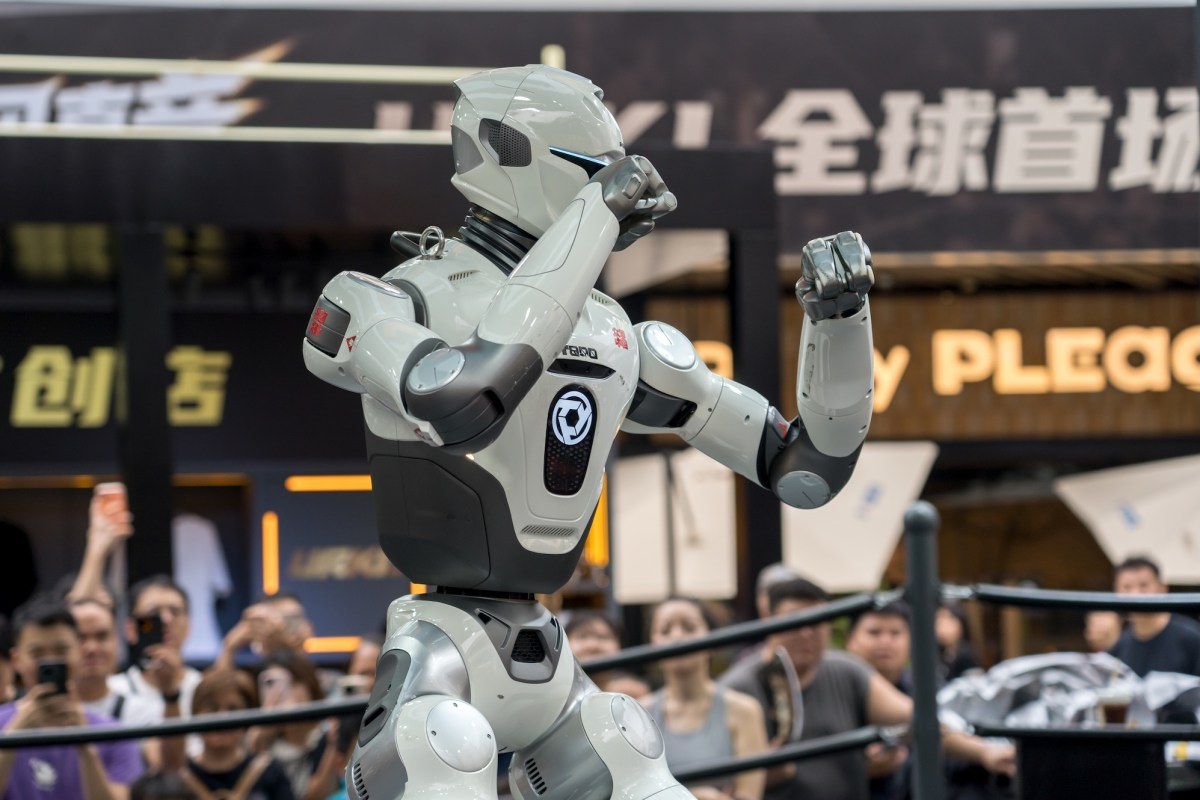
The Trump administration, in tandem with the Federal Communications Commission (FCC), is officially adopting a scorched-earth policy toward foreign hardware. A total ban has been imposed on the import of humanoid robots, quadruped platforms, and even solar panel inverters. As reported by TechCrunch, the FCC’s reasoning follows the standard script of the digital sovereignty era: risks of remote control, potential espionage, and the threat of cyberattacks. In our view, this security-centric rhetoric masks aggressive protectionism designed to forcibly shift American businesses onto domestic tracks.
China, which has effectively monopolized the affordable robotics segment, bears the brunt of this move. According to industry reports, two major Chinese firms accounted for the lion’s share of the 15,000 humanoid units shipped globally in 2025. Now, this entire infrastructure base has been declared illegal in the U.S.
Key risks and consequences of the ban
A total block on imports of Chinese-made anthropomorphic and quadruped robots. A freeze on current warehouse automation projects due to a shortage of affordable platforms. The requirement for an exhaustive audit of hardware components to identify foreign origins.
The FCC explicitly states that Beijing could compel manufacturers to monitor American users or engage in sabotage.
For U.S. companies, this creates a deadlock: either pay a massive premium for local solutions or suspend warehouse and logistics automation projects indefinitely. The regulatory steamroller has flattened not just software, but physical automation nodes. It is time for businesses to conduct a thorough inventory; every planned project involving robodogs or humanoid machines now requires a "birth certificate" check for its hardware.
If your automation roadmap relies on the imported units now caught in the crosshairs, your options are limited—find a domestic alternative or attempt to secure a waiver from the FCC. The timing is particularly pointed, coming ahead of Xi Jinping’s planned September visit to Washington, where technological barriers are set to dominate a far from friendly dialogue.