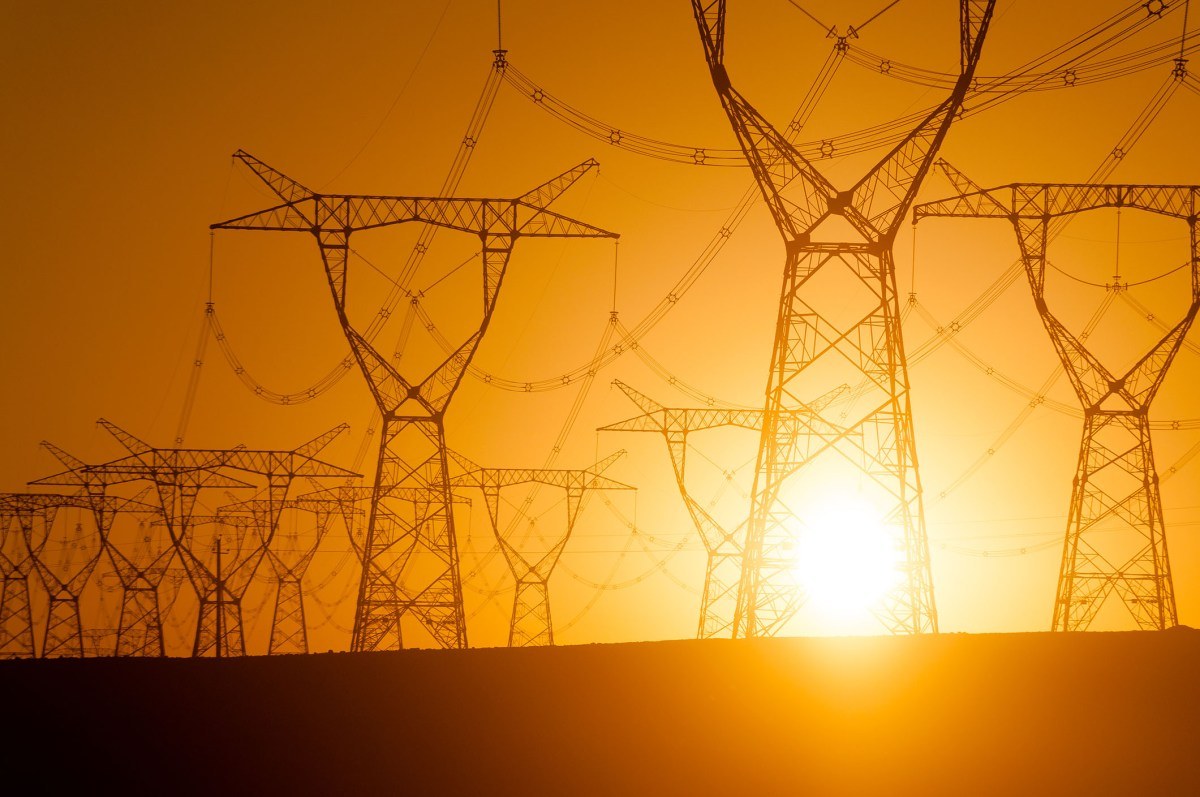
The era of unconditional power reliability for heavy computing has officially come to an end. PJM Interconnection, the largest grid operator in the United States—serving 67 million people from Virginia to Illinois—has confirmed that data centers will face mandatory shutdowns during energy shortages. A recent failure in the capacity auction for new generation proved that market mechanisms cannot keep pace with the voracious appetite of AI infrastructure. While developers continue to churn out new facilities, the operator is admitting defeat: the grid’s physical limits have been breached. Wholesale electricity prices have nearly doubled over the past year, and PJM’s independent market monitor is pointing the finger directly at data centers.
The Economics of Forced Downtime
Starting in June 2027, PJM will begin scaling back power supply for facilities consuming 50 MW or more. The largest computing clusters are now legally classified alongside industrial factories under demand response programs. This mandate requires operations to cease with notice ranging from 30 minutes to a couple of days. Although PJM promises compensation for these outages, the math is catastrophic for AI farm operators. A surge in Total Cost of Ownership (TCO) is inevitable: grid payouts will cover neither the losses from interrupted inference nor the colossal expenses required to spin up backup generation.
By 2035, data centers will consume four times more electricity than they do today, turning the current deficit into a chronic condition.
Attempting to save uptime with diesel generators leads to a regulatory and environmental dead end. While fuel is easy to store on-site, federal rules strictly limit runtimes: no more than 50 hours per year for demand response programs and up to 100 hours for emergencies. Given the current grid instability, these limits could be exhausted in weeks, resulting in a total business standstill. Furthermore, environmental litigation is becoming a reality; the case of Vantage Data Centers in Northern Virginia, where a 96 MW facility is accused of causing tens of millions of dollars in health-related damages to local residents, is just the first sign of trouble.
Geographical and Architectural Restructuring
This crisis is forcing a fundamental rethink of where computing power is located. If centralized U.S. grids cannot digest a fourfold load increase, the future of massive clusters lies outside traditional hubs. We are seeing the beginning of a migration toward regions with surplus generation or sovereign energy systems where uptime isn't subject to PJM’s emergency lists. Within the data centers themselves, the focus is shifting toward local inference and small models capable of operating under energy constraints.
Infrastructure giants promised us scalable AI backed by modernized grids. Instead, they have built a system where a 50 MW facility is viewed as "excess baggage" to be jettisoned at the first sign of peak load. We were promised 99.999% availability but were handed a schedule of forced blackouts. The technological stalemate is here: chip energy efficiency no longer matters when scaling hits the physical ceiling of transmission line capacity.