AI · This text was generated with artificial intelligence
The race to scale artificial intelligence has officially outgrown the boardroom and the semiconductor foundry. As compute clusters require staggering amounts of baseload power and raw acreage, the decisive bottleneck for frontier AI infrastructure has shifted from chip procurement to county zoning boards, environmental clearances, and overwhelmed regional utility grids. This physical reality is now driving top-tier venture capital directly into political trench warfare.
Targeted Ads in Key Battleground States
A newly formed advocacy initiative, Build American AI, is rolling out a multi-million-dollar advertising campaign across key battleground states including Kansas, Ohio, and Wisconsin. The campaign is engineered to sell local communities on the supposed economic windfall of hosting hyperscale data centers, directly confronting the growing grassroots and NIMBY resistance that has turned utility-scale compute into a volatile election issue.
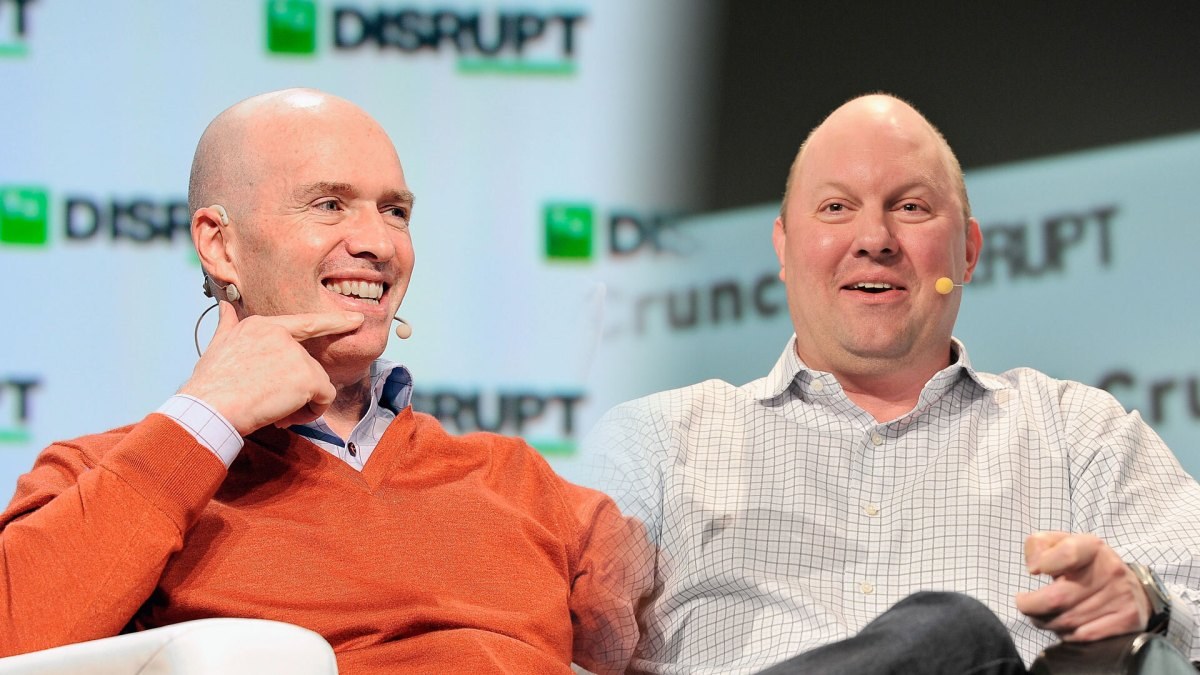
Build American AI operates under the umbrella of Leading the Future (LTF), a super PAC armed with more than $50 million in war-chest commitments. Financed primarily by venture capitalists Marc Andreessen and Ben Horowitz alongside OpenAI President Greg Brockman, the PAC has moved aggressively to reward candidates who clear regulatory paths for data center expansion while punishing politicians who question the industry's environmental footprint, according to Politico.
Silicon Valley Spending and Internal Industry Fractures
This flood of venture money into local and federal politics demonstrates that securing physical land and energy access is now an existential priority for tech capital. According to calculations by The New York Times, venture firm Andreessen Horowitz (a16z) has emerged as the largest single institutional donor this election cycle, deploying over $115 million in disclosed contributions—surpassing traditional megadonors like Elon Musk and George Soros across AI-aligned groups and pro-crypto vehicles like the Fairshake super PAC.
Yet this political offensive has exposed sharp strategic fractures within the AI frontier itself. While Anthropic funds public interest groups pushing for structured safety regulation, OpenAI pointedly distanced itself from Leading the Future after personal contributions from Greg Brockman and his wife Anna surfaced. The lab publicly rebuked aggressive astroturfing techniques designed to fabricate local consensus around hyperscale projects.
"Groups that are advocating on AI should be clear about their policy views, be honest about whom they represent, and not use tactics like astroturfing that obscure the real choices facing policymakers and the public."
OpenAI clarified that it exercises zero governance over LTF operations, warning that covert lobbying alienates municipal regulators and utility boards whose sign-offs determine whether next-generation clusters ever connect to the grid.
The Cost of Overcoming Local Resistance
For enterprise leadership, the takeaway is stark: compute scaling is no longer a purely financial or algorithmic challenge. AI roadmaps are now constrained by substation waitlists, local tax revolts, and grid capacity, proving that no amount of venture capital can bypass the physical friction of real-world infrastructure without an expensive political toll.