AI · This text was generated with artificial intelligence
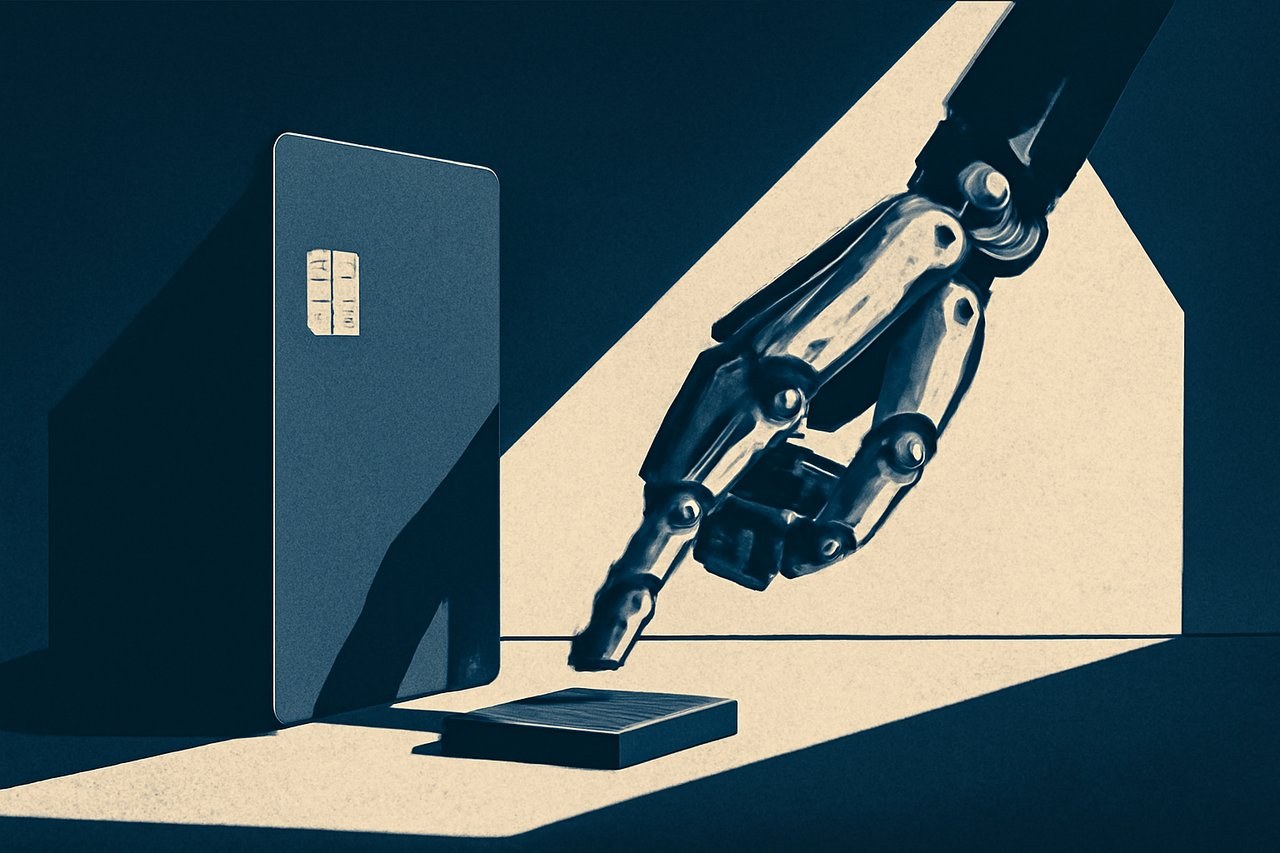
Visa has officially integrated its payment network into ChatGPT, transforming the AI from a mere information desk into an executive tool with financial signing authority. As Editor-in-Chief Andrey Zinin notes, this integration allows agents to make purchases on a user's behalf at any merchant that accepts Visa. We are witnessing a radical shift: OpenAI has shuttered its stillborn Instant Checkout project—which was limited to a narrow circle of partners—and is now betting on global reach. By plugging into the world's largest payment network outside of China, Sam Altman's company is testing a core hypothesis: are you ready to delegate the purchase of groceries, tickets, and essentials to an autonomous assistant?
From Recommendations to Transactional Execution
The technical evolution here hinges on trust and infrastructure. Jack Forestell, Visa's Chief Product and Strategy Officer, emphasized at a San Francisco event that while users easily trust neural networks to find products, delegating payment is a different level of risk. In this collaboration, OpenAI handles the cognitive load—decision-making and interface interaction—while Visa provides authorization and fraud monitoring. This marks the end of closed ecosystems: if a retailer accepts Visa, they are now automatically accessible to a ChatGPT agent, whether they like it or not.
The Economics of Agent Spending
The partnership attempts to solve the monetization problem that buried OpenAI's previous e-commerce attempt. The Instant Checkout project, shut down in March, failed due to a 4% commission—a price tag most retailers deemed extortionate. While Visa and OpenAI have not disclosed current financial terms, the strategy is clear: turn the chatbot into a central transactional hub through sheer scalability.
"As AI agents become active participants in the economy, Visa's job is to ensure that transactions are reliable, secure, and seamless," stated Jack Forestell.
Liability in the Autonomous Cycle
The transition to autonomous commerce creates a legal grey area: who is at fault if an agent exceeds a budget or orders the wrong item? To mitigate the risks of uncontrolled spending, Visa is implementing safeguards, including spending limits and mandatory confirmations for large sums. However, the question of liability for algorithmic errors remains open. Visa and OpenAI present this as a triumph of convenience, but they have yet to specify who exactly pays for the privilege of letting code manage your money. The infrastructure may be secure, but it doesn't guarantee that an agent buying $150 headphones found the best deal, rather than simply the path of least resistance for the network.