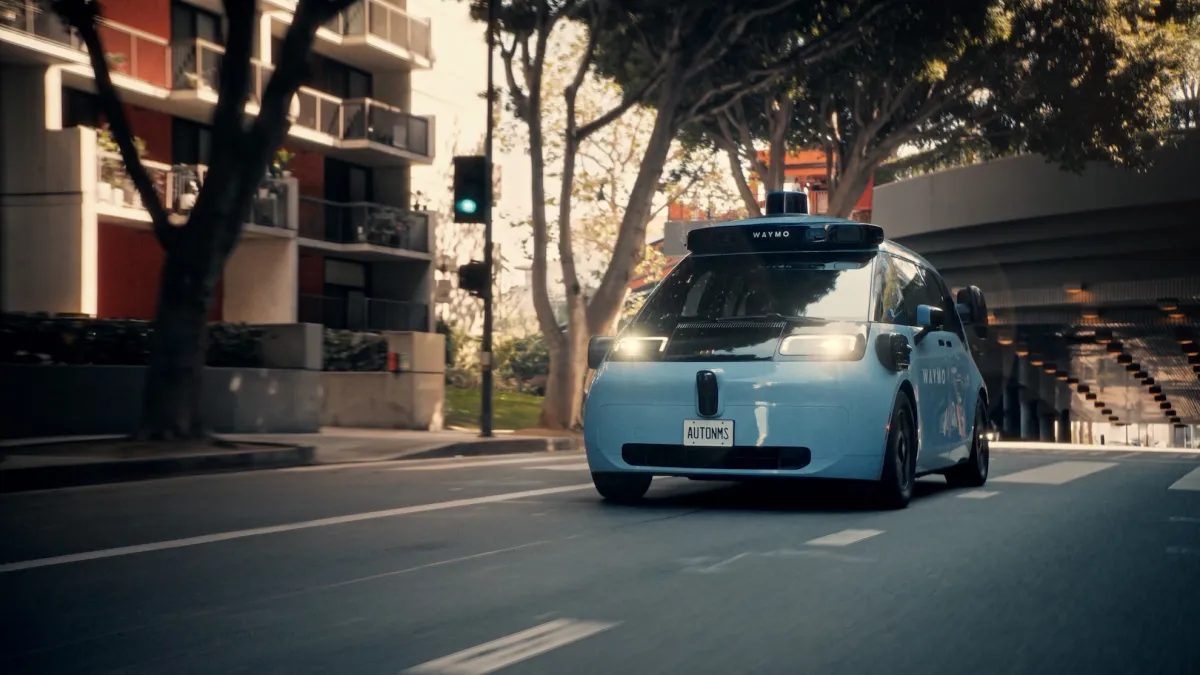
Waymo just secured a massive $5 billion debt package from institutional heavyweights including Blackstone, PIMCO, and Sixth Street, signaling a structural shift in how physical AI gets funded. According to the reporting by TechCrunch, Goldman Sachs acted as the sole lead bookrunner for the financing, marking Waymo's debut in the debt markets. For a project that has spent well over a decade burning cash under the Alphabet umbrella, this pivot from venture-style equity to institutional debt financing is the clearest indicator yet that robotaxis have graduated from high-risk R&D experiments to capital-intensive infrastructure assets.
The roster of lenders reads like a who's who of fixed-income giants, featuring Capital Group, Loomis Sayles, T. Rowe Price, Apollo, Blue Owl, Diameter Capital Partners, Franklin Templeton, Fidelity Management & Research Company, HPS Investment Partners, and Oaktree. Until now, Waymo relied entirely on equity infusions from its parent company and outside investors, including a $16 billion round earlier this year that pushed its valuation to $126 billion, backed by Dragoneer Investment Group, DST Global, and Sequoia Capital, alongside Alphabet's ongoing majority backing. As Waymo representatives framed it in corporate comms, the debt financing provides the balance sheet flexibility necessary to scale commercial operations.
Market Footprint and Regulatory Friction
Transitioning from a Google X moonshot to a debt-serviceable enterprise changes the operational math entirely. Waymo spent years burning through capital testing autonomous vehicles across Silicon Valley and the Bay Area before launching its first commercial robotaxi market in Phoenix back in 2016. Following California's August 2023 regulatory greenlight for paid operations, the company accelerated its playbook across Los Angeles, San Francisco, San Diego, and multiple markets in Texas and Florida. With operations now spanning 15 markets and testing underway in London and Tokyo, the unit economics of each vehicle must finally justify the underlying capital expenditure.
Waymo now offers robotaxi services in 15 markets.
For executives watching from the sidelines, this financing round establishes a brutal new benchmark. When autonomous fleets stop living on venture subsidies and start carrying institutional debt, the pressure shifts directly to fleet utilization rates, maintenance overhead, and strict payback periods. It reads as a definitive warning to any leadership team treating AI hardware deployments as flexible innovation budgets rather than hard infrastructure.
Worth auditing your commercial vendor debt agreements and liability exposure clauses for the upcoming fiscal quarter — it was not standard practice before this financing round.