AI · This text was generated with artificial intelligence
Commercial autonomous transit has decisively exited its sandbox phase. The long, painstaking years spent mapping individual municipal corridors and untangling local red tape are giving way to an aggressive multi-city network race. Alphabet's Waymo has now triggered commercial rollouts in Denver, San Diego, and Tampa, expanding its active footprint to 14 U.S. cities and signaling that autonomous fleet management is finally transitioning from experimental pilots to regional density plays.
Rolling Out Across 14 Cities
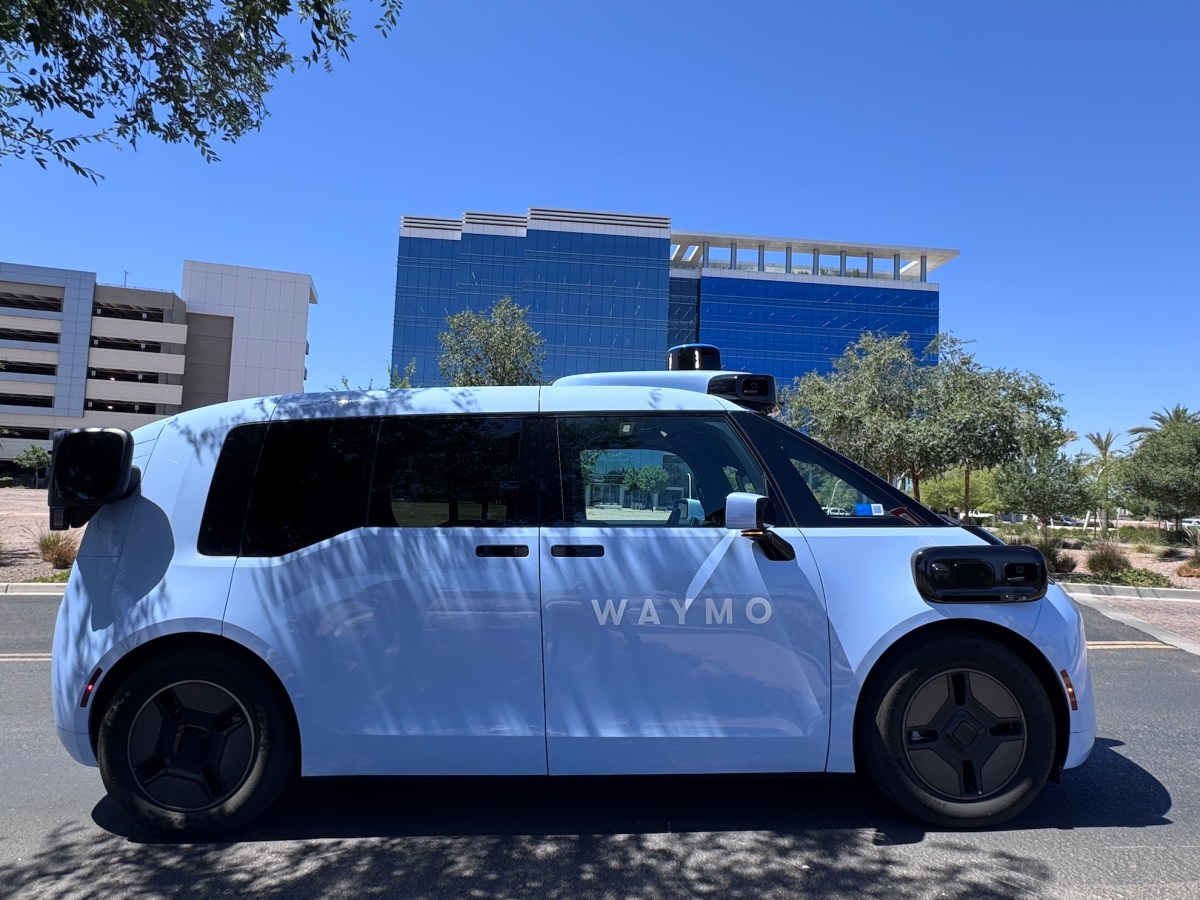
Waymo confirmed it is onboarding riders across Denver, San Diego, and Tampa on a phased basis, deploying its established playbook: mapping terrain, pulling safety drivers, running internal testing, and then opening waitlists to paying passengers. This triple expansion pushes Waymo's commercial fleet past 4,000 active vehicles nationwide, anchored by its retrofitted Jaguar I-Pace hatchbacks and incoming custom Ojai minivans.
The velocity of this rollout marks a stark operational departure from previous years. Building on its foundational Phoenix footprint, San Francisco permits secured in August 2023, Los Angeles expansion in 2024, and an Austin launch via Uber in March 2025, Waymo has aggressively activated Atlanta, Dallas, Houston, Miami, Nashville, Orlando, and San Antonio. The expansion curve shows no signs of slowing: the Nevada Transportation Authority recently granted unanimous approval for up to 1,000 driverless vehicles in Clark County over the next year, while early overseas foundations are being laid in London and Munich.
Fleet Economics and Competitive Pressure
The deployment of the Ojai minivan platform is not just a hardware refresh—it represents a deliberate structural assault on Waymo's per-mile operational expenditure. Driving down hardware and maintenance costs while maximizing fleet utilization rates is the only path toward breaking even against incumbent human-driven rideshare networks.
Yet the margin window is narrowing as competitive pressure mounts. Tesla is already running paid driverless Model Y rides across overlapping territories—including Austin, Dallas, Houston, Miami, Orlando, and Tampa—while racing to deploy its dedicated two-seater Cybercab. For enterprise operators and transport executives, the focal point is no longer whether autonomous driving works, but whether Waymo's sensor-heavy, higher-capacity fleet can achieve sustainable unit profitability across 14 fragmented regulatory environments before lower-cost, vision-only rivals saturate the same metropolitan corridors.