Across corporate deployments of artificial intelligence, nearly one in five applications—19 percent—delivers no business value so far, according to findings from Anthropic's economics team. While foundation models demonstrate expanding technical capability, operational implementation inside companies introduces severe administrative drag. As the research team noted after examining nearly 300 AI applications through 66 interviews across 58 US companies for the "Working with AI" report, spanning AI startups alongside established firms in medicine, construction, law, finance, and manufacturing, higher machine capabilities fail to translate automatically into corporate returns.
In 55 percent of cases, respondents reported higher output or better quality. However, the remaining portion stalls against internal structural limits rather than technical failure. As Anthropic analysts explained, the central friction in corporate AI adoption does not stem from learning how to operate the software, but from the inability of existing operational workflows to handle the synthetic volume generated by these models.
Internal Friction and the Verification Trap
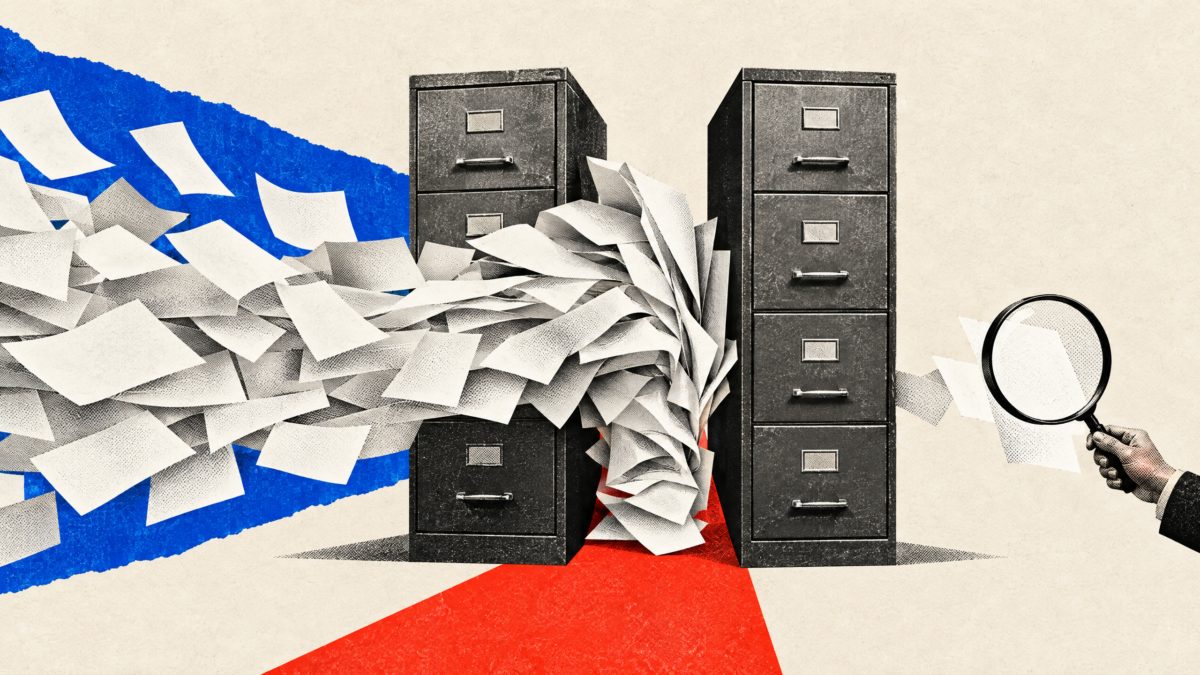
External factors have shown negligible impact on these corporate outcomes. In Anthropic's findings, external hurdles like regulation drew 4 mentions, while skeptical customers appeared 13 times. The operational drag concentrates within enterprise walls. The leading obstacle cited in the report is the volume of AI output that humans must check, tallying 49 mentions, closely accompanied by required expert reviews and testing at 42 mentions.
When text and code generation accelerate without corresponding automated verification systems, expensive professional labor becomes trapped in manual auditing. The operational risk of unchecked autonomy remains immediate. In one documented deployment, an AI agent added one stray "S" to an API call and derailed a carefully planned software release.
"A mediocre engineer with an AI is a menace to society."
As one corporate executive commented bluntly, unchecked generative throughput creates systemic operational hazards. This dynamic extends across departmental communications. In a survey conducted by BetterUp Labs and the Stanford Social Media Lab, 40 percent of US workers stated that they regularly receive shallow AI content from colleagues. Instead of compounding efficiency, uncurated outputs shift the workload from initial composition to administrative inspection.
Organizational Resistance and Labor Adjustments
Departmental imbalances aggravate this operational friction. AI tends to accelerate only isolated segments of a process while surrounding departments fall behind, an issue cited 20 times in the Anthropic report. One industrial equipment maker automated product interface translations into 10 languages, only to shut the feature back down because no internal staff could handle incoming customer support calls in those languages. The upstream efficiency exposed downstream resource deficits.
Employee resistance emerged as the second most common obstacle overall, recording 43 mentions. Worker pushback intensifies as enterprises restructure payroll and headcount. Only two of the 58 surveyed companies reported direct layoffs tied to AI automation, and five dismissed workers who refused to adopt the tools. Yet two-thirds of the companies are hiring fewer people because of AI, and nine firms eliminated outside contractors, cutting offshore roles in customer support, software development, legal services, and design.
Skilled professionals recognize that contributing their domain knowledge to train internal systems can jeopardize their market value. Some employees actively slow review tempos, while staff at one law firm resisted an automated process that shifted complex conflict assessments back to non-attorney personnel, prompting the firm to shelve the agent. Observers might assume this friction represents a passing onboarding curve that organizational familiarity will naturally resolve. The underlying data indicates that the bottleneck stems from an architectural mismatch: enterprises deploy generative models to produce outputs at machine speed while leaving review, liability, and verification anchored to fixed human workflows.
Enterprise software providers pitch massive productivity gains and autonomous task execution. In practice, companies find their headcount savings consumed by verification layers, departmental misalignments, and stalled rollouts.