Enterprise AI adoption has run headlong into an operational reality check: continuous model deployment is bleeding IT budgets dry. On Thursday, enterprise AI platform Writer unveiled its flagship Palmyra X6 model alongside an overhauled agentic execution harness—a direct bid to curb runaway inference bills. Fine-tuned via post-training on Z.ai's open-source GLM-5.2 architecture, the model targets enterprise production parity at a fraction of frontier API pricing. Writer estimates that pairing Palmyra X6 with its redesigned runtime harness slashes operational token expenses by up to 50% on routine enterprise workloads.
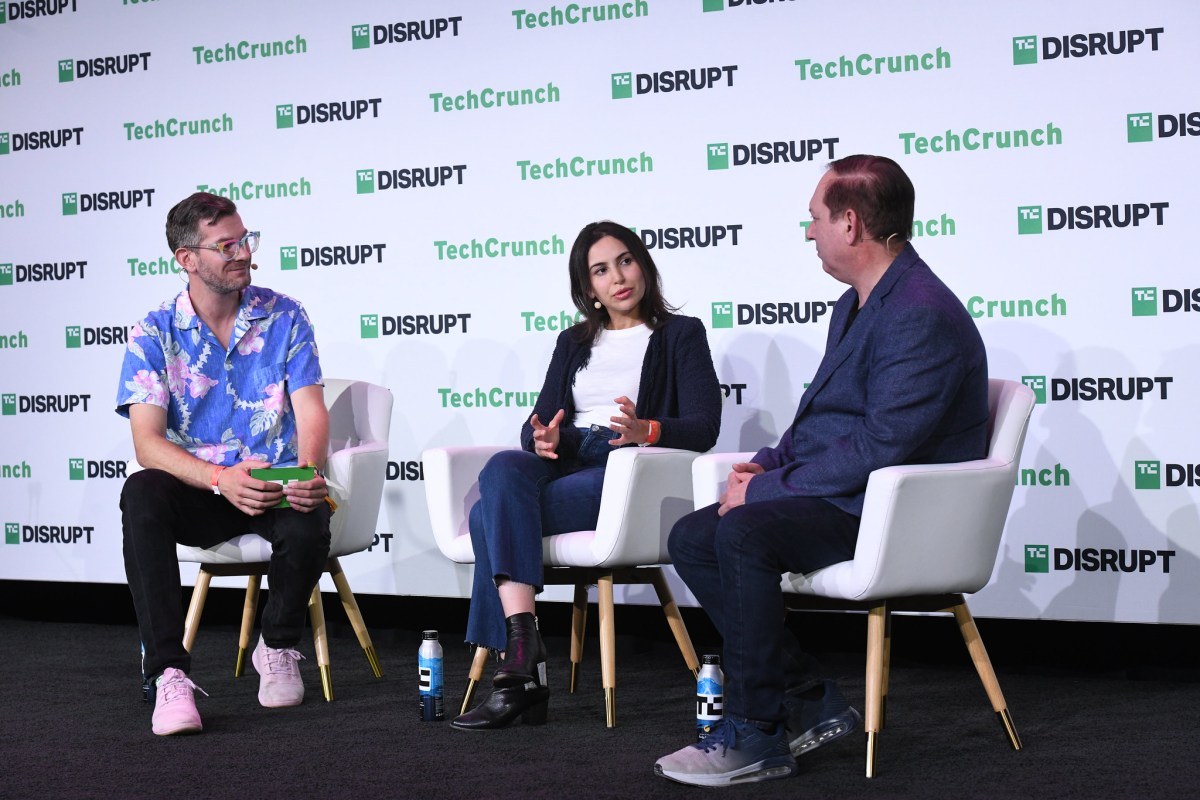
This tactical pivot reflects a growing rift between frontier AI vendors selling raw compute and enterprise buyers demanding predictable balance sheets. In an interview with TechCrunch, Writer CEO May Habib cut through the industry hype, pointing out that enterprise leadership has grown weary of vanity benchmark races.
"I think the enterprise is absolutely sick of chasing the next benchmark. They want flattening cost, and it seems like nobody can deliver that."
As Habib noted, the frontier AI labs remain structurally incentivized to maximize token consumption, not constrain it. For CIOs tasked with proving unit economics, relying blindly on closed frontier endpoints is rapidly becoming an unsustainable luxury.
Harness Efficiency as an Operational Lever
Writer's technical architecture relocates cost optimization from brute model replacement to granular runtime orchestration. Instead of merely swapping weights, the system focuses on post-training and task-routing efficiency—executing multi-step agentic workflows with lower aggregate token volume and tighter latency budgets. Company benchmarks show that methodical execution harness tuning acts as a far more predictable cost lever than endless model churn, delivering an average 40% operating expense reduction across standardized evals.
As Writer's research team highlighted, harness optimization serves as an architectural multiplier across enterprise stacks. Because the orchestration layer remains model-agnostic, organizations can run Palmyra X6 alongside endpoints on Amazon Bedrock or Azure without rewriting pipelines. While the broader industry remains fixated on parameter escalation, the economic center of gravity has clearly shifted: sustainable enterprise AI belongs to teams profiling workload overhead, routing calls pragmatically, and treating token burn as an engineering discipline rather than a cost of doing business.