AI · This text was generated with artificial intelligence
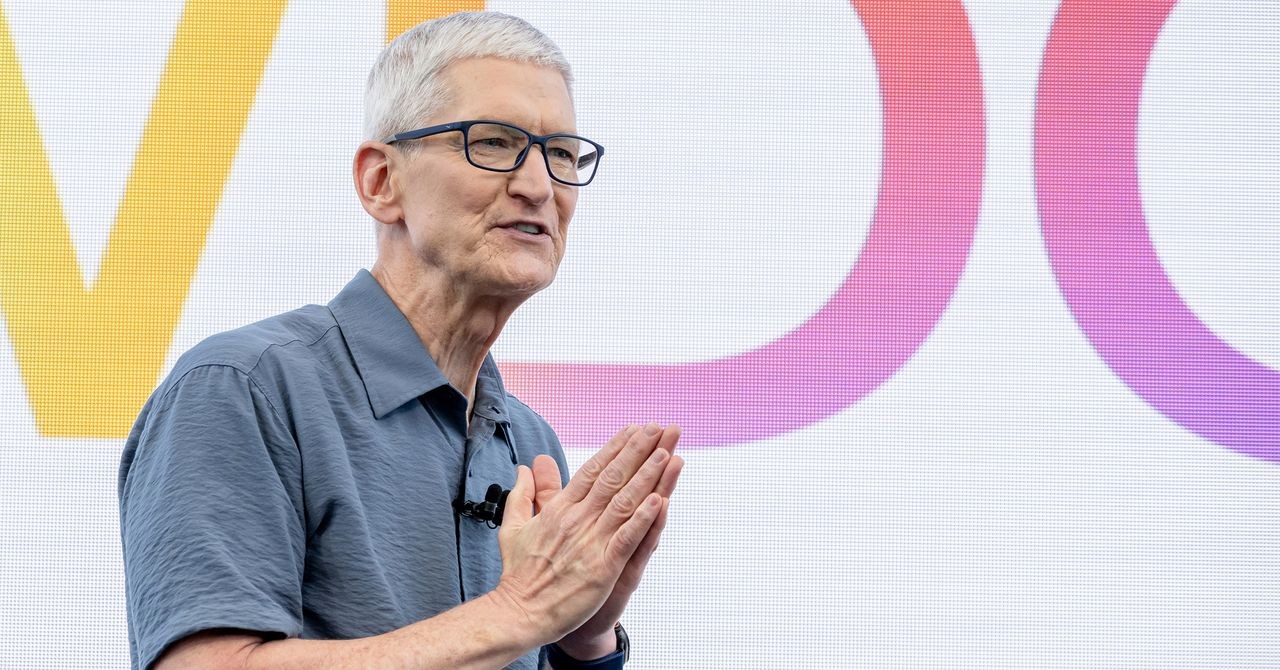
While competitors burn billions on server farm maintenance, Apple used WWDC 2026 to cement its status as the ultimate proprietary hardware player. Tim Cook continues to double down on Apple Intelligence, but it is no longer just a marketing label—it is now a systemic layer embedded into the core of iOS and macOS. The on-device AI strategy has been pushed to its logical extreme: instead of feeding third-party cloud APIs, Apple is offloading all computations onto its own Neural Engines. This isn't just about privacy; it is a calculated economic maneuver.
Key Pillars of the New Strategy
Shifting from cloud-based computing to local inference on Apple silicon. Transforming Siri from a search interface into a comprehensive AI agent. Utilizing AI as the primary driver for a global device refresh cycle. Building a closed ecosystem with total control over application software.
Siri has become the centerpiece of this transformation. Based on the presentation, the voice assistant has evolved from a "dumb layer" for web searches into a full-fledged agent with deep access to user context. Analysts suggest that integrating AI so deeply into the system infrastructure effectively guts the unit economics for many third-party LLM-based apps. Why pay for a separate chatbot subscription when the OS manages your data natively? Apple is turning AI into a utility available "out of the box," but with one major caveat: these features require the latest generation of chips.
Cook’s pragmatism is clear: Apple isn't selling model weights or tokens; it’s selling hardware upgrades. We are witnessing a classic forced refresh cycle.
Those hoping that the cloud would save older iPhones have been met with a cold reality—Apple is intentionally creating a computational divide. Here, AI serves not as an abstract technology, but as the main catalyst for upgrades, forcing both businesses and consumers to invest in new hardware to access basic productivity tools.
This approach radically shifts the playing field for developers. They must now optimize products for the specific constraints of Apple’s local execution models rather than the unlimited power of server clusters. Ultimately, the company isn't just updating software; it is building a closed loop where hardware dominance grants total control over the applied AI market.