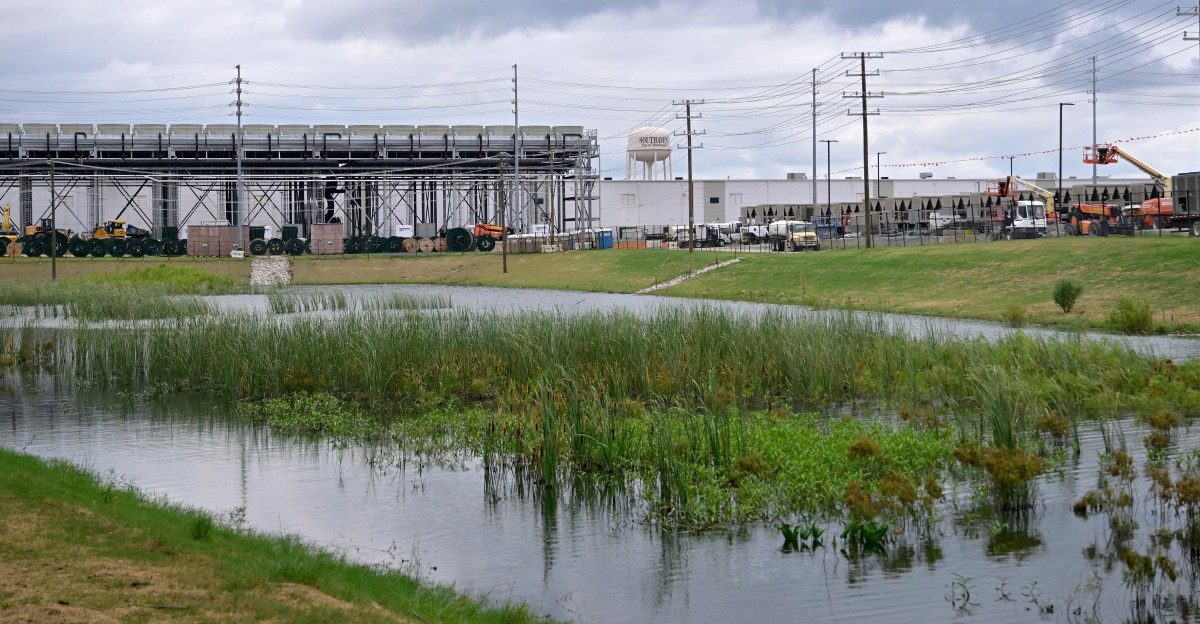
Real estate brokers going door-to-door in Southaven recently informed a local resident that xAI plans to acquire 418 homes, laying bare the severe physical and social friction generated by high-density artificial intelligence infrastructure projects. As operators scramble to secure power and land for massive computing clusters, the capital expenditure required to scale operations now extends far beyond silicon and electrical substations into residential real estate acquisitions. The financial strategy behind these buyouts reveals a direct effort by corporate subsidiaries to neutralize local legal challenges before operational friction translates into prohibitive capital losses.
A subsidiary of Elon Musk’s xAI is offering to acquire residential properties in a Mississippi neighborhood, conditioned on residents abstaining from joining a lawsuit targeting the company’s nearby data center and power plant. According to the disclosures, this maneuver answers how modern compute operators intend to absorb environmental liabilities: by tying property transactions directly to the wholesale suppression of active litigation. Rather than absorbing ongoing legal costs or retrofitting noisy infrastructure to meet environmental standards, the organization is deploying direct real estate capital to clear the legal perimeter around its facilities.
The Financial Mechanics of Real Estate Remediation
Corporate restructuring of local opposition relies on formal legal instruments distributed directly to property owners through real estate brokers. MZX, through its real estate broker, is offering to purchase real estate in Southaven in exchange for, among other things, a release of all claims related to the lawsuit. According to the purchase terms, if property owners accept MZX’s offer, they must sign a real estate contract agreeing to execute a separate release agreement at the closing of the transaction. By executing this release agreement, property owners discharge possible claims related to the Southaven Plant, including any claims connected with the Haley action.
MZX denies all of the allegations against it.
This legal containment strategy effectively locks out affected residents from recovering damages or seeking judicial relief. After executing the release agreement, property owners are unable to recover any damages or other relief from the Haley lawsuit, and they cannot bring claims on their own behalf. Meanwhile, the broader ecosystem of tenants inhabiting these targeted zones experiences immediate operational displacement. Renters in the area report they are already being forced out with 60 days’ notice after their landlords agreed to sell, demonstrating how corporate infrastructure projects externalize local housing pressures onto non-property holders.
Escalating Regulatory and Financial Liabilities
The neighborhood buyouts in Southaven unfold against a backdrop of intensifying regulatory pressure and multi-front legal challenges across multiple jurisdictions. xAI has scaled up its data center buildout over the past couple of years, constructing two sprawling Colossus facilities in Memphis, while bringing its Macrohardrr data center and an accompanying power plant to Southaven, located just over the Tennessee border. The rapid pace of deployment has triggered legislative friction, leading the Memphis City Council to vote down a one-year moratorium on AI data center development and instead adopt an ordinance pausing construction for 135 days.
These local measures compound existing financial exposure for the enterprise. After Mississippi’s governor touted the company’s plan to invest more than $20 billion in the area earlier this year, the company recently reported it is facing up to $6.1 million in potential civil penalties for environmental law violations, along with more than $220 million in claims of unpaid bills for work performed at the Memphis and Southaven sites. Concurrently, the National Association for the Advancement of Colored People (NAACP) is pursuing legal action accusing the company of operating dozens of unpermitted methane gas turbines in Southaven, a case that advanced after a federal judge blocked an attempt to dismiss the lawsuit earlier this month.
What doesn’t add up
A mandatory waiver of claims in the Haley lawsuit, embedded directly into MZX purchase agreements, turns real estate acquisition into an aggressive liability buffer for data infrastructure. Instead of soundproofing or upgrading the noisy Southaven power plant, capital is diverted to buy out property owners, creating immediate collateral damage for local tenants who face 60-day eviction notices without any claim to legal compensation. 418 homes targeted around Macrohardrr redefine the true capital expenditure of hyperscale AI from silicon and megawatts to the complete buyout of adjacent residential neighborhoods.