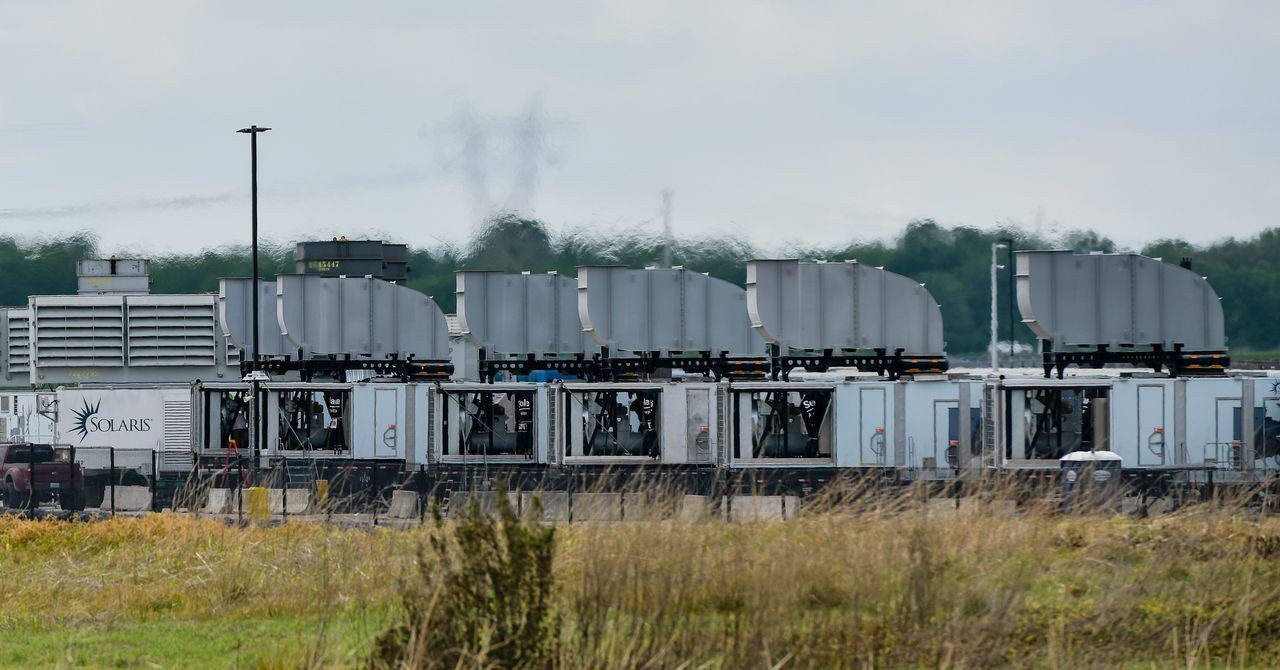
The legal battle surrounding xAI’s data center in Southaven, Mississippi, has officially transcended local environmental disputes to become a matter of national defense. This week, the U.S. Department of Justice (DOJ) intervened in a lawsuit filed by the NAACP against Elon Musk’s company regarding the use of uncertified gas turbines at the Colossus 2 facility. The DOJ’s argument is blunt: any attempt to shut down these turbines directly threatens America's economic and energy security. Effectively, the DOJ is establishing a "supra-legal" shield where military necessity can override municipal and environmental barriers.
National Defense as a Regulatory Bypass
At the heart of the conflict is the aggressive scaling of Colossus 2, where xAI predictably prioritized speed over regulatory compliance. While the NAACP alleges violations of the Clean Air Act and increased risks of heart disease for local residents, the federal government is viewing the situation through a tactical lens. According to a DOJ memorandum, Grok is one of four select AI models supporting critical operations on classified networks. Cameron Stanley, the Pentagon’s Chief Digital and AI Officer, confirmed in a declaration that the military utilizes the "Grok Gov" model for live combat missions.
Forcibly shutting down the gas turbines powering Colossus 2 poses a direct threat to current national security interests.
This utility is far from theoretical: Stanley confirmed the model has already been deployed during recent strikes on targets in Iran. For businesses and investors, the signal is clear: the "defense asset" label has become a universal neutralizer against local resistance. If your data center helps guide missiles, concerns about air quality in the neighboring district fall to the bottom of the priority list.
The Economics of Unauthorized Growth
Musk’s strategy at xAI appears to be a mathematically calculated bet on forgiveness in exchange for strategic momentum. Data from the Southern Environmental Law Center (SELC) shows that xAI expanded capacity even while litigation was active. In April, the NAACP recorded 27 turbines operating without permits; by mid-May, that number jumped to 57. This surge led to a 111% increase in nitrogen oxide emissions and an 88% rise in formaldehyde, highlighting a preference for compute power over ecological metrics. Even if Mississippi and Tennessee authorities challenge these grace periods, federal intervention makes it clear that "mission-critical" status outweighs environmental regulations.
A Blueprint for Tech Giants in Resource Disputes
The xAI case will inevitably serve as a playbook for Microsoft, Google, and other players in future conflicts over power and water consumption. The ability to link commercial AI clusters to classified defense contracts provides massive leverage against municipal restrictions. The DOJ’s argument—that limiting power for innovation harms the military—elevates AI infrastructure into the category of untouchable assets. The industry has learned a lesson: integration with defense contracts is the best insurance policy against environmental activism and legal overhead.
Executives and strategists should re-evaluate their infrastructure partnership portfolios. It is critical to identify vendors holding Gov-model certifications or access to classified networks. In an era of energy scarcity, these specific facilities are shielded from regulatory pressure and forced shutdowns, unlike purely commercial sites.