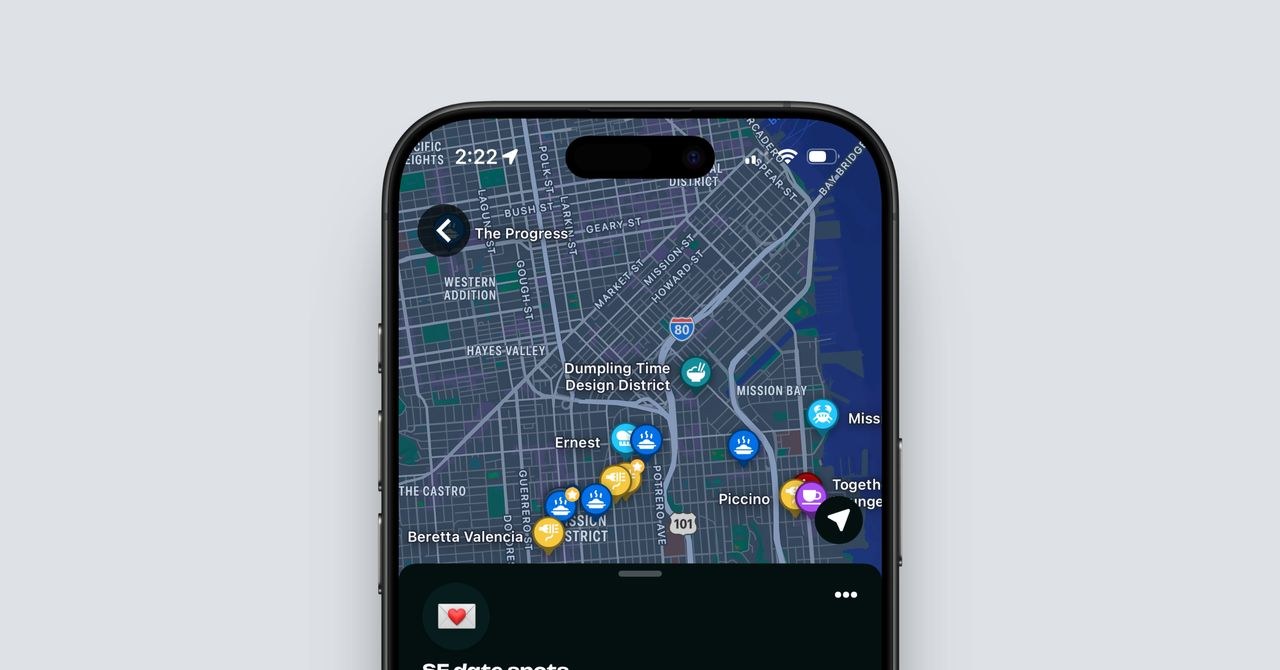
The era of the user review as the 'gold standard' for discovery is ending, giving way to an indisputable signal: the credit card transaction. Zest Maps, a new iOS application, is positioning itself as the successor to Foursquare by automating social capital through the passive analysis of financial data. While Yelp and Google Maps exploit manual labor—forcing you to write text and upload photos—Zest founder Mario Gomez-Hall has built a system that pulls your visit history via the financial service Plaid to generate a personalized recommendation map.
The logic is devastatingly simple: a verified payment is a far more reliable marker for AI than a subjective, and often sponsored, online review. This shift toward vertical AI filters out urban noise by focusing on actual consumption rather than performative check-ins. As Gomez-Hall explains, the algorithm aggregates transactions to highlight trending spots and friends' visits. Crucially, the system intentionally ignores daily trips to the same local pizzeria or routine stops at fast-food chains to avoid cluttering the feed.
Adding to the intrigue is the involvement of Dennis Crowley, co-founder of Foursquare, who is already testing the beta. For the FoodTech industry, the value proposition is clear: Zest eliminates the '30-minute paradox' of scrolling through conflicting reviews, offering a high-precision feed where you only see places your social circle has voted for with their wallets.
Privacy remains the primary hurdle, as the app requires direct access to bank accounts. Gomez-Hall attempts to deflect user anxiety with a touch of irony, telling WIRED that Zest only analyzes receipts from restaurants and bars: "We don't see your OnlyFans subscription." Nevertheless, infrastructure dependence on iOS and the need for high data density in major cities currently limit expansion. However, the model itself is telling—it marks a move away from 'super-apps' toward niche networks where your bank statement becomes the most honest social graph.
Your financial data is the final frontier of personalization. Zest Maps is betting that convenience will outweigh paranoia. This is a fundamental shift from the 'attention economy,' where you had to curate a lifestyle through reviews, to a data-driven reality where your balance sheet speaks for you. If the platform scales, the traditional review industry will face an existential threat from the quiet, automated precision of the banking log.