AI · This text was generated with artificial intelligence
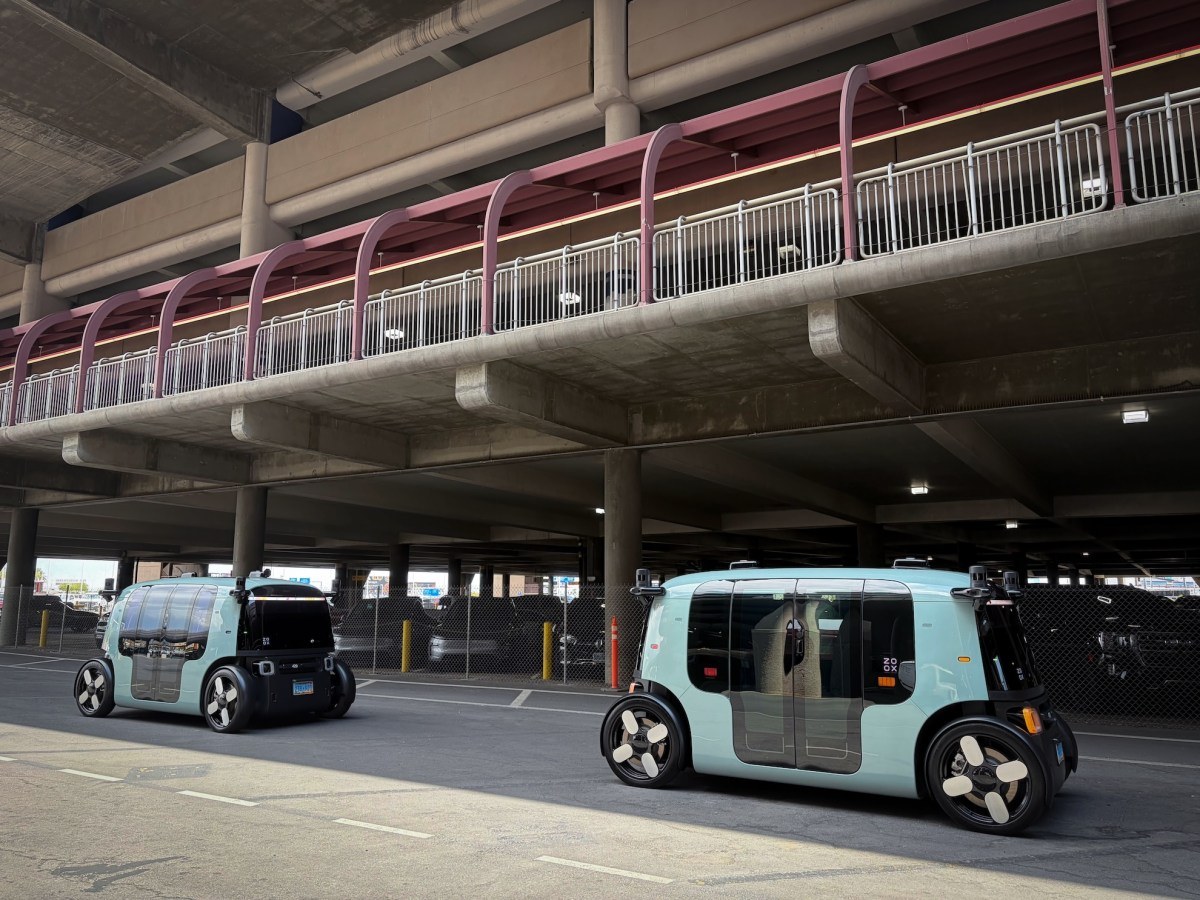
Silicon Valley-based Zoox spent over a decade engineering a custom, bidirectional robotaxi built without traditional controls like steering wheels and pedals. While the Amazon-owned autonomous unit has ferried passengers in Las Vegas for a year, regulatory caps kept it from monetizing high-density routes. That constraint evaporated after federal safety regulators granted Zoox a temporary two-year exemption covering eight Federal Motor Vehicle Safety Standards (FMVSS).
Airport Hub Integration and Fleet Expansion
The exemption allows Zoox to deploy up to 2,500 purpose-built autonomous vehicles annually, bypassing standard vehicle architecture mandates such as conventional defrosting configurations and mechanical brake pedal linkages. With regulatory clearance secured, Zoox began billing passengers on August 10 and published its operational safety framework.
Zoox extended its commercial robotaxi service to include rides to and from Harry Reid International Airport, picking up and dropping off riders near baggage claim at both terminals.
Securing direct terminal curb access near baggage claim gives Zoox an immediate logistical advantage over traditional ride-hailing incumbents like Uber and Lyft, whose passengers still hike to designated garage pickup zones. Concurrently, Zoox is preparing geographic expansion, preparing test runs in San Diego and Houston to stress-test its platform in diverse operational design domains.
Regional Market Competition in Clark County
While Zoox currently enjoys a monopoly on autonomous airport runs in Las Vegas, the regulatory moat will face pressure. The Nevada Transportation Authority recently issued commercial deployment permits to Waymo, Tesla, and Uber across Clark County.
Uber intends to balance captive fleet competition with aggregation, partnering locally with both Zoox and Hyundai-backed Motional. For enterprise strategists, Zoox’s airport rollout proves that bespoke vehicle architectures can clear federal hurdles; the battle now shifts from permit procurement to unit economics, terminal throughput, and fleet utilization on high-margin transit corridors.