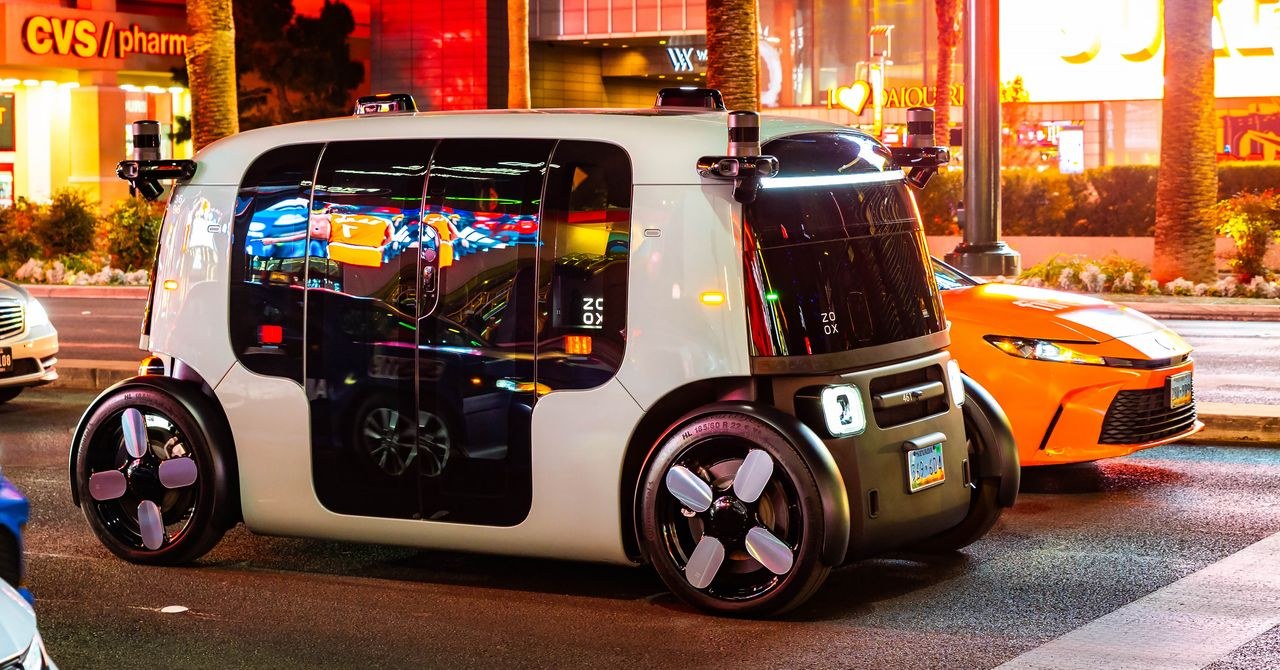
The U.S. National Highway Traffic Safety Administration (NHTSA) has finally taken a step toward common sense, granting Amazon’s subsidiary, Zoox, a historic permit. The startup can now officially charge for rides in autonomous vehicles that lack steering wheels and pedals entirely. While Google’s Waymo continues to play it safe by retrofitting production SUVs with "human" controls, Zoox is legitimizing a radically different interior layout. This is more than a fleet update; it is a fundamental shift in the economics of Mobility-as-a-Service. Regulators have finally conceded that redundant, human-centric safety systems are no longer a prerequisite for operating on public roads.
Key Takeaways from the Robotaxi Licensing
The company received a two-year quota to operate a fleet of up to 5,000 vehicles. The license confirms that Zoox’s purpose-built tech meets or exceeds traditional safety standards. Commercial rides will become available to the general public following the completion of internal testing.
"Zoox has demonstrated that its technology exceeds safety standards for traditional vehicles," noted NHTSA Administrator Jonathan Morrison.
Zoox’s business case currently looks more convincing than Elon Musk’s unfulfilled promises. While Tesla’s Cybercab remains stuck in the conceptual testing phase with no clear certification timeline, Zoox has already secured a two-year quota for up to 5,000 robotaxis. The famous "campfire" seating arrangement, where passengers face one another, has evolved from a designer’s fantasy into a licensed commercial product. A track record of 3 million miles and 500,000 passengers served provided the necessary leverage to convince officials to trust "purebred" AI that offers no possibility of physical human intervention.
Of course, the road to scaling will not be paved with rose petals. A recent voluntary recall to refine safety standards serves as a reminder that regulators will keep Zoox on a short leash. However, the precedent is set: the transition from a decade of engineering research to industrial fleet management has begun. The only question now is how quickly competitors can adapt to a reality where the steering wheel is officially a relic of the past. The pace at which Zoox exhausts its 5,000-unit quota will reveal whether the market is truly ready for full autonomy or if the old school—with its mechanical overrides—will still fight for investors' wallets.